
Kaught Field Notes
Know what you're looking at.
Seasonal
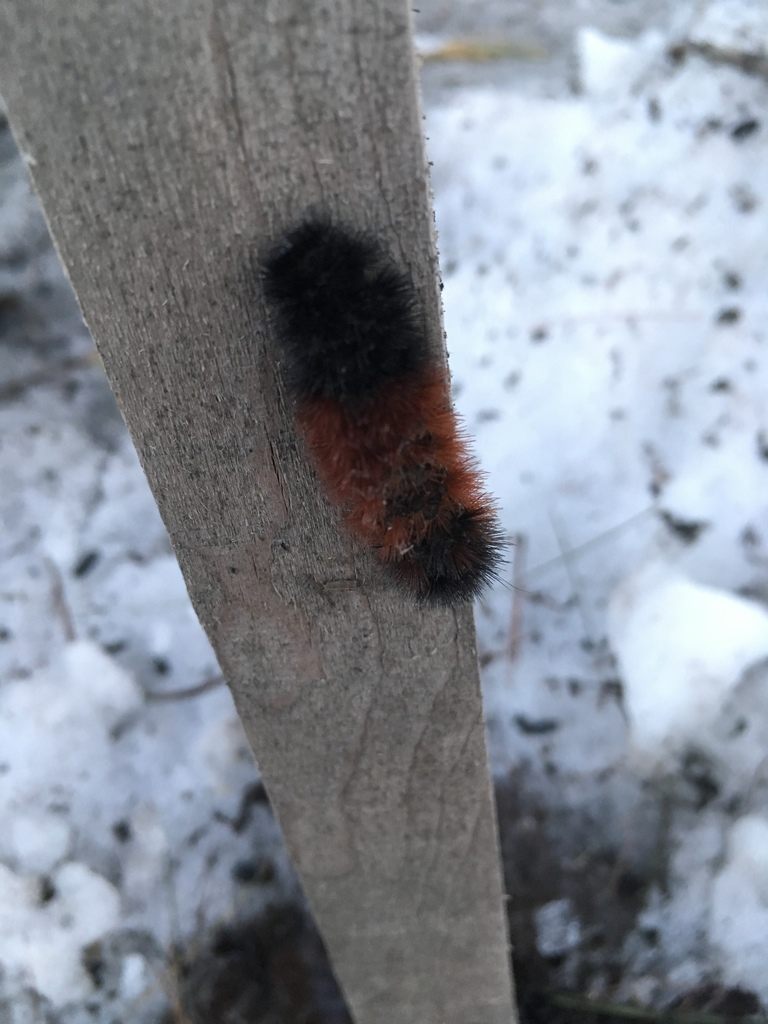
Does the Woolly Bear Caterpillar Predict Winter?
The folklore says a wide orange band means a mild winter. That traces to a single 1948 study of 15 caterpillars. What is real: it survives by freezing solid, protected by its own antifreeze. Common tier.
Read more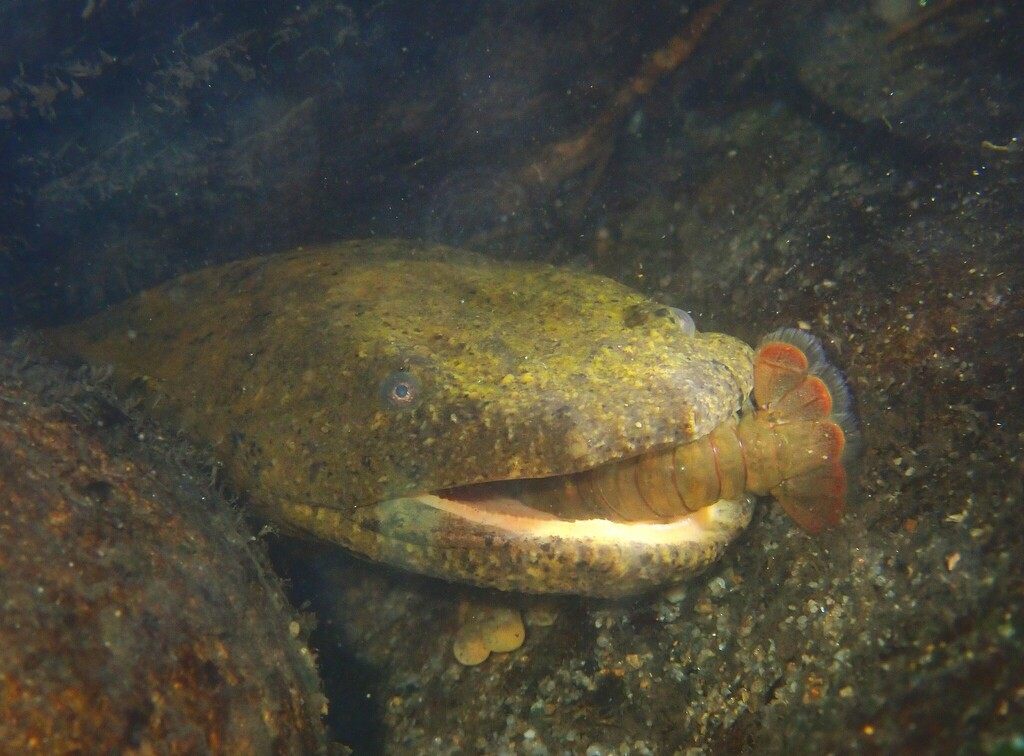
Adaptation explainer
Hellbender: How It Breathes Through Its Skin
North America's largest salamander barely uses its lungs. Wrinkled skin folds packed with capillaries do almost all the work instead, and only cold, fast, oxygen-rich streams can supply enough. Rare tier.
Read more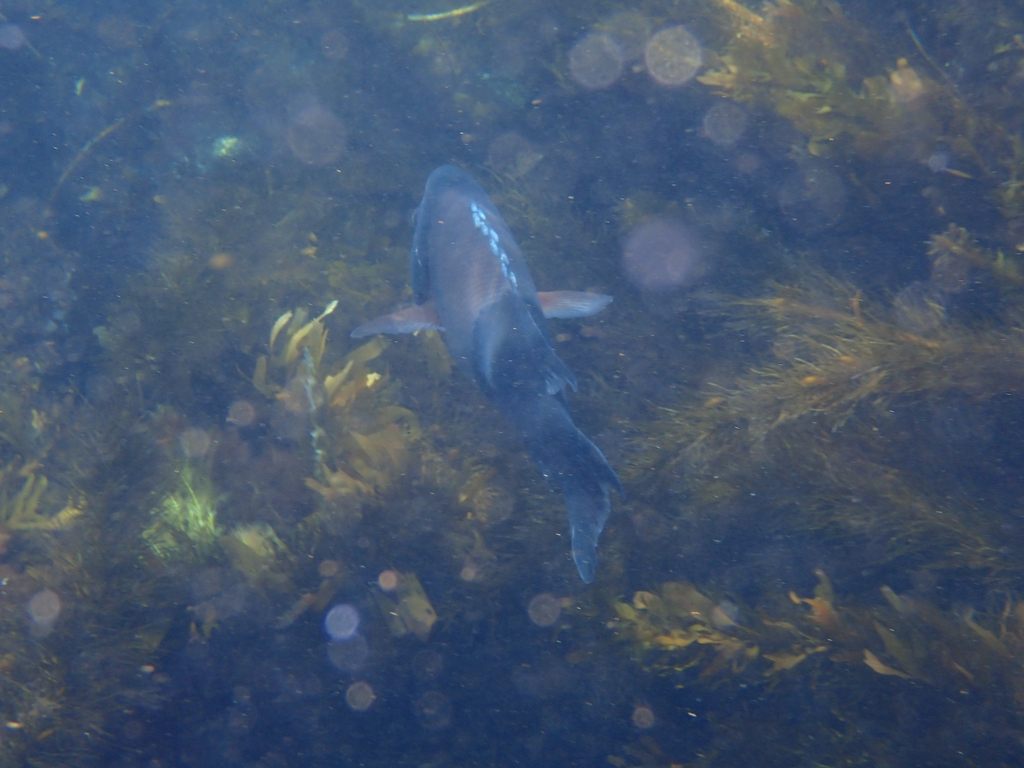
Evolution story
California Sheephead: The Fish That Changes Sex
Every California sheephead is born female. The largest fish in a group can switch to male in as little as five days, a permanent, one-way change that runs the opposite direction to a clownfish's. Epic tier.
Read more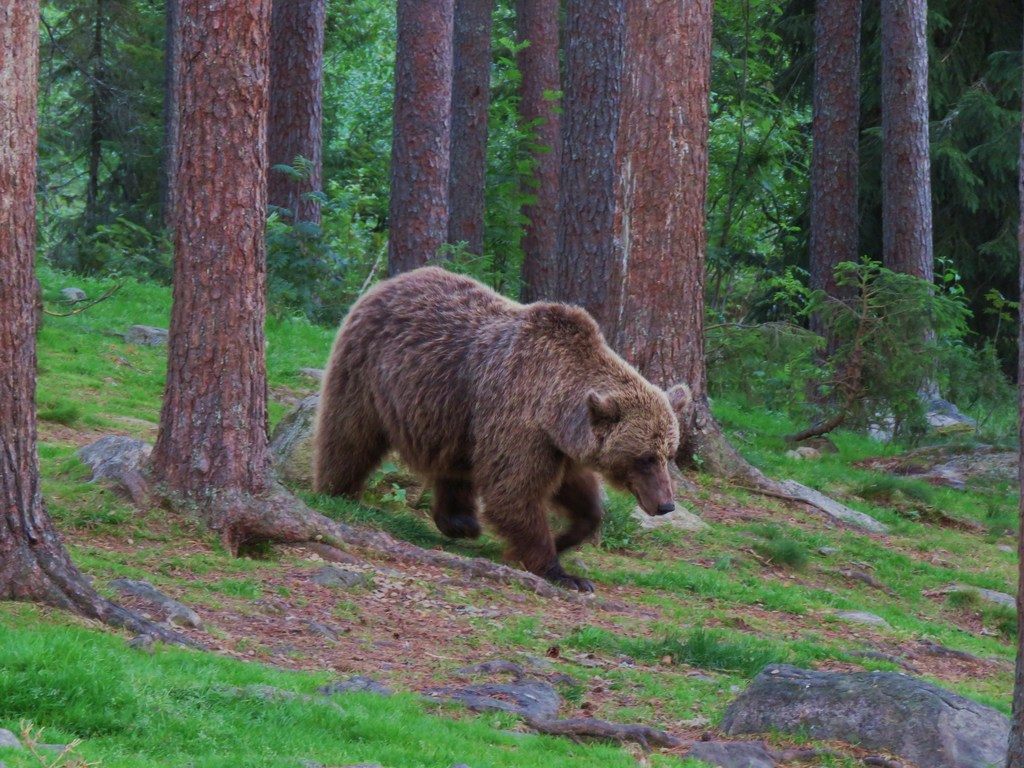
Record holders
Best Sense of Smell in the Animal Kingdom: 6 Ranked
A bear's nose thousands of times sharper than ours, an elephant with more smell genes than any mammal studied, a moth that finds a mate from kilometres away. Six real smell records, ranked.
Read more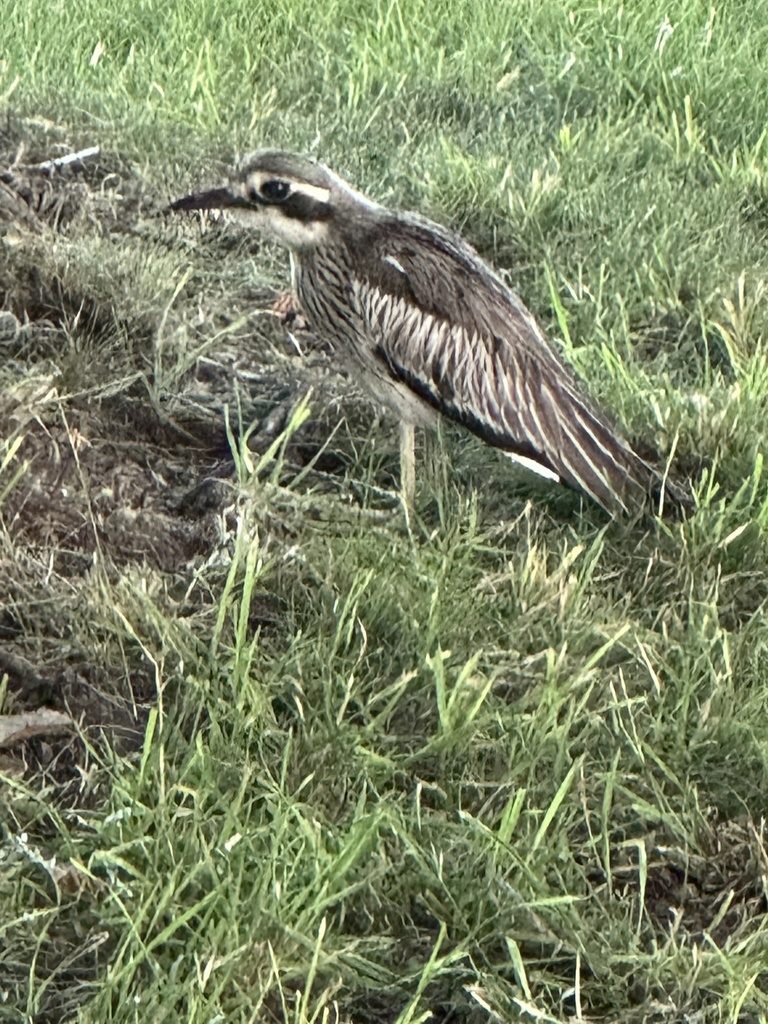
Exotic spotlight
Bush Stone-curlew: the Ground Bird Whose Scream Sounds Human
Its wailing night call is so close to a human scream it has fooled people into calling for help. How to identify it, where it lives, and why it freezes instead of flying. Epic tier.
Read more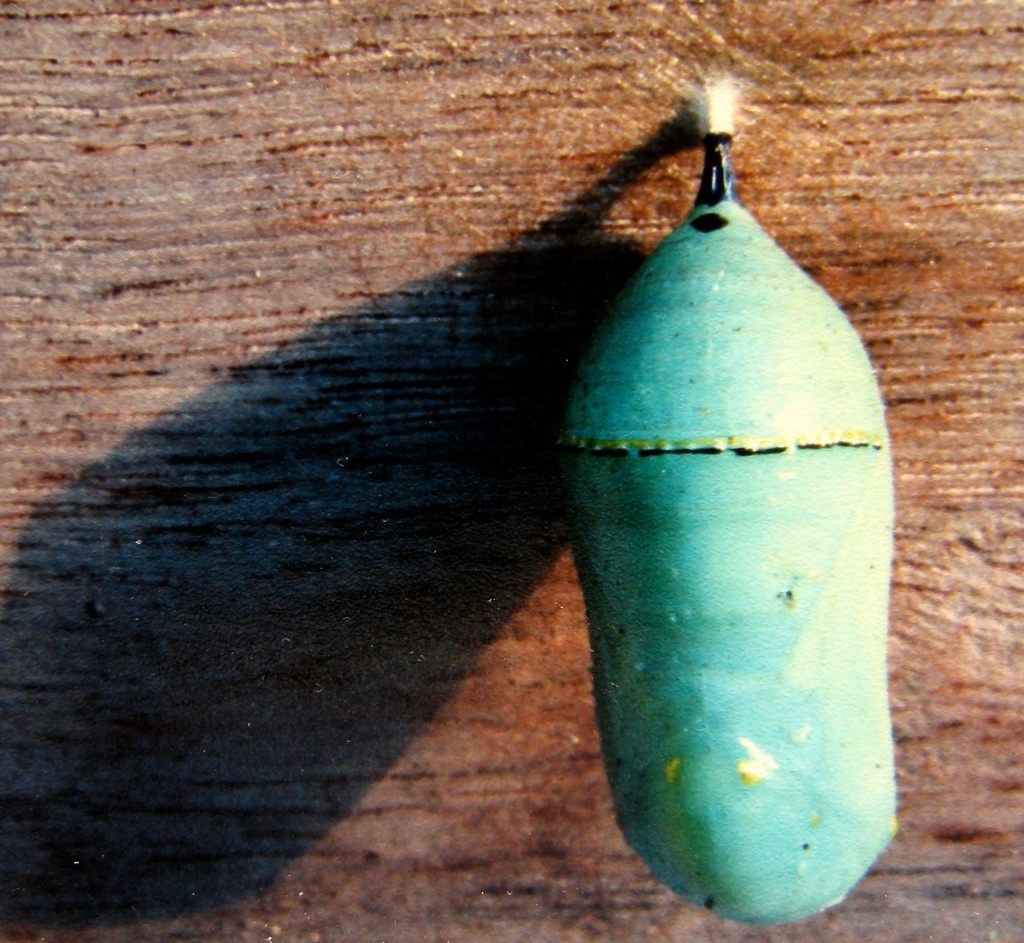
Behaviour explainer
Monarch Butterfly Migration: the Journey No Single Butterfly Finishes
Up to 3,000 miles, but no single monarch makes the round trip. How a four-generation relay, a nine-month "super generation" and a built-in sun compass pull it off. Common tier.
Read more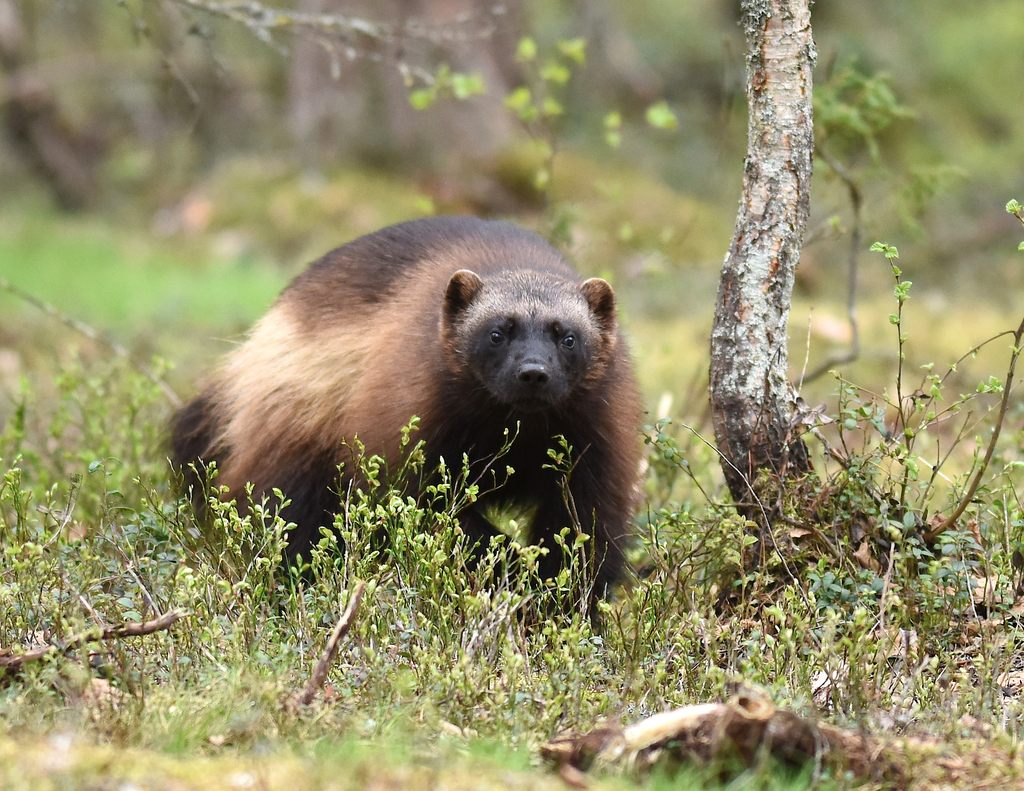
Adaptation explainer
Wolverine: How It Survives Earth's Harshest Winters
Frost-proof fur, paws built like snowshoes, and jaws that crush frozen bone. How the largest member of the weasel family gets through an Arctic winter. Common tier.
Read more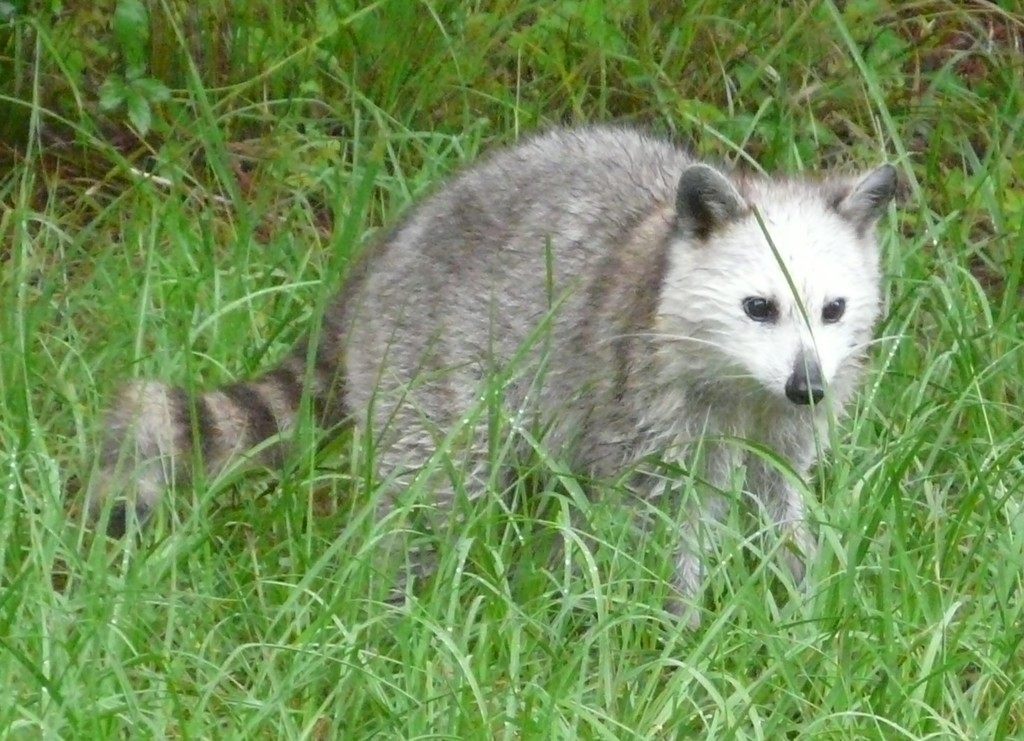
Species spotlight
Raccoon: ID, Habitat and Is It Dangerous?
A face mask, a ringed tail, and paws with more touch receptors than almost any other mammal. How to identify one, why it "washes" food, and how smart it really is. Common tier.
Read more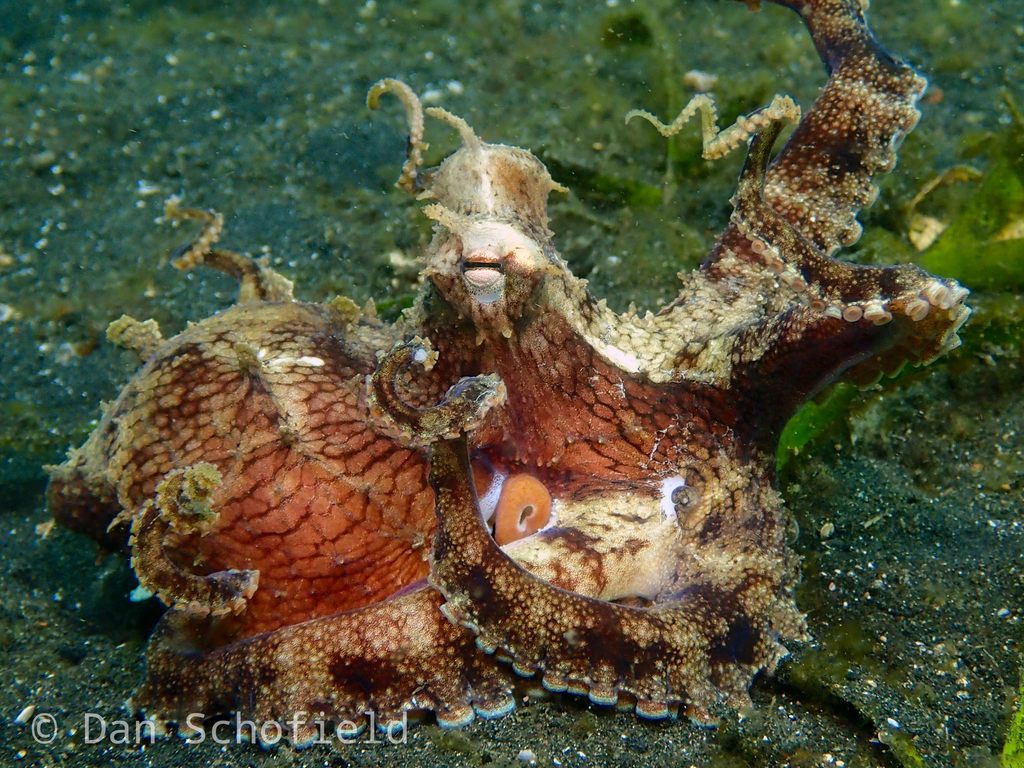
Behaviour explainer
Coconut Octopus: the Octopus That Carries Its Own Armor
Filmed hauling matched coconut shell halves across the seafloor to assemble into shelter later, one of the clearest cases of tool use ever recorded in an invertebrate. Rare tier.
Read more
Habitat & biome guide
Desert Animals: How They Survive Without Water
A camel that drinks 200 litres in 15 minutes, a rat that never drinks at all, a lizard that swims through sand. Six real Kaught species, six different ways to beat the desert.
Read more
Exotic spotlight
Common Rain Frog: the Frog That Screams
The viral "screaming frog" is real. A round, burrowing southern African species that inflates and squeals when grabbed, then spends most of the year sealed underground. Epic tier.
Read more
Record holders
Best Eyesight in the Animal Kingdom: 6 Ranked
An eagle that spots a hare from 3 km, a squid with dinner-plate eyes, a shrimp that sees colours we can't. Six real vision records, ranked by the job each eye actually evolved to do.
Read more
Behaviour explainer
Why Do Sea Otters Hold Hands?
Sea otters really do hold paws, mostly mothers and pups, so the current doesn't pull them apart while they sleep. The real biology behind the raft, the kelp anchor, and the rock they use as a tool.
Read more
Legendary spotlight
Changeable Hawk-Eagle: the raptor with a dozen looks
Its plumage runs from pale and streaked to almost black, and its range stretches from India to the Philippines, yet it hunts hidden in foliage, making a confirmed sighting genuinely rare. Legendary tier.
Read more
Field comparison
Alligator vs Crocodile: How to Tell Them Apart
The snout, the teeth, the colour, the salt water: four real field marks that separate an alligator from a crocodile, and the one Florida swamp where you can see both.
Read more
Adaptation explainer
Why Do Zebras Have Stripes? The Real Science
Not camouflage from lions. The leading evidence says a zebra's stripes evolved to scramble the polarised light biting flies use to find a host, and painted experiments prove it.
Read more
Adaptation explainer
Why do juvenile angelfish look nothing like the adults?
A juvenile blueface angelfish is black with white and sapphire-blue stripes, nothing like the blue-faced, yellow-finned adult. The real biological reason for the disguise, and why it works.
Read more
Superlative
Smallest animals in the world: 6 record-breaking species ranked
A shrew that weighs less than a two-pence coin. A gecko that floats instead of drowning in the rain. A salamander smaller than a coin, and a crab that lives out its whole life inside a mussel. Six real size records, ranked.
Read more
Identify safely
Black Widow Spider: the red mark that matters, and the bite myths that don't
Only the female's bite delivers a meaningful dose of venom, and even that is rarely fatal with modern treatment. How to identify the hourglass, tell her from a false widow, and separate the real risk from the myth.
Read more
Species spotlight
Vampire Bat Facts: the only mammal that lives entirely on blood
It finds a sleeping host with heat-sensing pits, delivers a bite so precise the animal rarely wakes, and shares its meal with hungry roost-mates if it comes home empty-handed.
Read more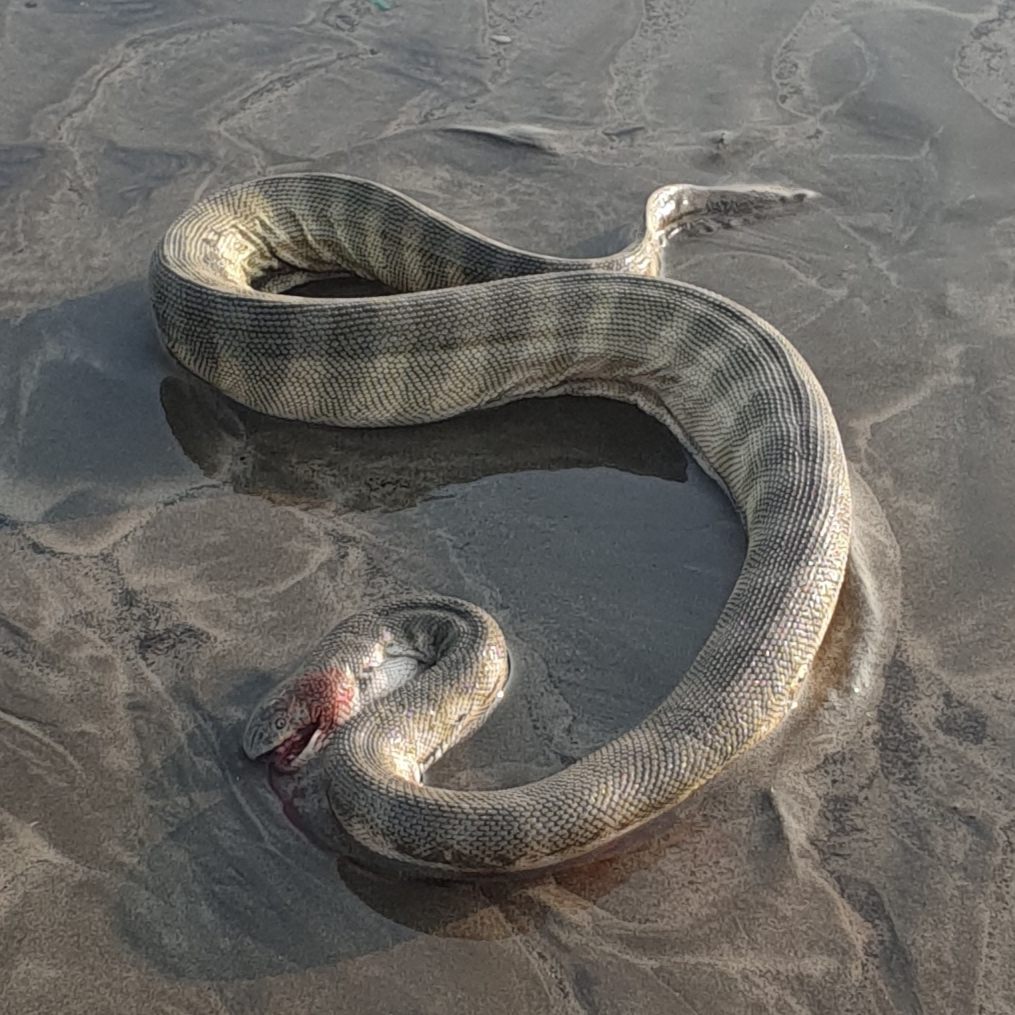
Identify safely
Beaked Sea Snake: the small-headed reptile behind most sea snake bites
It causes more than half of all recorded sea snake bites, yet it never chases anyone. Here's how to identify one, where it lives, and what to do if you're bitten.
Read more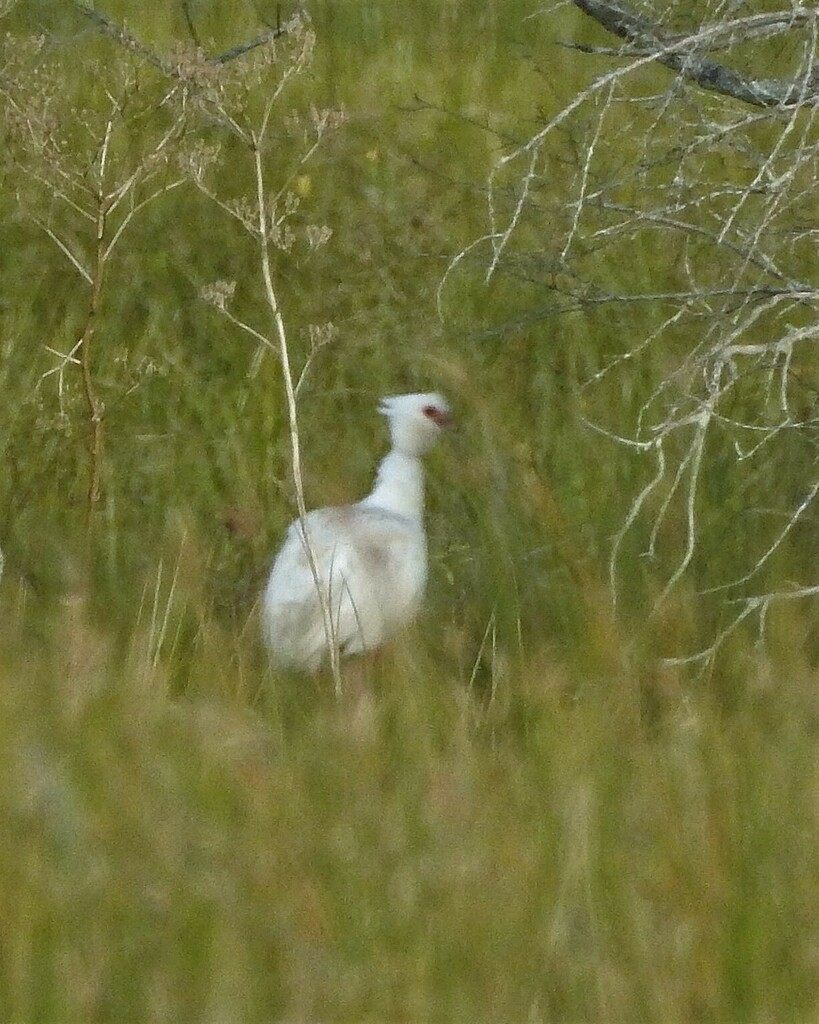
Exotic spotlight
Southern Screamer: the South American bird whose skin crackles like bubble wrap
Its skin is packed with air sacs that pop like bubble wrap, its wings carry bony spurs, and its call travels two kilometres. It also sits on the oldest branch of the entire waterfowl family tree.
Read more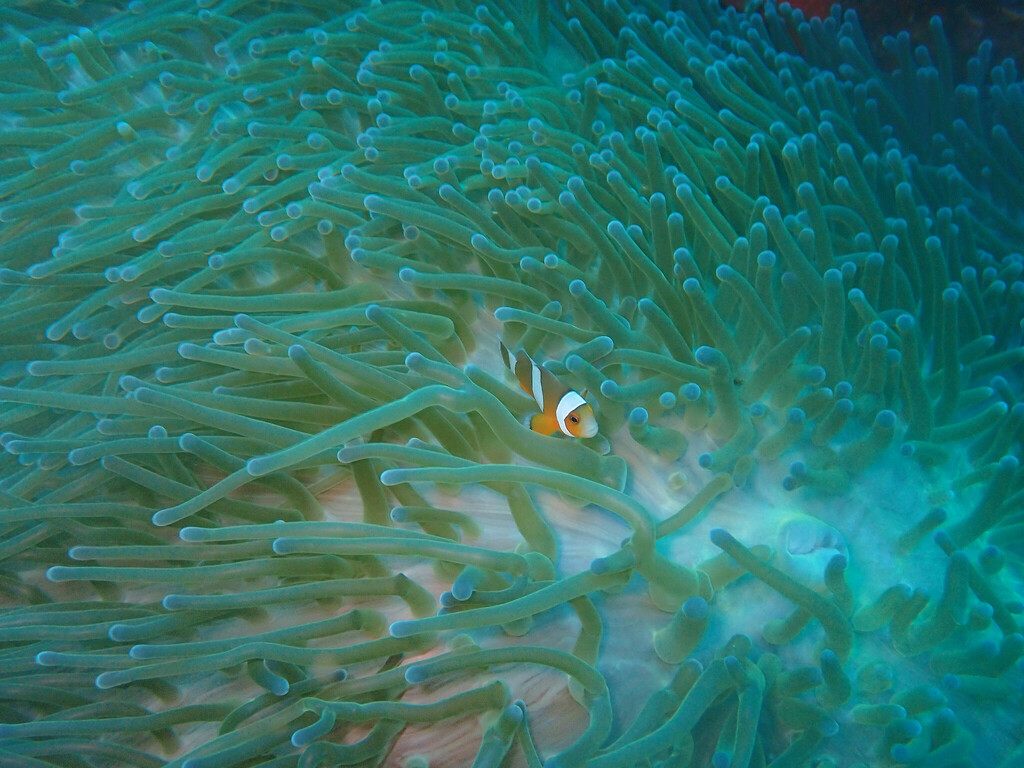
Evolution story
Why Do Clownfish Change Sex? The Real Biology
Every clownfish is born male. Inside a host anemone, only the biggest fish breeds as a female, and if she dies, the resident male changes sex to replace her, no reversing it afterward.
Read more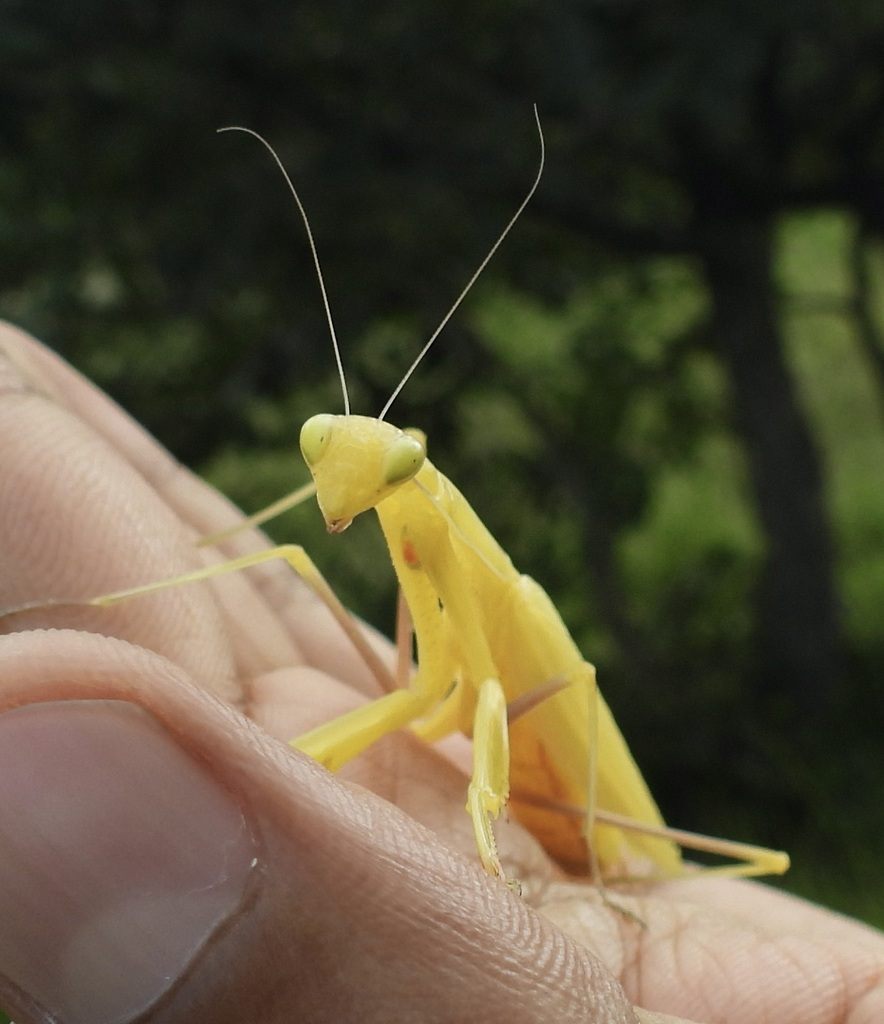
Behaviour explainer
Do Praying Mantises Eat Their Mates? The science behind the myth
Sexual cannibalism is real but not guaranteed, hunger is the biggest predictor. And when it does happen mid-mating, decapitation doesn't stop him: it removes a nerve brake, not the drive.
Read more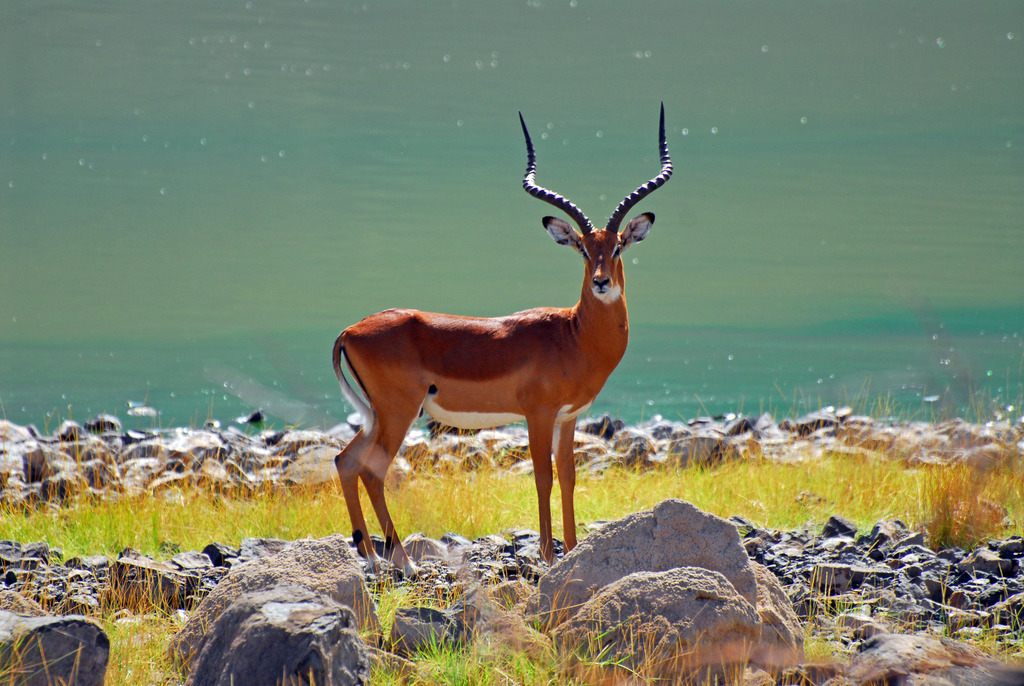
Record holders
Best Jumpers in the Animal Kingdom: 6 Ranked
An impala clears 3 metres high in a single bound. A desert rodent dodges a striking rattlesnake in a fraction of a second. And the real pound-for-pound champion is a 6 mm insect that beats the flea outright.
Read more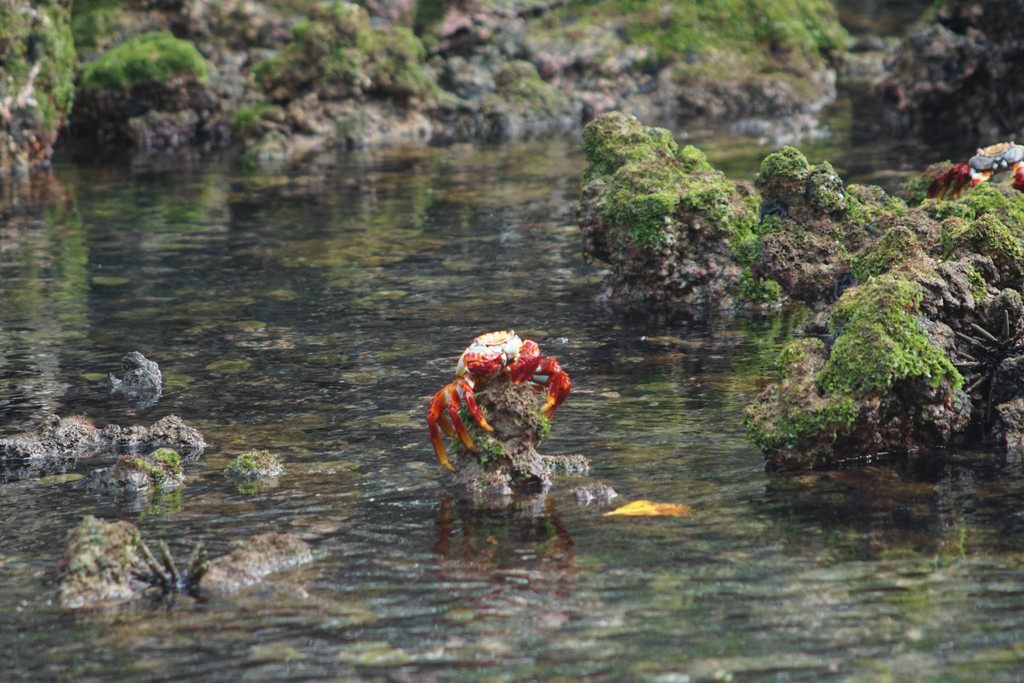
Species spotlight
Sally Lightfoot Crab: the rainbow-shelled crab that grooms iguanas and walks on water
Black as a juvenile, a mosaic of red, orange, blue and yellow as an adult. The Galápagos rock crab fast enough to outrun most predators, and one of the few animals that grooms marine iguanas for a living.
Read more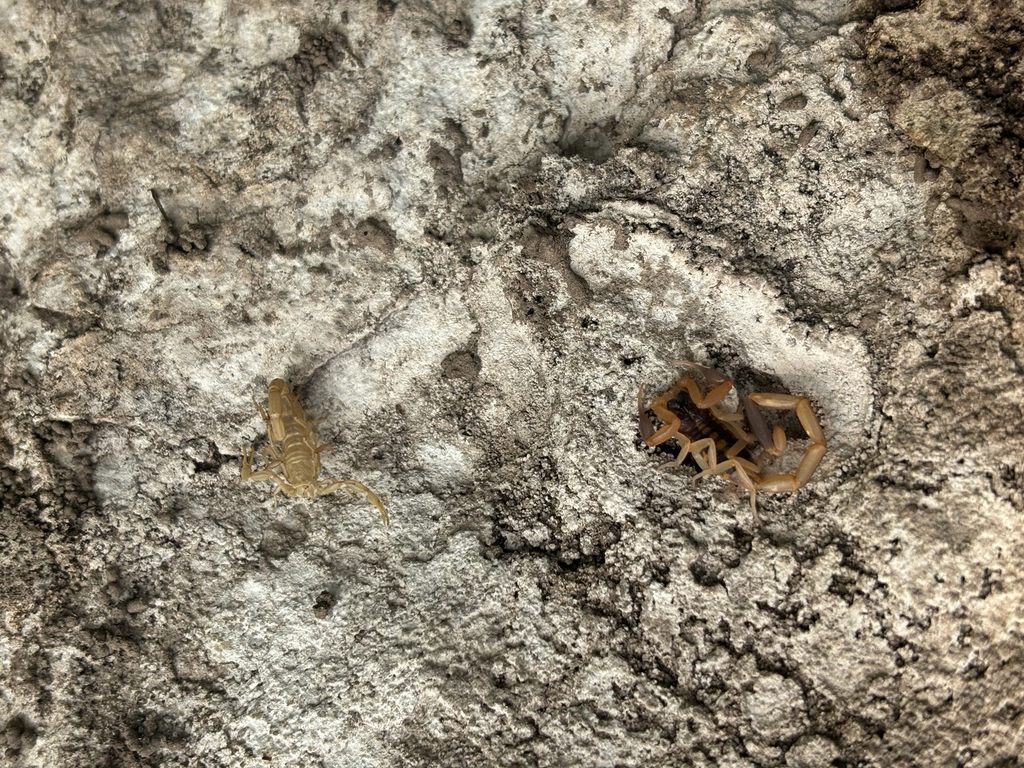
Adaptation explainer
Why do scorpions glow under UV light? Their exoskeleton doubles as a giant eye
Point a blacklight at the desert after dark and scorpions answer with a blue-green glow. The chemistry behind it, why fresh molts stay dark, and the leading theory for what it is actually for.
Read more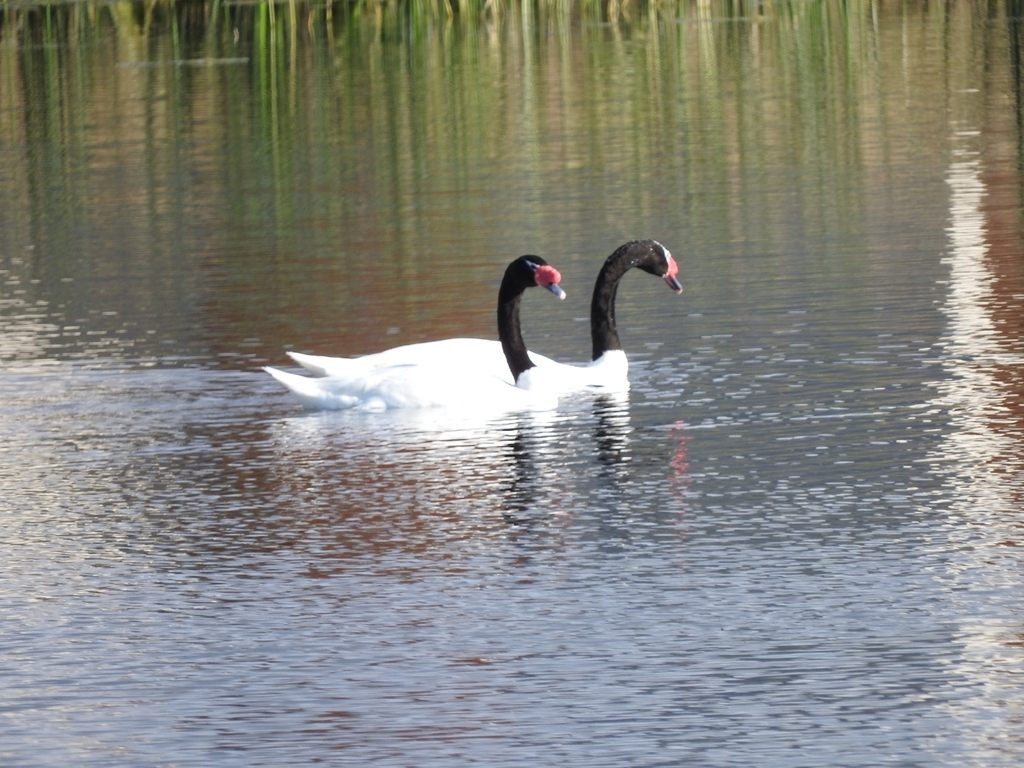
Legendary spotlight
Black-necked Swan: South America's only true swan, and one of the hardest to actually see
A white body, a black hood, and a scarlet caruncle at the base of the bill. The only true swan south of the equator, confined to remote wetlands most birdwatchers never visit.
Read more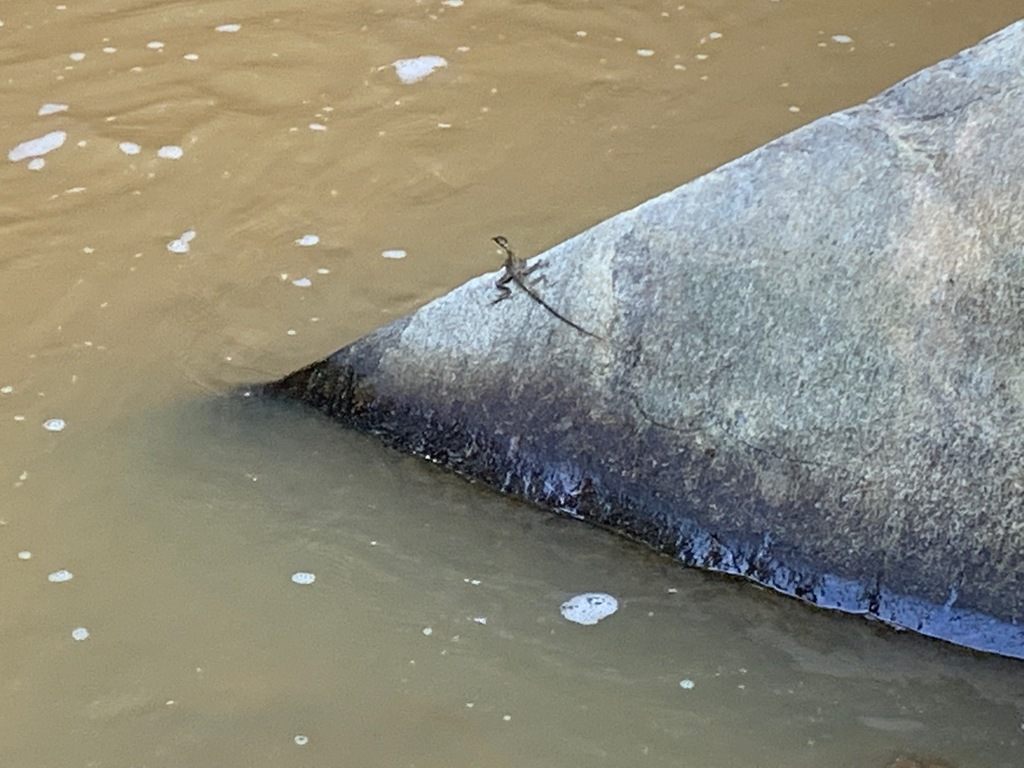
Adaptation explainer
How does the basilisk lizard walk on water? It sprints faster than it sinks.
Fringed toes, a slap-stroke gait, and forces up to 15 times its body weight per stride: how the common basilisk sprints across open water, and why only hatchlings can outrun the sink.
Read more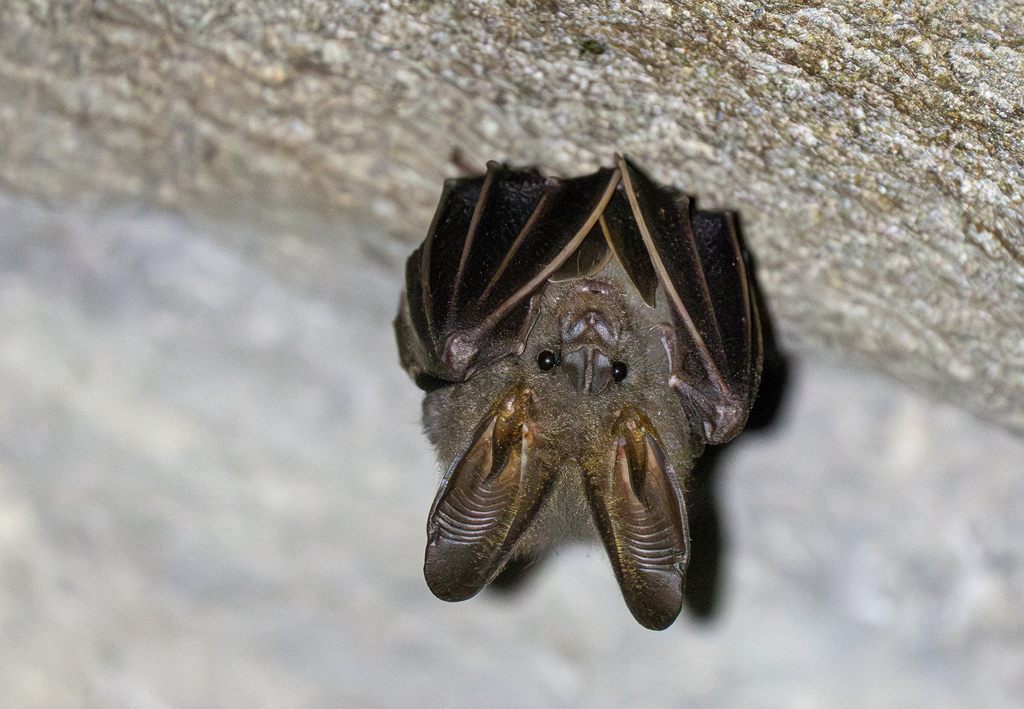
Species spotlight
Lesser False Vampire Bat: it never drinks a drop of blood
Huge forward-swept ears, a spear-shaped noseleaf, and a hunting style closer to a barn owl than a typical bat. Despite the name, it is entirely carnivorous and has never fed on blood.
Read more
Superlative
Best camouflaged animals in the world: 7 masters of disguise
From a moth matching soot-stained bark to an octopus that changes colour and texture in under a second, seven species ranked by disguise.
Read more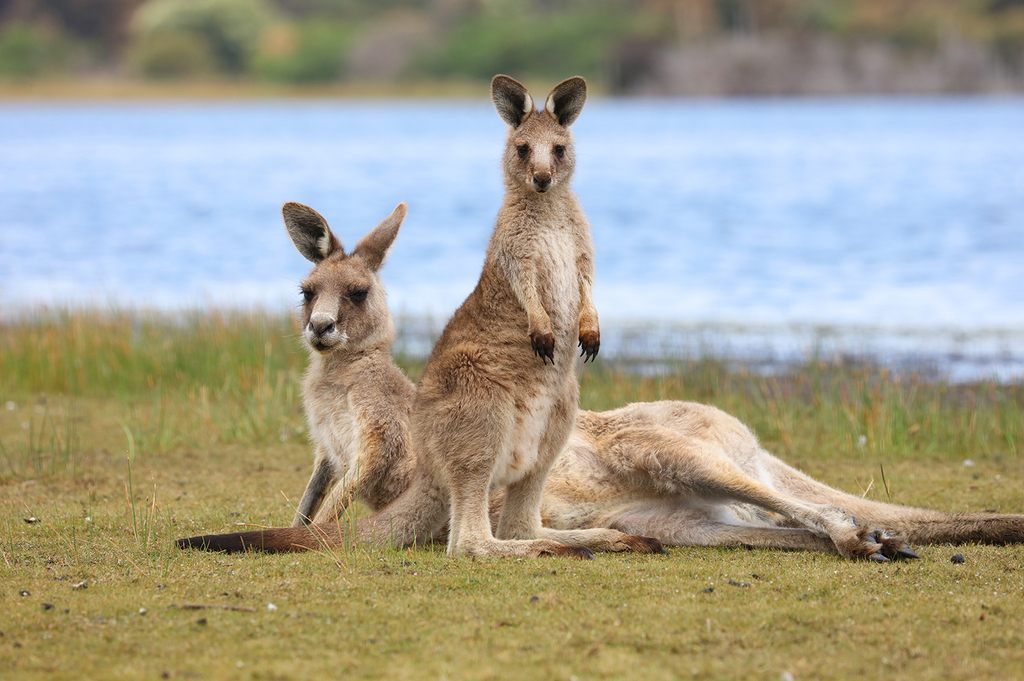
Evolution story
Why kangaroos have pouches: a newborn the size of a jellybean explains it
A kangaroo joey is born blind, hairless and under a gram, then crawls unaided into the pouch. The real story is why marsupial pregnancy is so short in the first place.
Read more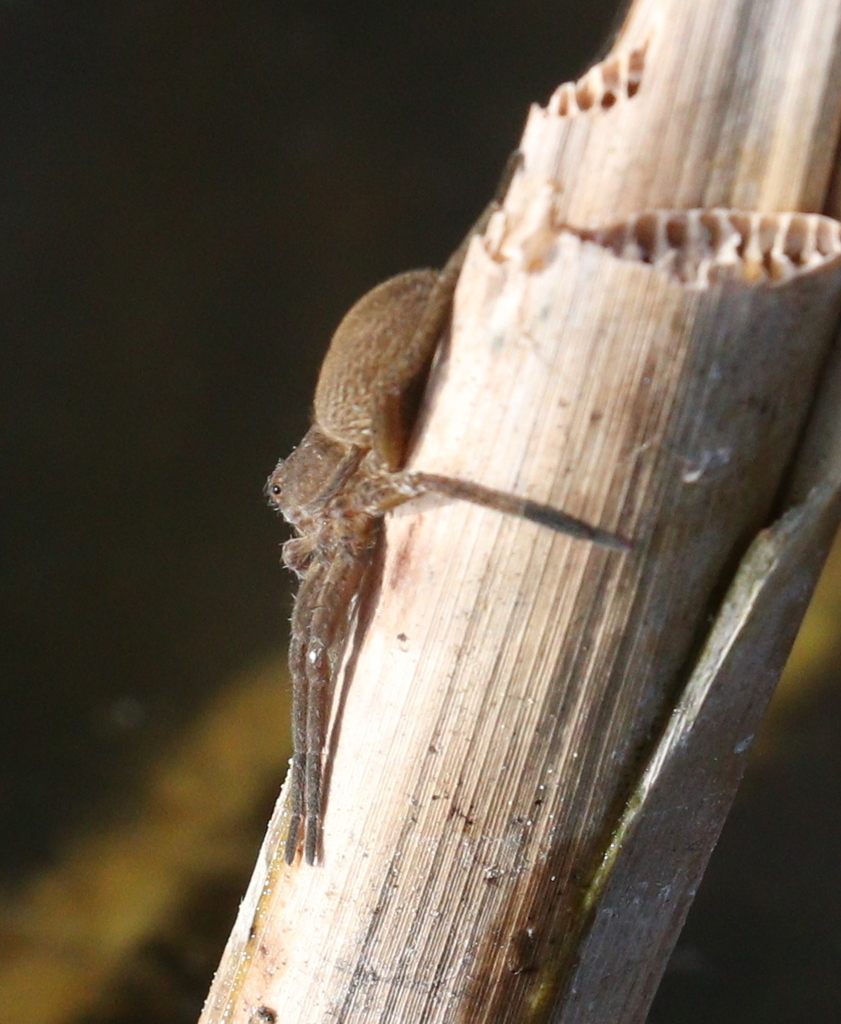
Exotic spotlight
Fen Raft Spider: the arachnid that hunts on the water and beneath it
One of Europe's largest and rarest spiders rests its front legs on the water to feel vibrations, then rows, gallops or dives underwater to seize prey, sometimes catching small fish.
Read more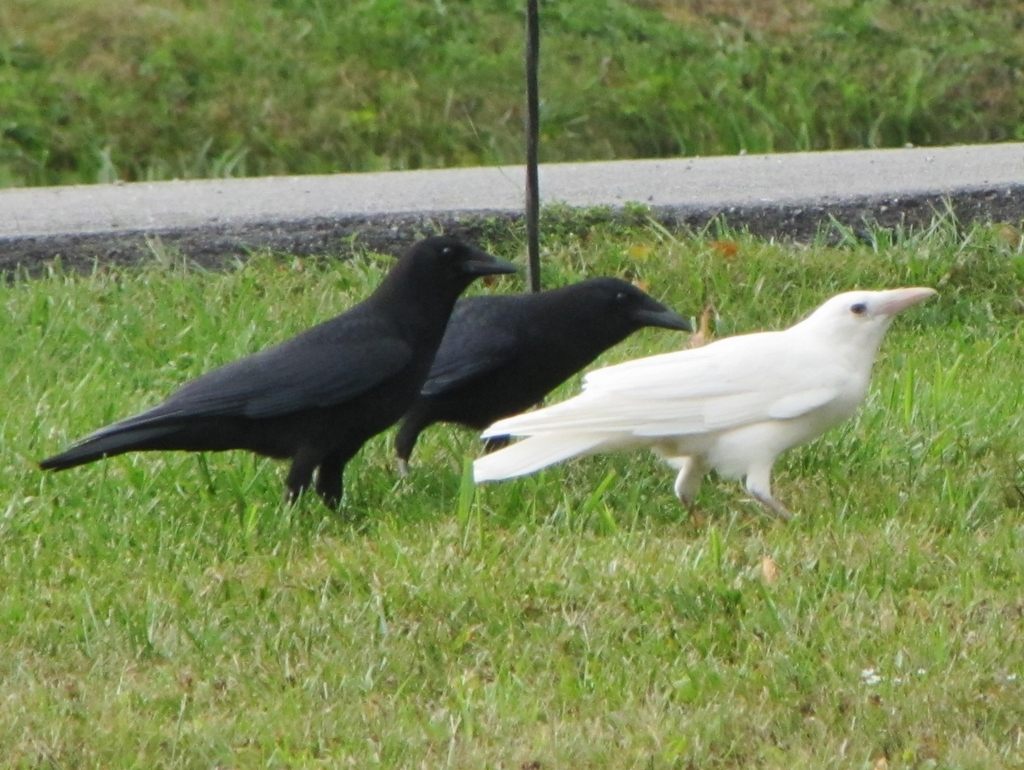
Superlative
Smartest birds in the world: 6 ranked by brain power
Crows remember your face for years and teach their offspring to mob you. Magpies pass the mirror self-recognition test. Nutcrackers memorise 6,000 hiding spots. The science behind avian intelligence.
Read more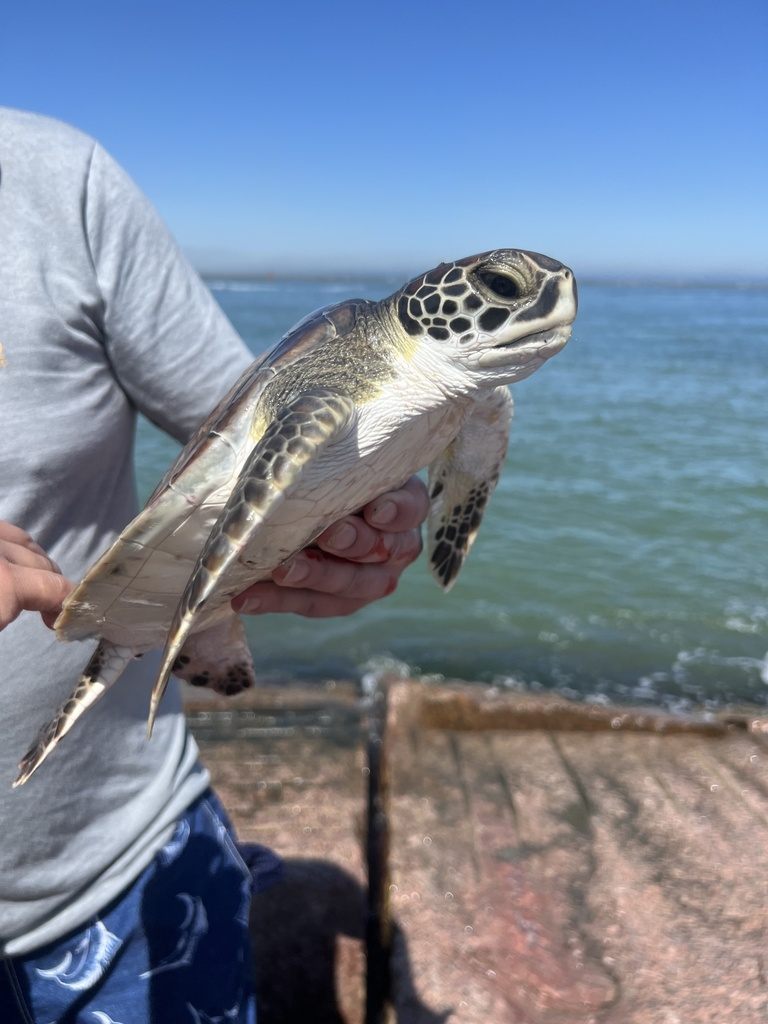
Species spotlight
Green Sea Turtle: how it finds its home beach
Adults eat only seagrass, weigh up to 190 kg, and navigate thousands of kilometres using the magnetic signature of the beach where they hatched.
Read more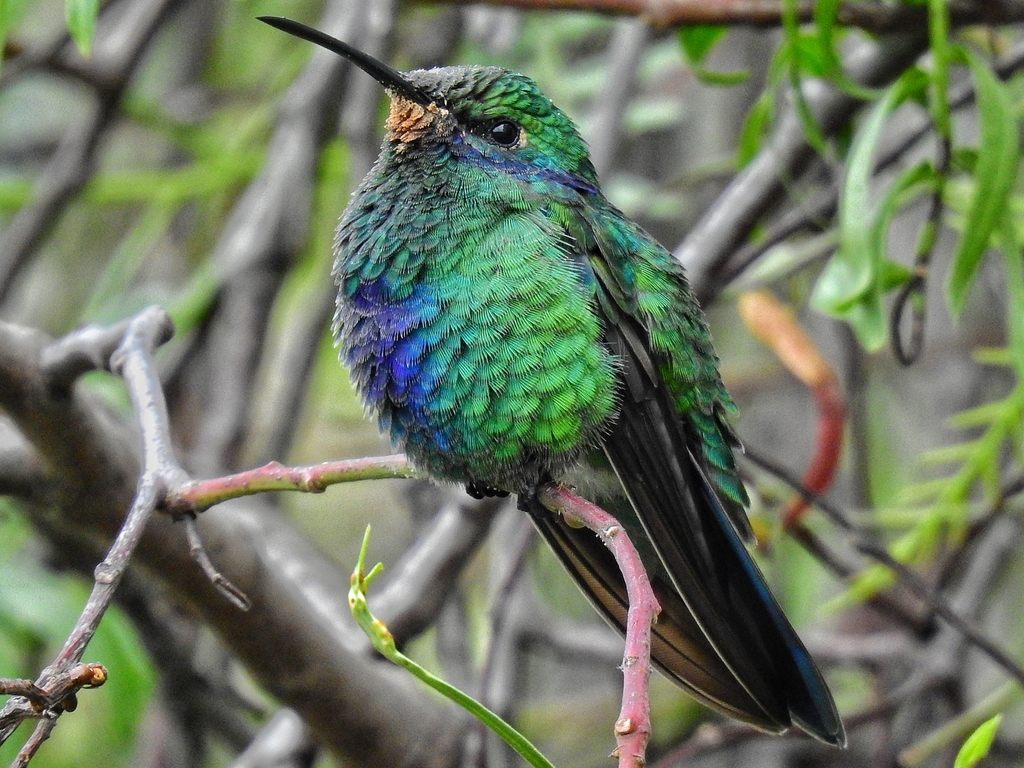
Adaptation explainer
How do hummingbirds hover? The wing mechanics that make it possible
A figure-8 wingbeat, a freely rotating shoulder joint, and up to 80 beats per second: hummingbirds are the only birds that can truly hover, and this is how they do it.
Read more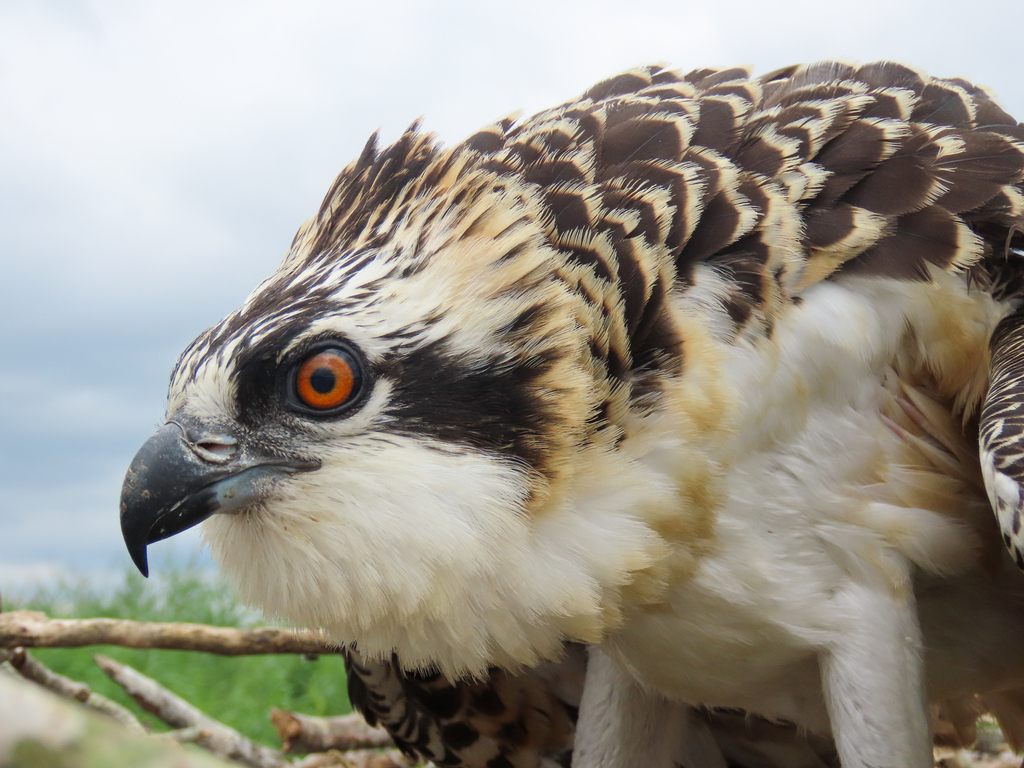
Adaptation explainer
Osprey: the anatomy behind a perfect fishing dive
Barbed toe pads, a reversible outer digit and self-sealing nostrils: how the world's only raptor in its own family catches fish by plunge-diving feet-first from open water.
Read more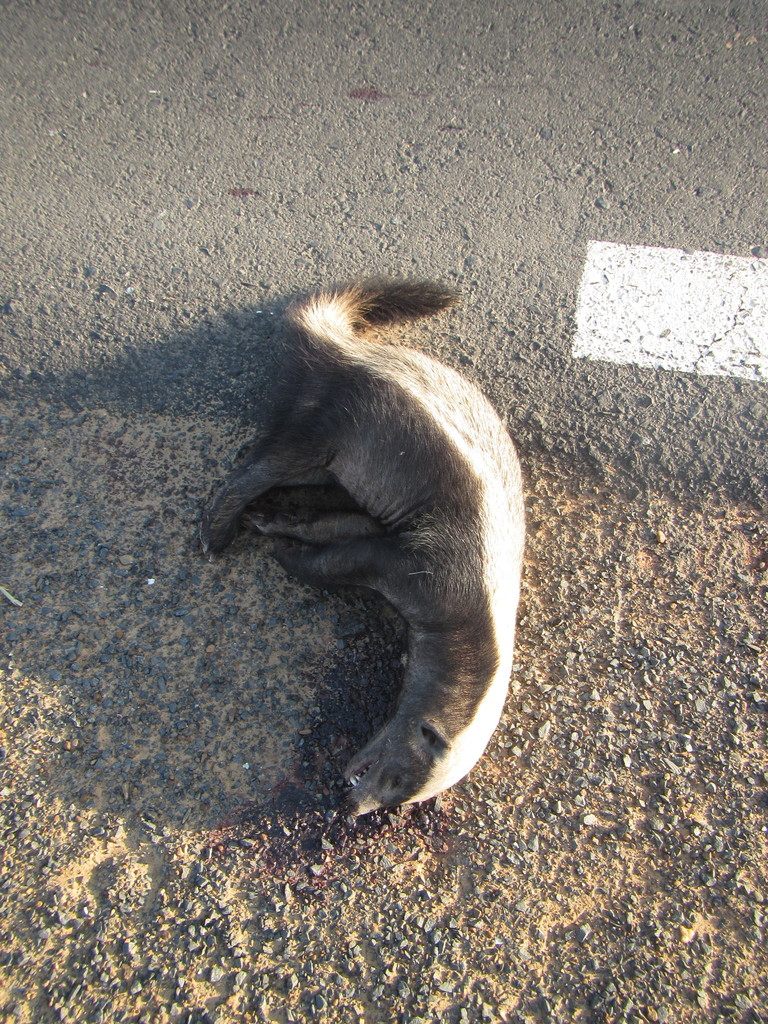
Species spotlight
The Honey Badger: the most fearless animal on Earth
Its skin resists stings and snake bites, it holds the Guinness World Record for fearlessness, and it regularly eats cobras after absorbing the venom. Here is the biology behind the reputation.
Read moreLegendary spotlight
Fire-breathing Shrimp: the deep-sea crustacean that spits living light
Only 2 iNaturalist records exist for this species. It lives at 500 to 1,500 metres depth and defends itself by ejecting a glowing cloud from its mouth to blind attackers.
Read more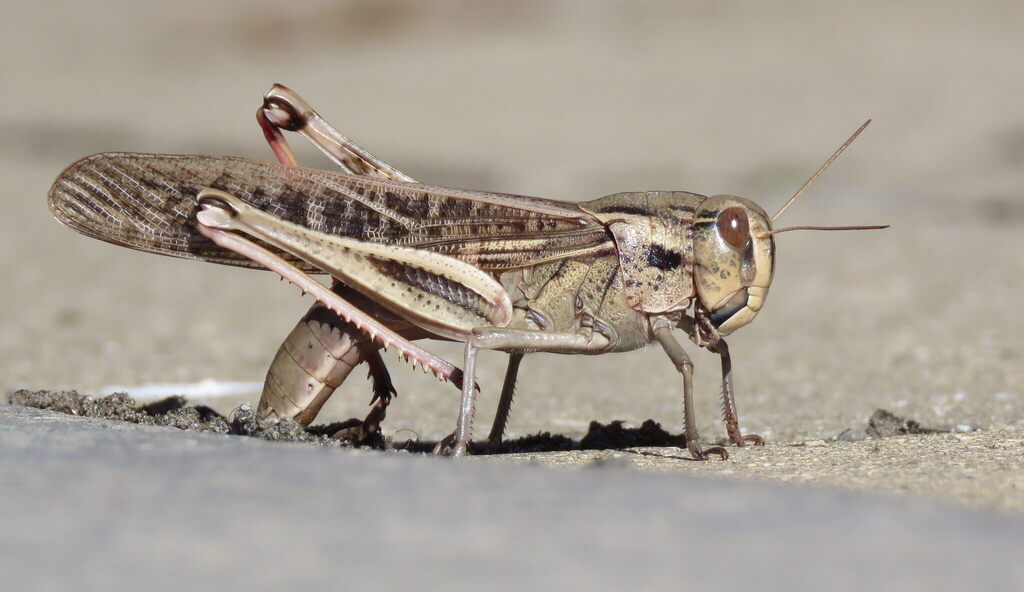
Superlative
Most dangerous insects in the world: 6 ranked by human impact
Three mosquito species account for more human deaths than any other animal group. Add fire ants, hornets and a locust that can strip the food supply of 35 million people, and you have the full ranking.
Read more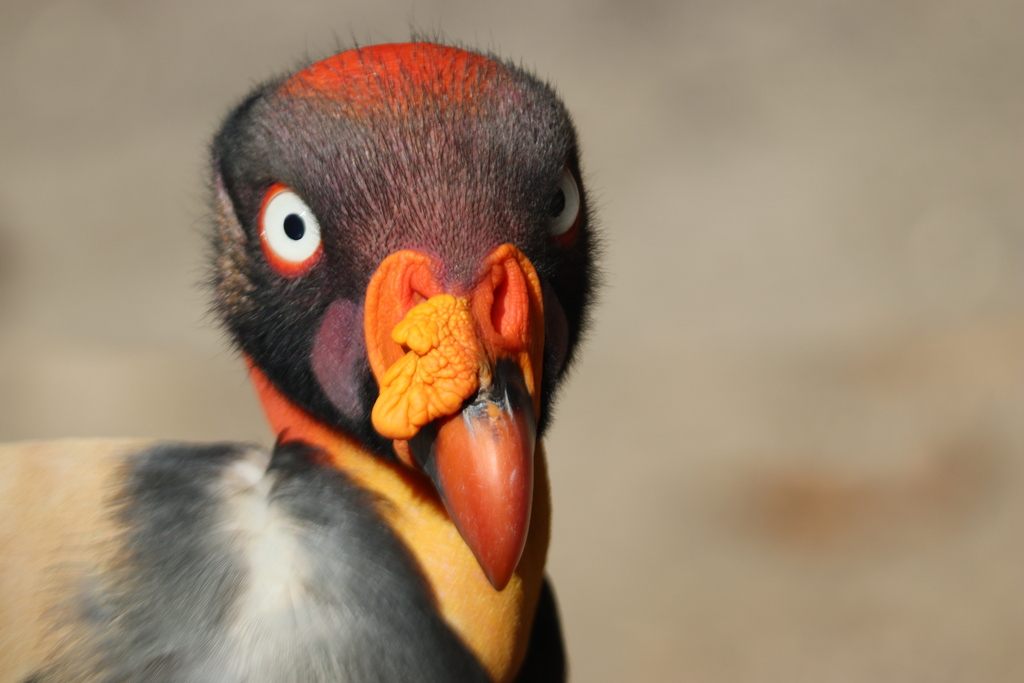
Exotic spotlight
King Vulture: the most colourful bird of prey in the Americas
Its body is black and white. Its head blazes with orange, red, purple and yellow bare skin. The dominant scavenger in the American tropics, and one of the most spectacular birds alive.
Read more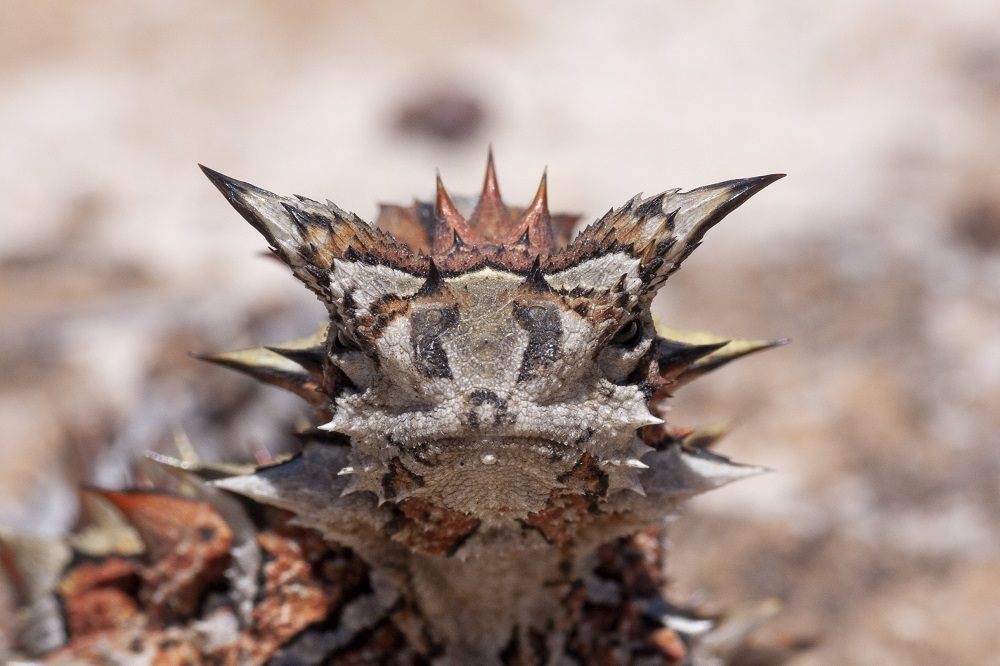
Adaptation explainer
Thorny Devil: how a desert lizard drinks water through its skin
It never needs a puddle. Grooves in its skin wick dew and damp sand along its whole body to its mouth by capillary action, even uphill. Plus a false head, and a diet of thousands of ants a day.
Read more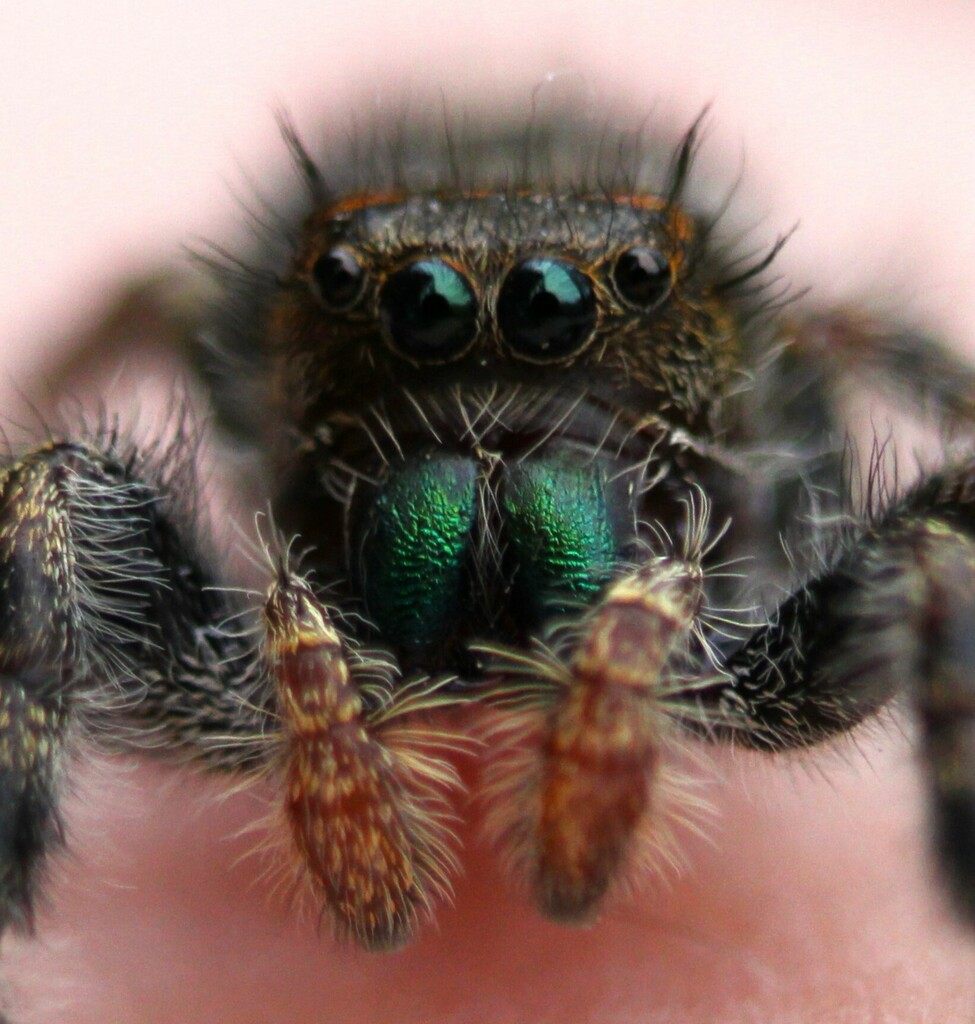
Taxon guide
Jumping spiders: the 8-eyed hunters that look back
Eight eyes, perfect depth perception, and they really do track your face. A guide to four species worldwide and the biology behind one of the most curious hunters on Earth.
Read more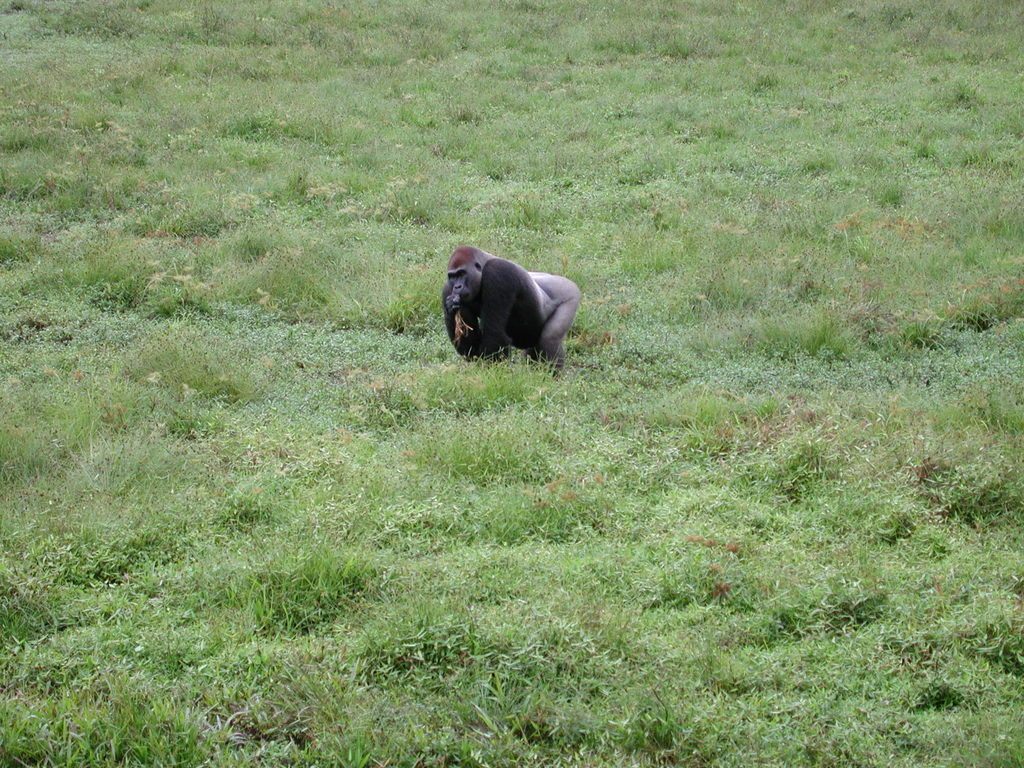
Behaviour explainer
Why do gorillas beat their chests?
Each silverback's beat carries up to 800 metres and has a unique acoustic signature. Deeper pitch signals a larger male. It is communication, not aggression.
Read more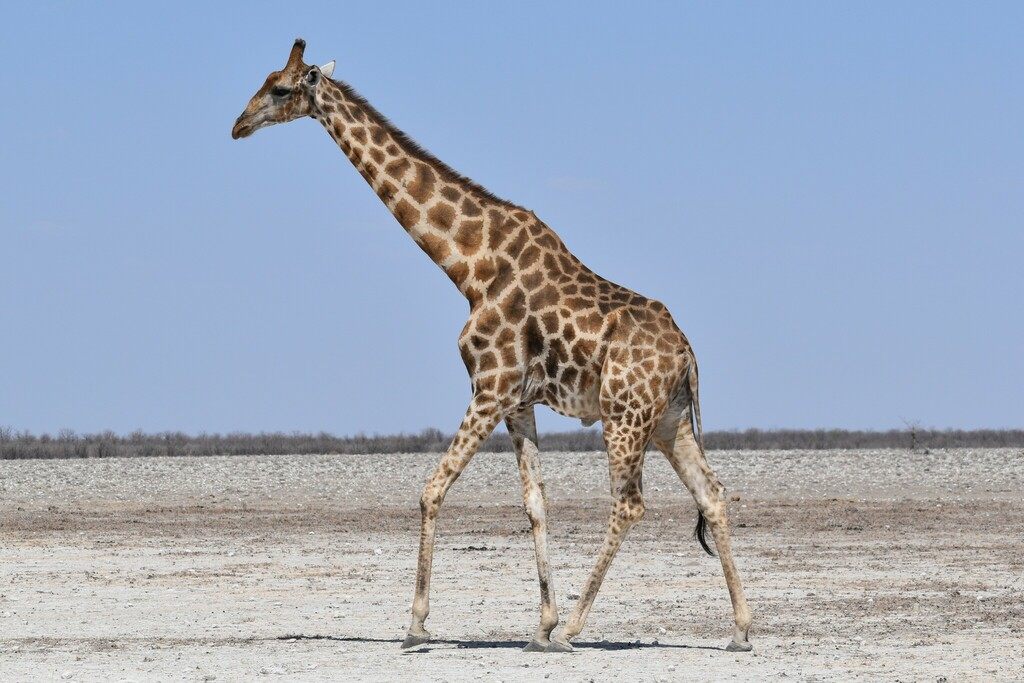
Superlative
Tallest animals in the world: 7 record-holders ranked by height
From the southern giraffe at 5.8 m to the emu at 1.9 m, seven confirmed height records and the biology behind each one.
Read more
Behaviour explainer
Why spotted hyenas win more hunts than lions
Spotted hyenas succeed on 70–80% of hunts vs lions' 30%. The biology: matriarchal clans, endurance hunting and extraordinary social science.
Read more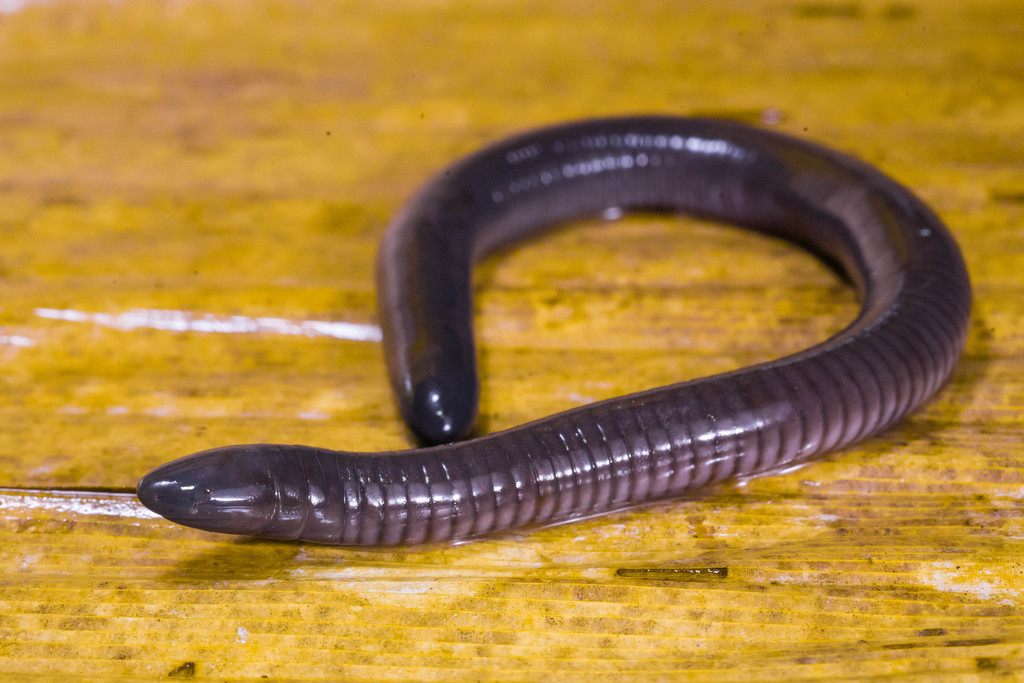
Evolution story
Mexican Caecilian: the amphibian that lost its legs 250 million years ago
Legendary-tier and almost never seen. The third order of amphibians: legless, burrowing, and feeding its young on its own skin.
Read more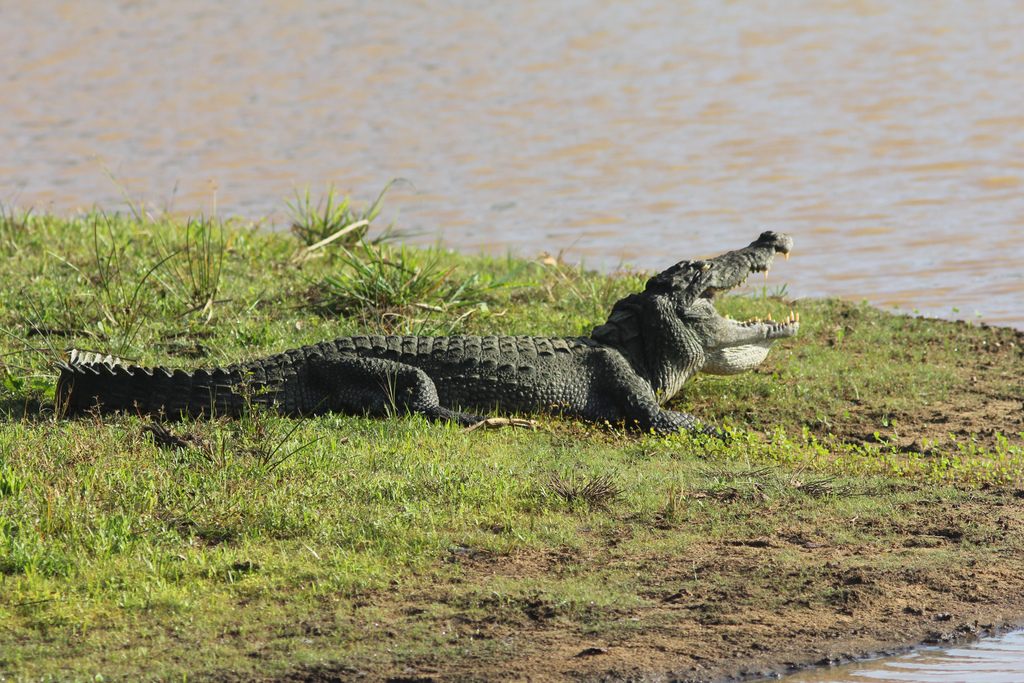
Exotic spotlight
Mugger Crocodile: South Asia's broad-snouted river predator
South Asia's largest reptile. Grows to 5 m, aestivates underground in droughts, and is the crocodile most South Asians will ever actually encounter.
Read more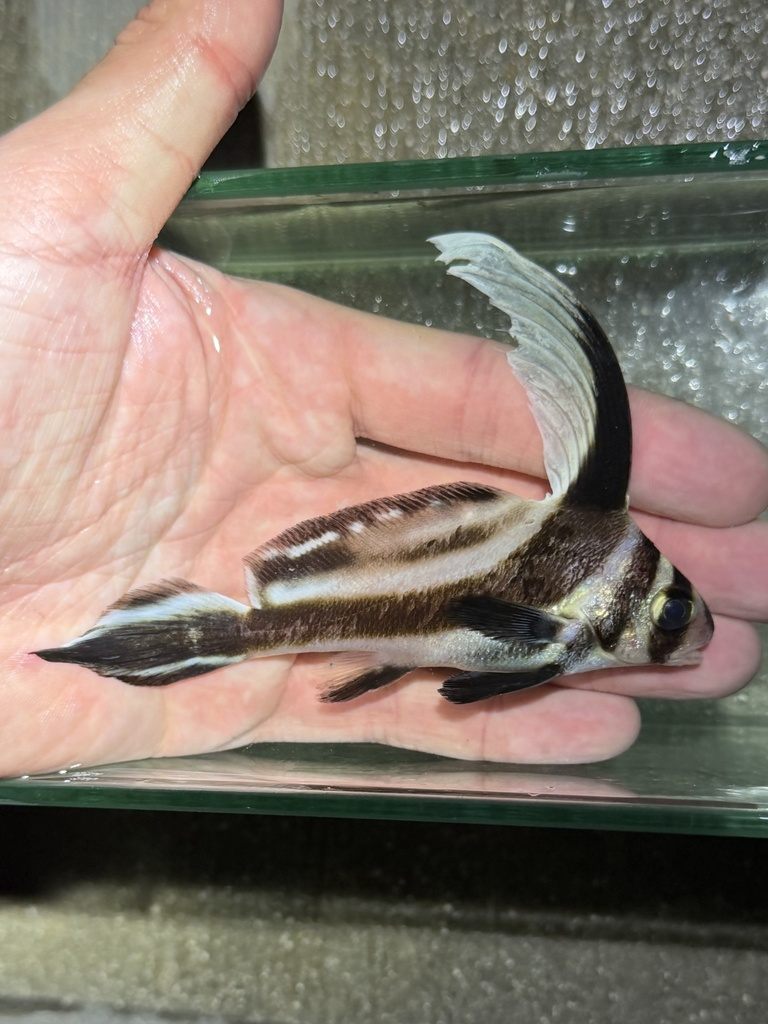
Species spotlight
Spotted Drum: the most visually distinctive fish on a Caribbean reef
Bold black-and-white spots, a ribbon dorsal fin in juveniles, and a drumming swim bladder. The Caribbean reef's most recognisable fish.
Read more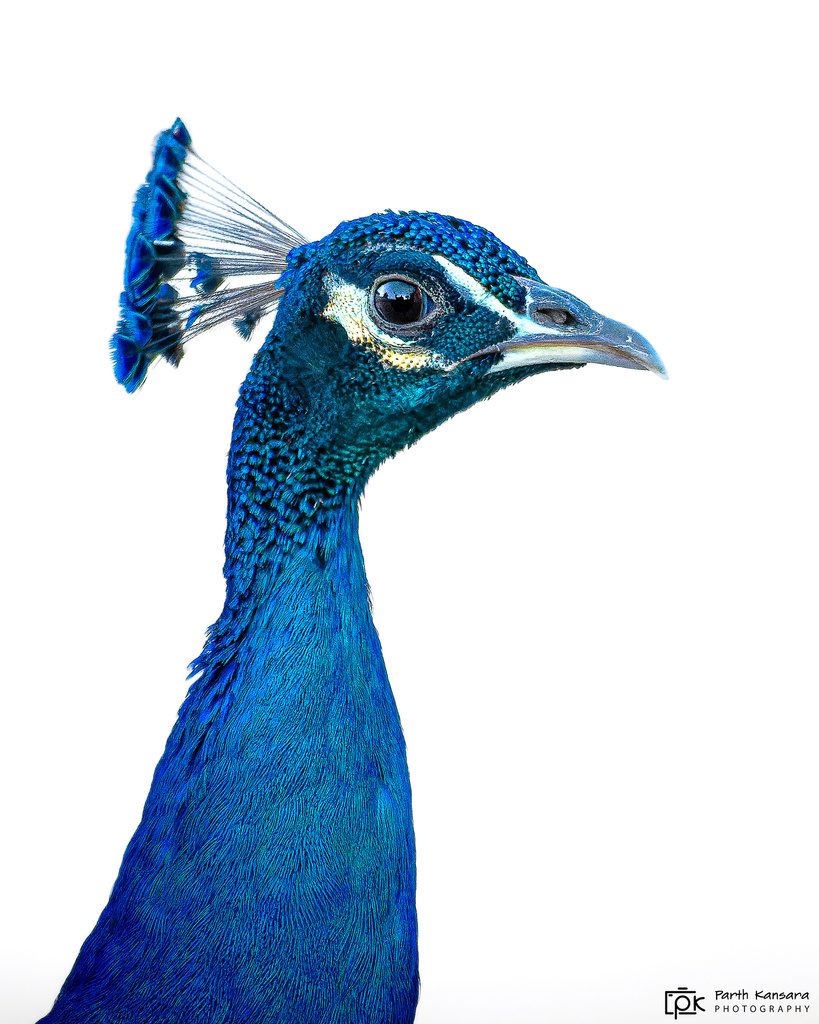
Superlative
Most colorful animals in the world: 6 ranked
From the Indian peafowl to the mandarin duck, the six most colorful animals ranked by what makes their color extraordinary.
Read more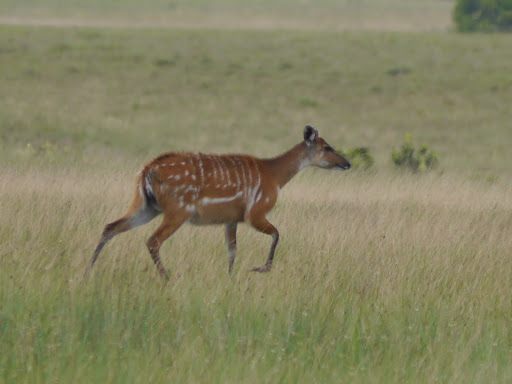
Exotic spotlight
Sitatunga: the swamp antelope that hides in papyrus
Africa's only truly aquatic antelope. Splayed hooves, oily waterproof fur, and the ability to submerge to its nostrils make the sitatunga unlike any other bovid.
Read more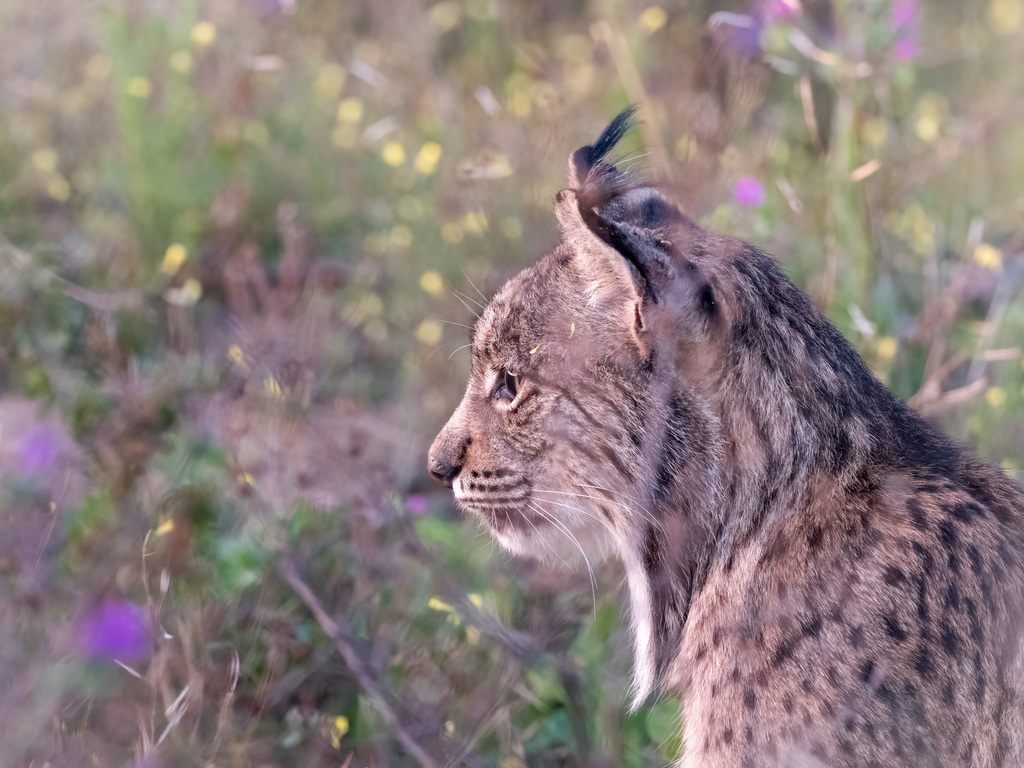
Legendary spotlight
Iberian Lynx: Europe's rarest wild cat, identified
The most range-restricted wild cat in Europe: how to identify it by its uniquely dense spots, where to find it, and what it needs to survive.
Read more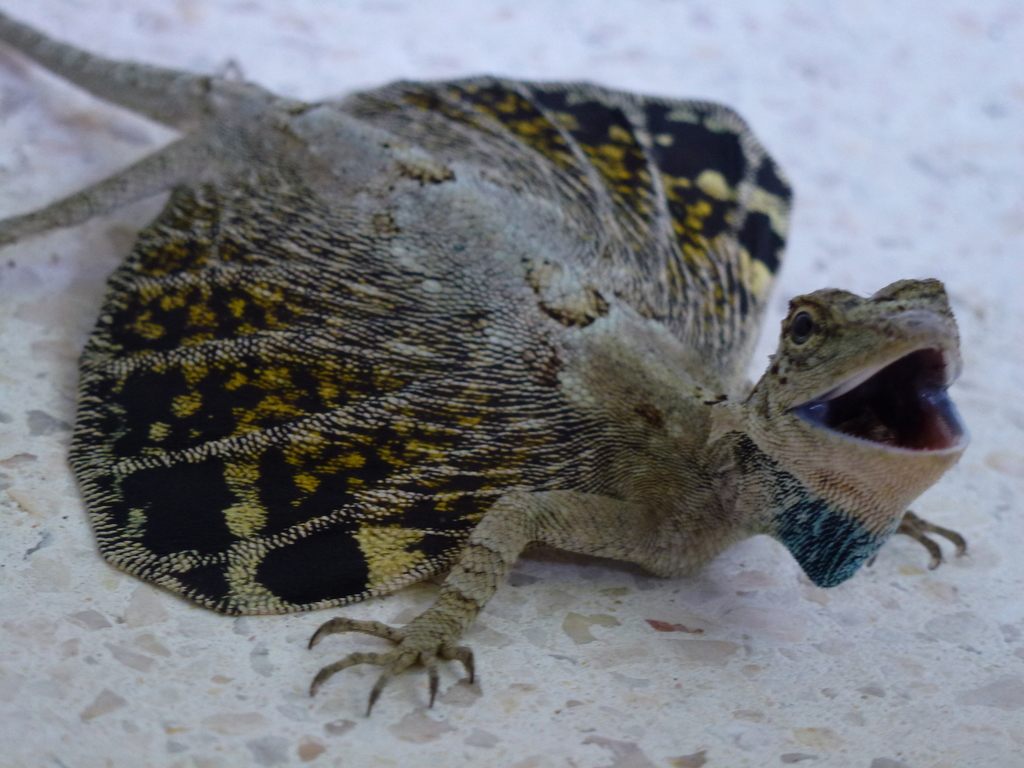
Adaptation explainer
Flying Dragon Lizard: how ribs evolved into wings
The only vertebrate alive that glides on elongated ribs. How Draco volans deploys a skin membrane from its skeleton and covers 60 m in a single glide.
Read more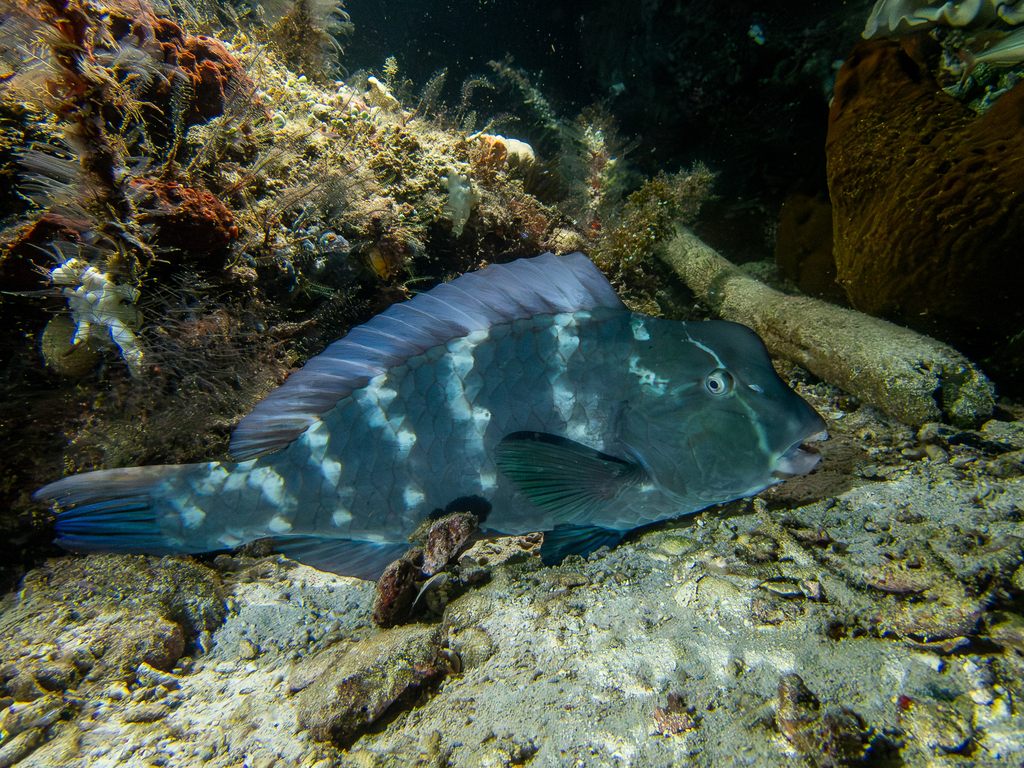
Exotic spotlight
Bumphead Parrotfish: the reef giant that headbutts coral
The world's largest parrotfish schools in groups of 75, rams live coral with its bony hump, and produces over a tonne of white sand per year.
Read more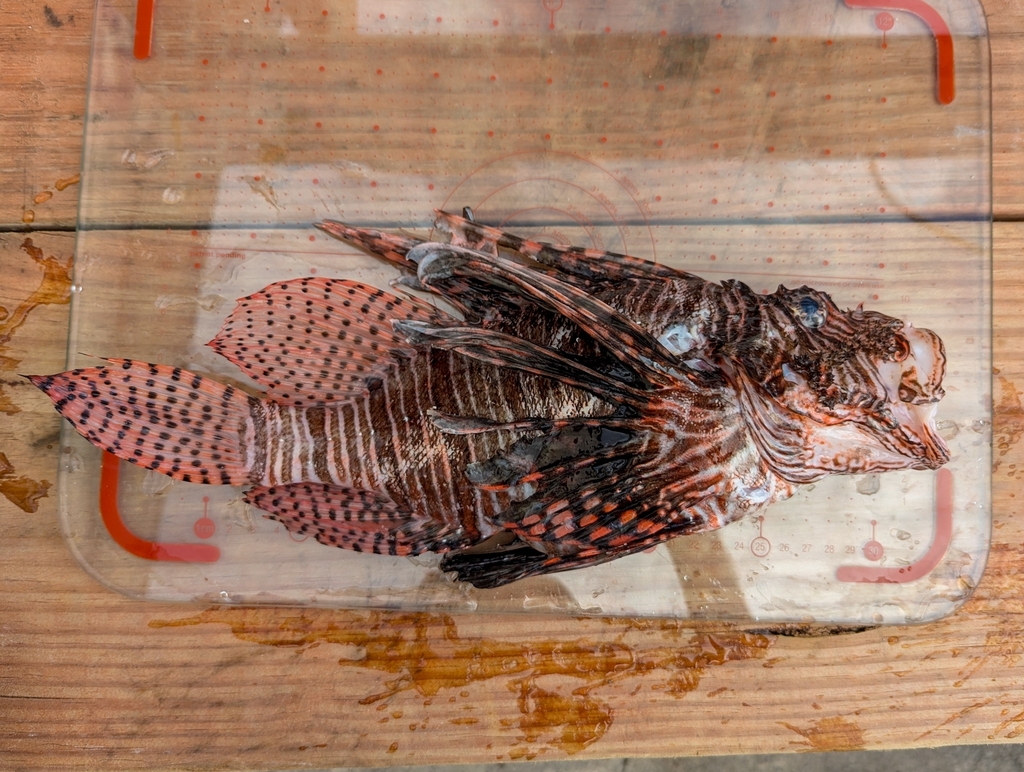
Superlative
Most venomous fish in the world
Stonefish, lionfish, weever and scorpionfish ranked: which is most dangerous and what to do if stung.
Read more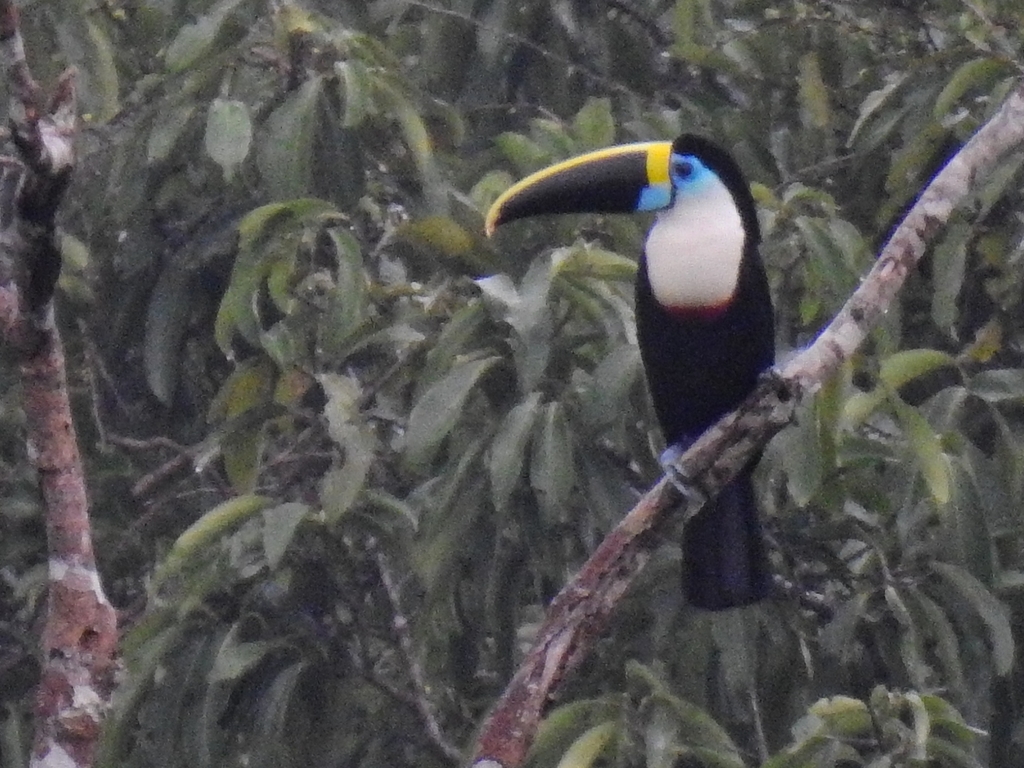
Habitat guide
Amazon rainforest animals
The 10 species that define the world's greatest jungle, from jaguars and giant otters to pink river dolphins and toucans.
Read more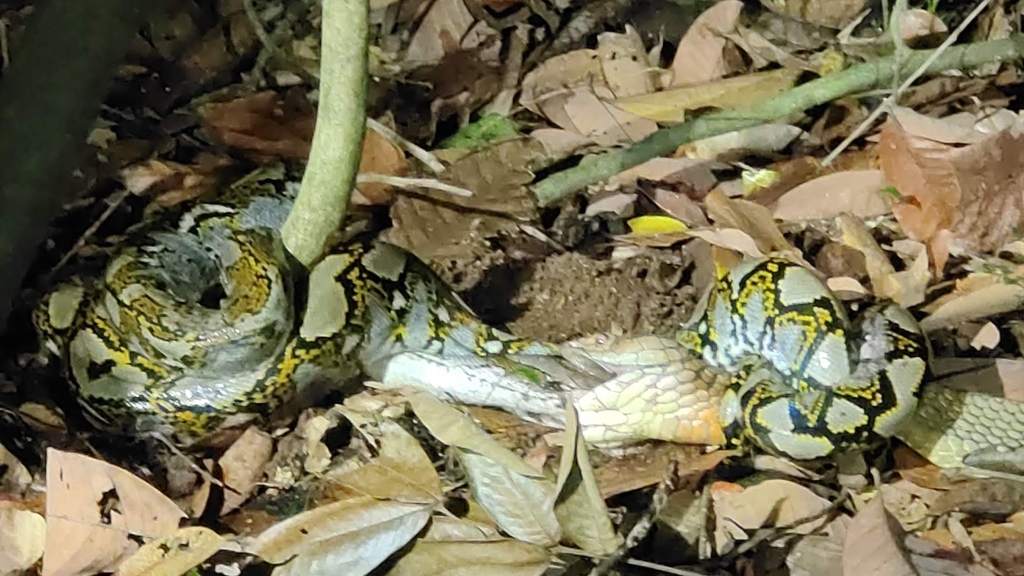
Adaptation explainer
How do snakes swallow prey larger than their head?
The kinetic skull, elastic ligaments and temporary organ growth that let pythons eat meals bigger than themselves.
Read more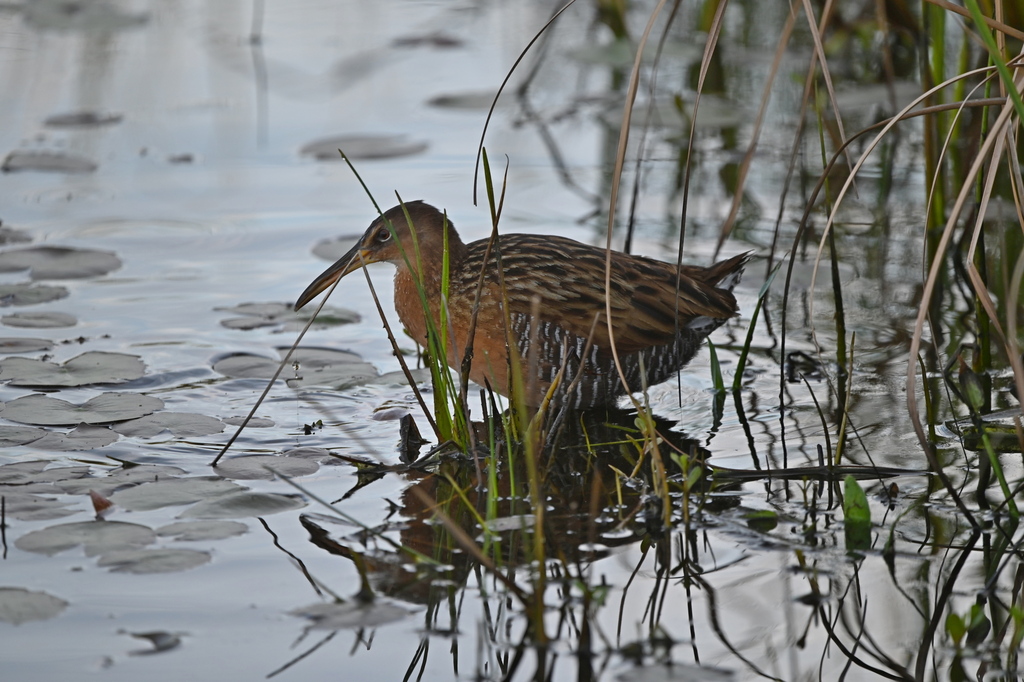
Legendary spotlight
King rail: the marsh bird you'll hear but never see
North America's largest rail calls loudly from the heart of freshwater marshes yet is almost impossible to spot.
Read more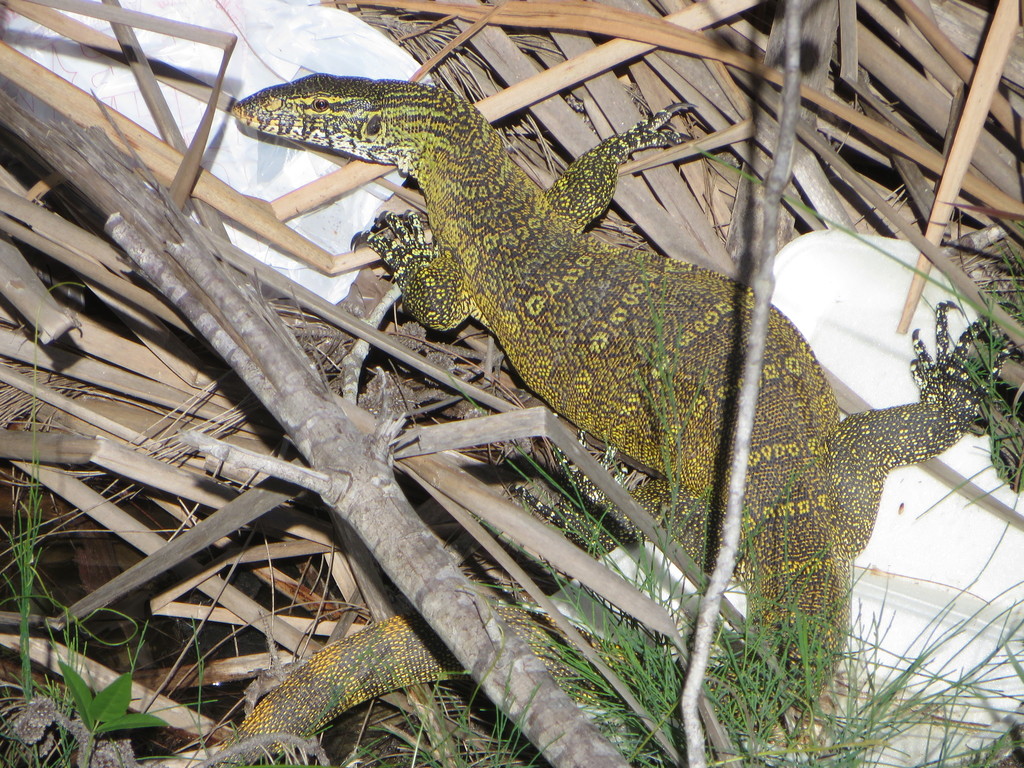
Exotic spotlight
Nile monitor lizard: Africa's largest lizard
How big do they get, how fast can they run, and are they dangerous? A field guide to Varanus niloticus.
Read more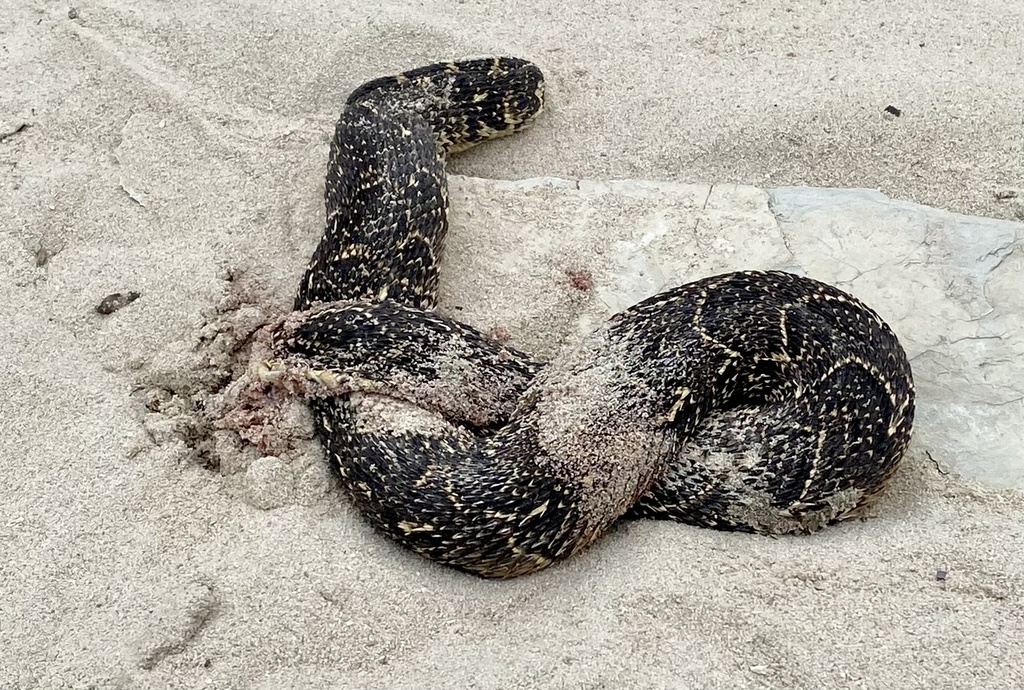 Superlative
Deadliest snakes in the world: 6 species ranked by human impact
The snakes that kill the most people are not the ones with the most potent venom. Six species ranked by human mortality: puff adder, saw-scaled viper, Central Asian cobra, two spitting cobras, and the Palestine viper.
Read the guide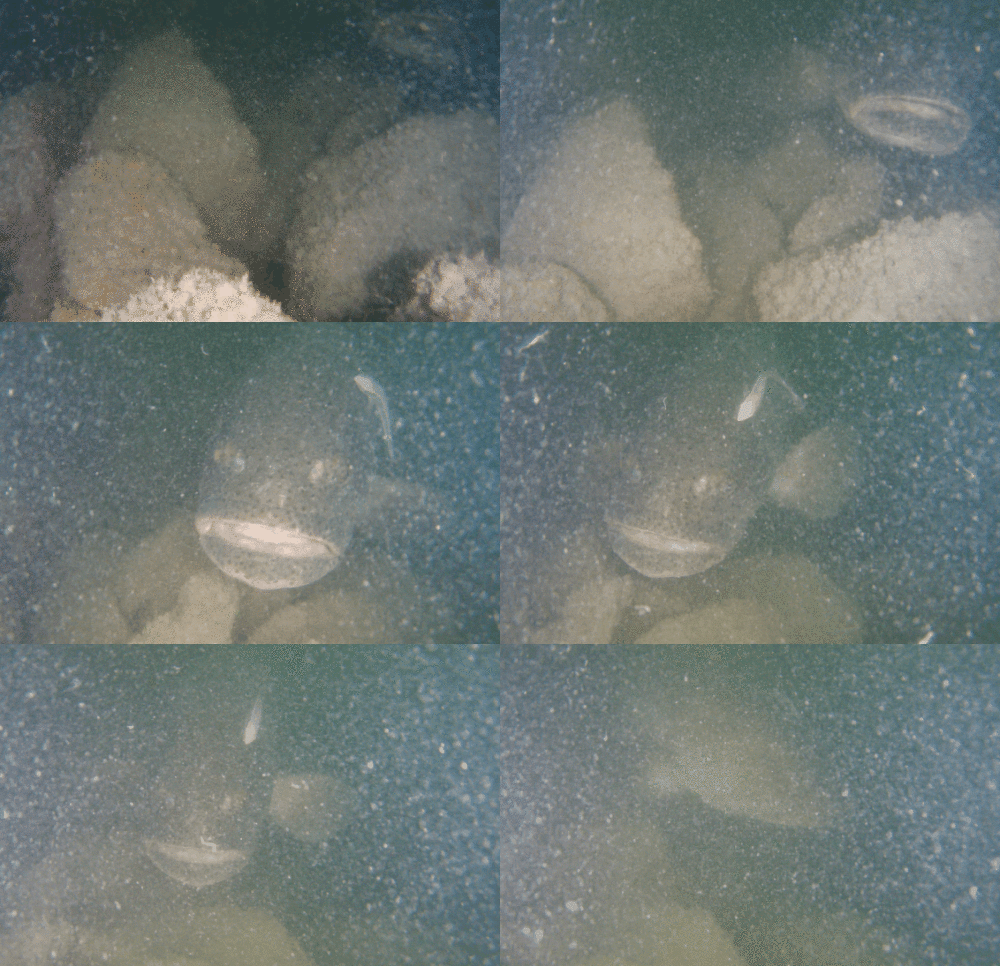 Species spotlight
Atlantic Goliath Grouper: the largest reef fish in the Atlantic and the one that changes sex
The Atlantic goliath grouper reaches 2.5 m and 363 kg. It is born female, can become male as it ages, and produces a low-frequency boom you feel in your chest rather than hear. Epic tier, three diamonds.
Read the guide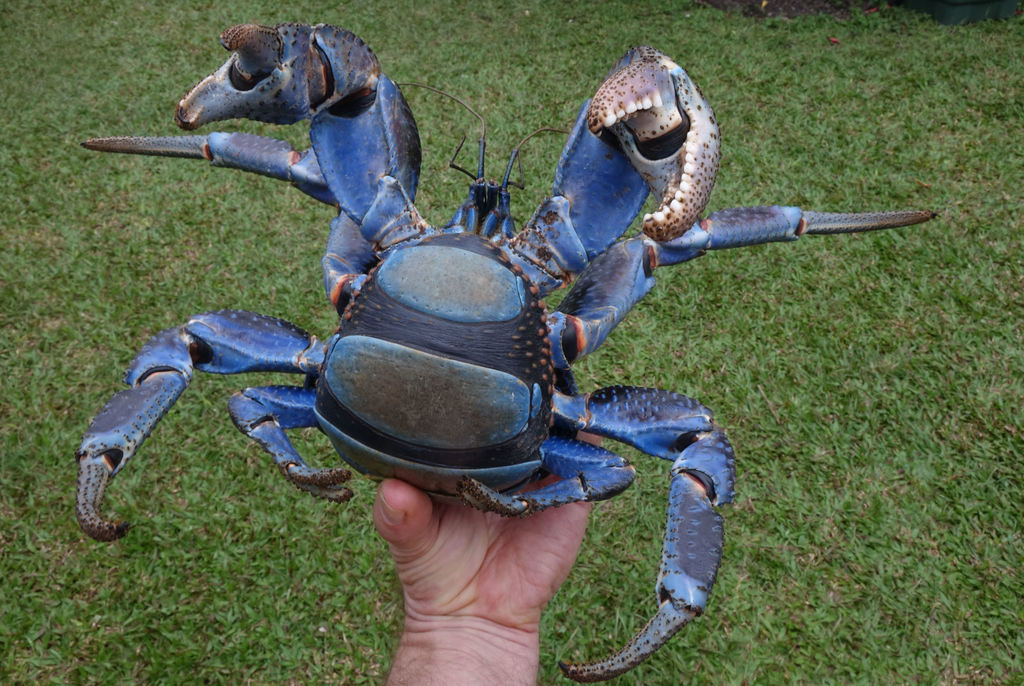 Exotic spotlight
Coconut Crab: the world's largest land invertebrate climbs trees and cracks steel
A leg span of 1 metre, a claw force of 3,300 N, a lifespan of up to 60 years, and the ability to climb a palm tree. The coconut crab would drown in the ocean where its larvae were born. Common tier, one diamond.
Read the guide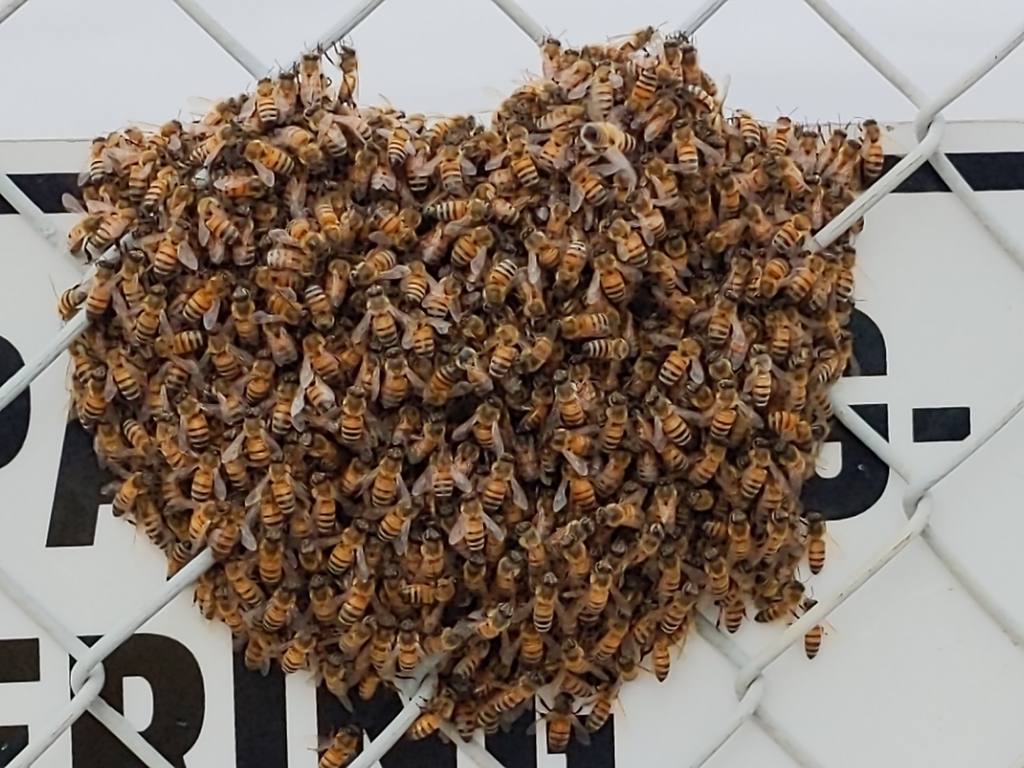 Adaptation explainer
How do bees navigate? The biology of the waggle dance, sun compass and magnetic map
A western honey bee weighs 0.1 g, travels 5 km, and returns to an entrance hole 2 cm wide. The navigation biology: a waggle dance, a time-corrected sun compass, polarised light, and magnetite crystals. Common tier, one diamond.
Read the guide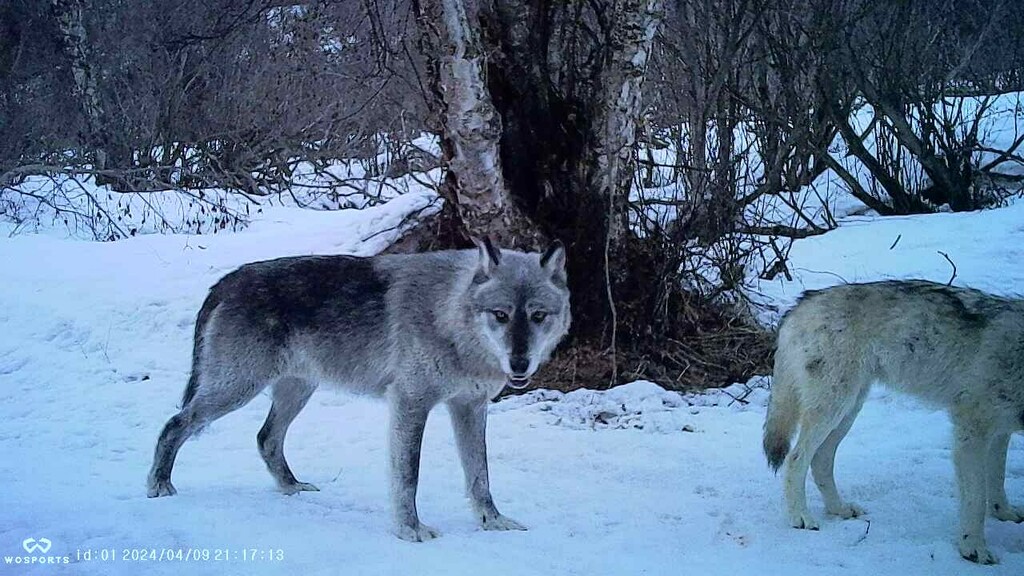 Legendary spotlight
Grey Wolf: the apex canid and the ancestor of every dog on Earth
The grey wolf is the most wide-ranging wild land predator on Earth and the direct ancestor of every domestic dog. How to identify one, where packs live, how they hunt, and why a genuine sighting earns four diamonds. Legendary tier.
Read the guide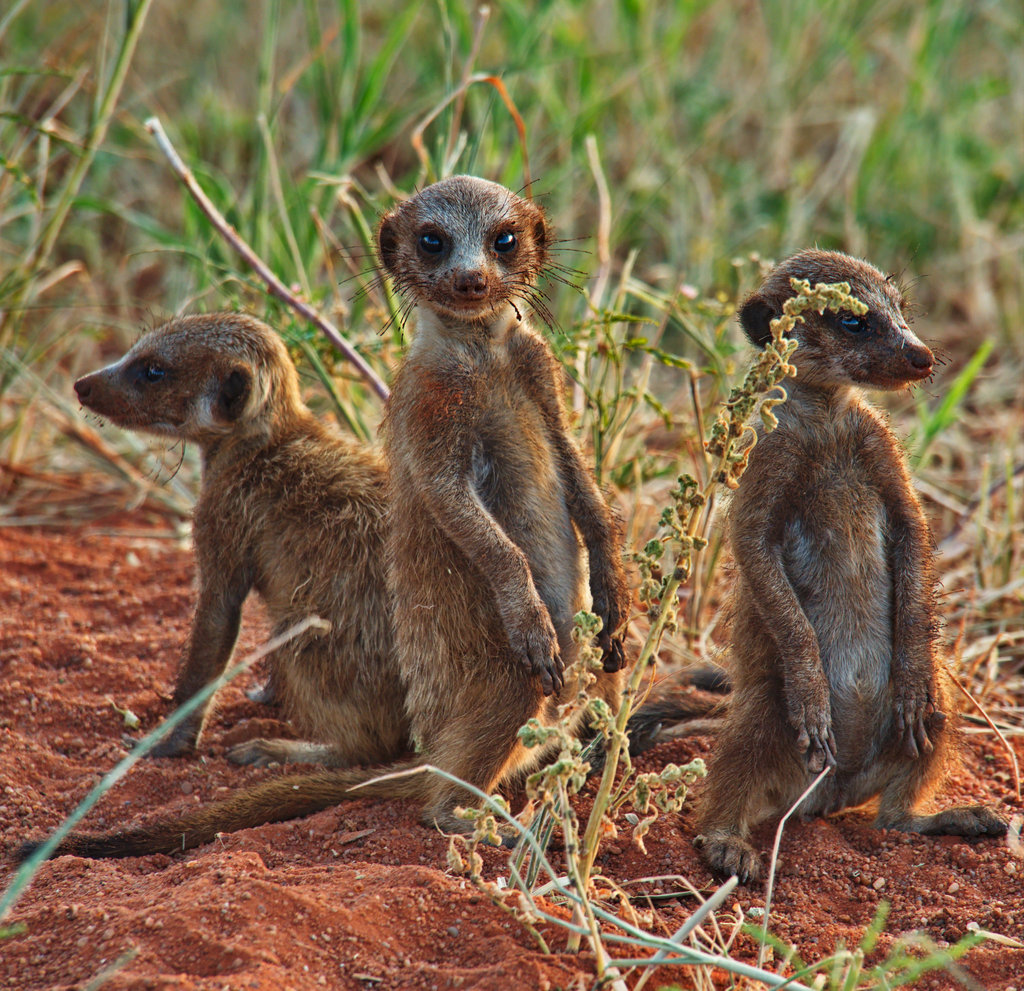 Behaviour explainer
Why do meerkats stand up? The science behind the sentinel
A meerkat standing upright is not posing. It is acting as a sentinel, watching for aerial and ground predators with a coded alarm call system while the rest of the mob forages. A deep look at how cooperative vigilance actually works. Common tier, one diamond.
Read the guide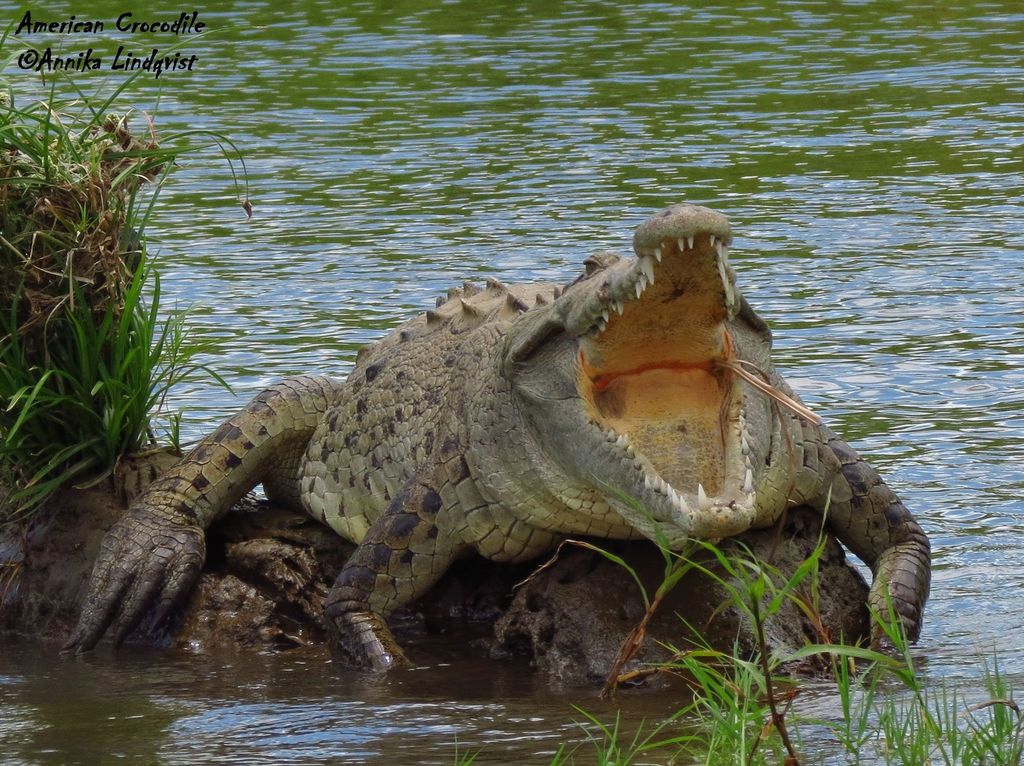 Species spotlight
American crocodile: the salt-tolerant apex reptile of the Americas
The American Crocodile is the only crocodilian in the Americas capable of living in full seawater indefinitely. Its narrow snout, visible fourth tooth and lingual salt glands separate it from the alligator. Found from Florida through Central America and the Caribbean to South America. Epic tier, three diamonds.
Read the guide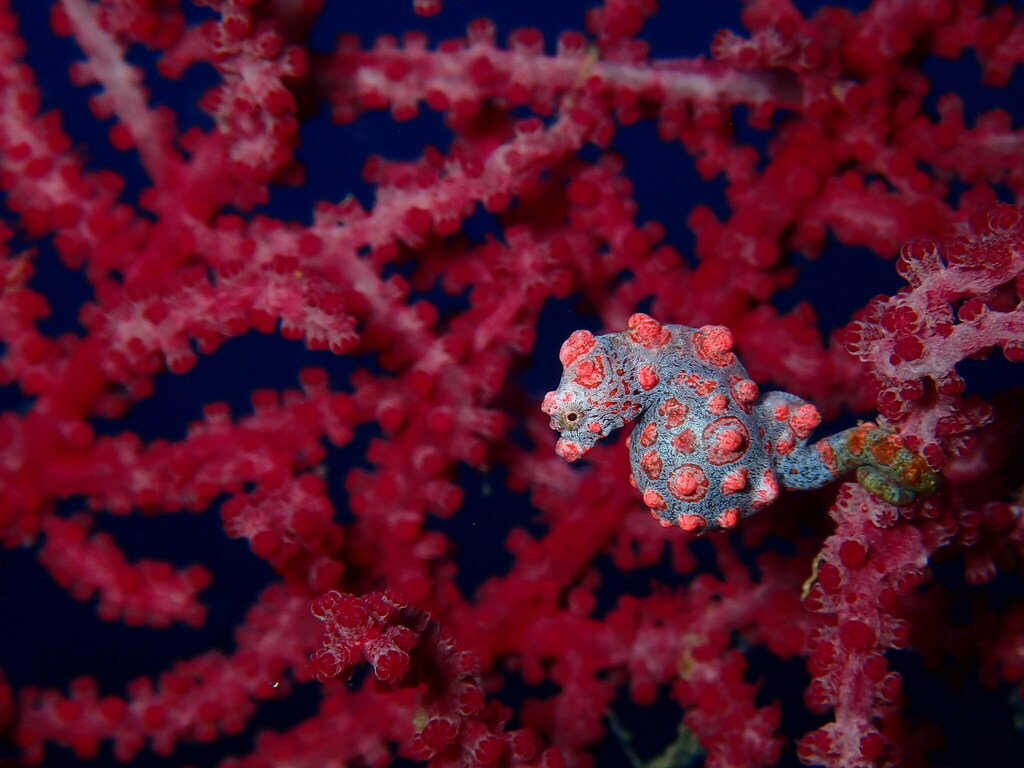 Fun facts
7 weirdest animals in the world: the biology behind each one
A seahorse small enough to sit on a fingernail. A fish that weighs 2,300 kg and eats jellyfish. A monkey with a nose bigger than its face. Seven genuinely strange animals from the Kaught catalog, each with the biology that explains why they are the way they are.
Read the guide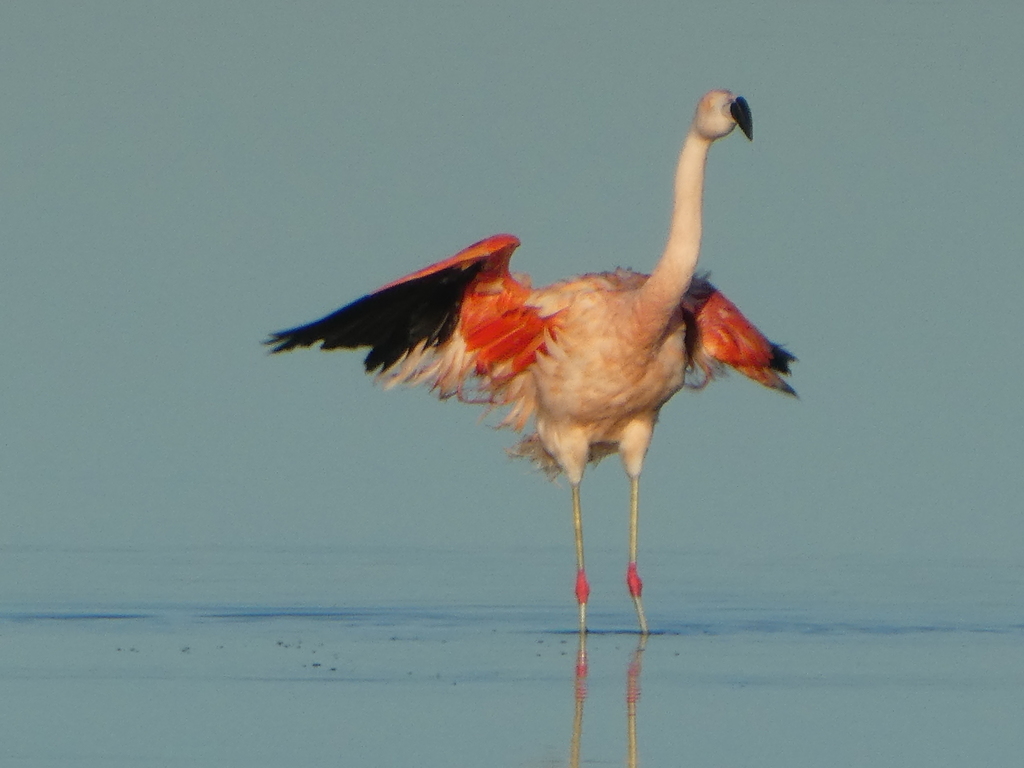 Adaptation explainer
Why are flamingos pink? The biology behind the colour
Flamingos are born white. The pink comes entirely from carotenoid pigments in the algae and crustaceans they eat, processed by the same biochemical pathway that colours carrots. A field guide to the Chilean Flamingo and the full biology of colour in the animal kingdom. Epic tier, three diamonds.
Read the guide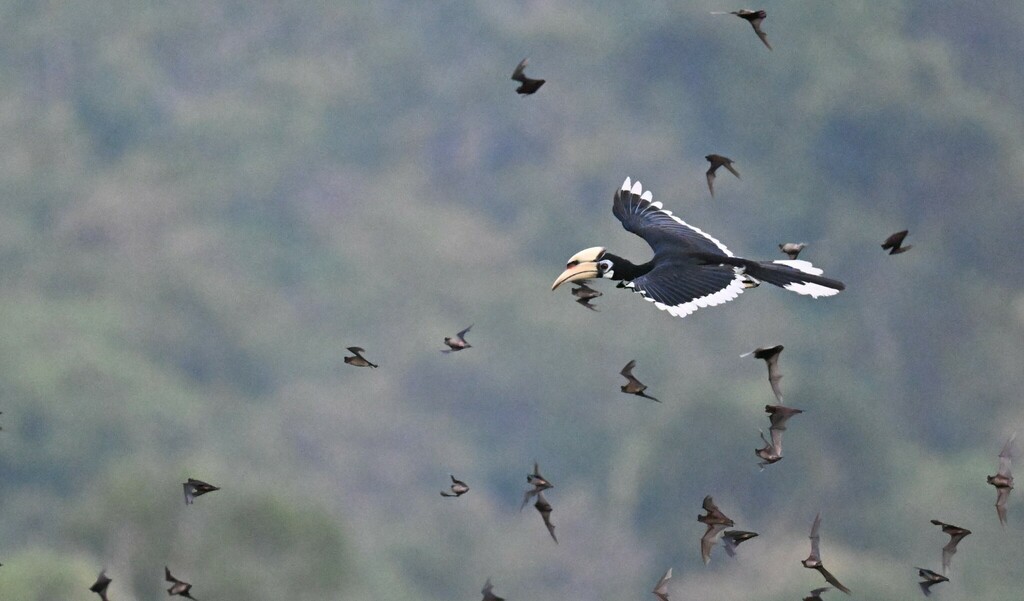 Exotic spotlight
Oriental pied hornbill: the rainforest architect with a hollow casque and a walled-in mate
The female Oriental Pied Hornbill seals herself inside a hollow tree for the entire nesting season, fed through a narrow slit by the male. Found across mainland and island Southeast Asia, the black-and-white hornbill is impossible to miss once you know what the call sounds like. Epic tier, three diamonds.
Read the guide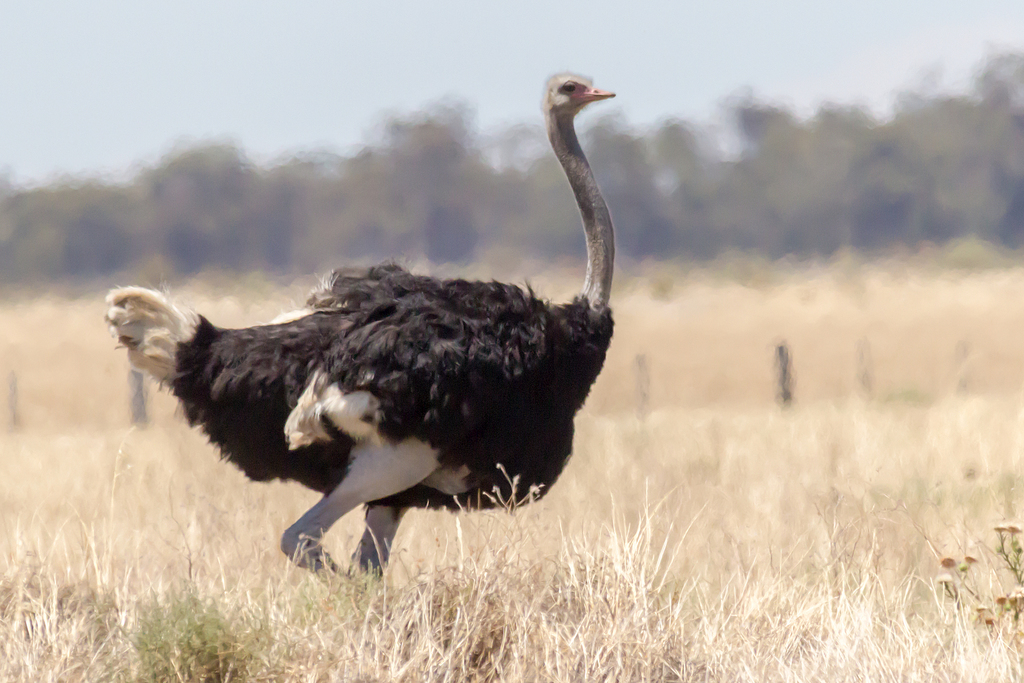 Fun facts
7 most extreme animal parents in the wild
A male that gets pregnant. A parent that fasts for four months in Antarctic winter. An insect that grooms her eggs daily until she dies. Seven animals at the outer edge of parental investment, from cuckoos to earwigs.
Read the guide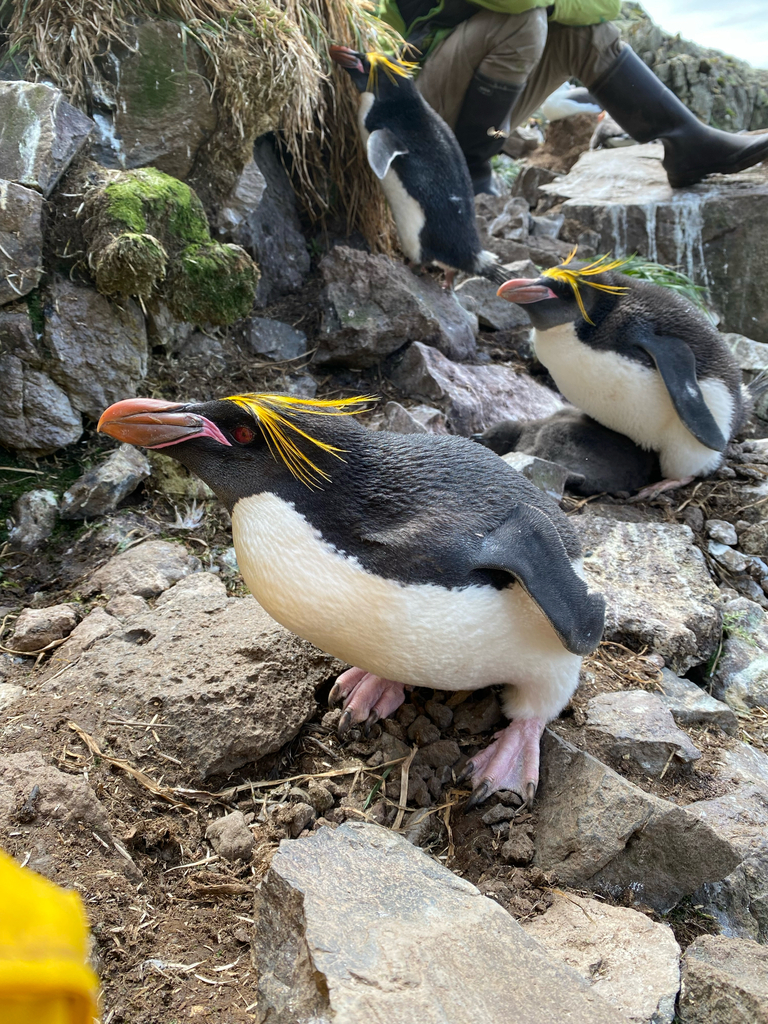 Legendary spotlight
Macaroni penguin: the most abundant penguin on Earth lives in one of its most remote places
Over 18 million macaroni penguins live on remote sub-Antarctic islands almost never visited by observers. That is why the most numerous penguin on Earth is Legendary tier in Kaught: four diamonds.
Read the guide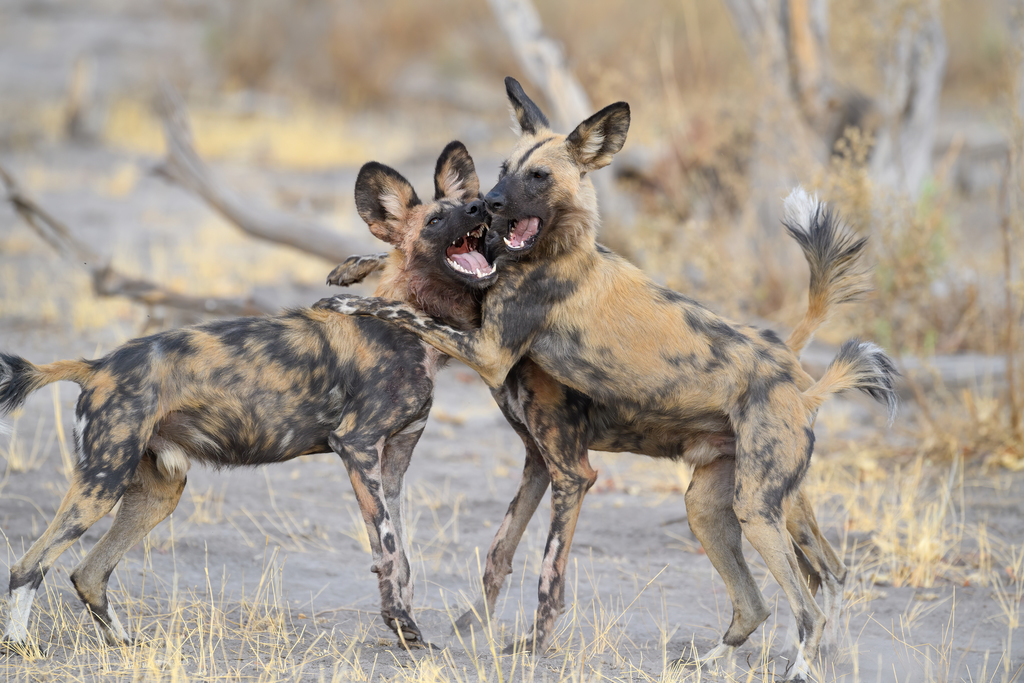 Behaviour explainer
African wild dog: the pack hunter that succeeds where lions and hyenas fail
The African wild dog succeeds on roughly 80% of hunts, more than three times the rate of a lion. Its secret is endurance, rotation and cooperation that treats every pack member as worth keeping alive. Common tier, one diamond.
Read the guide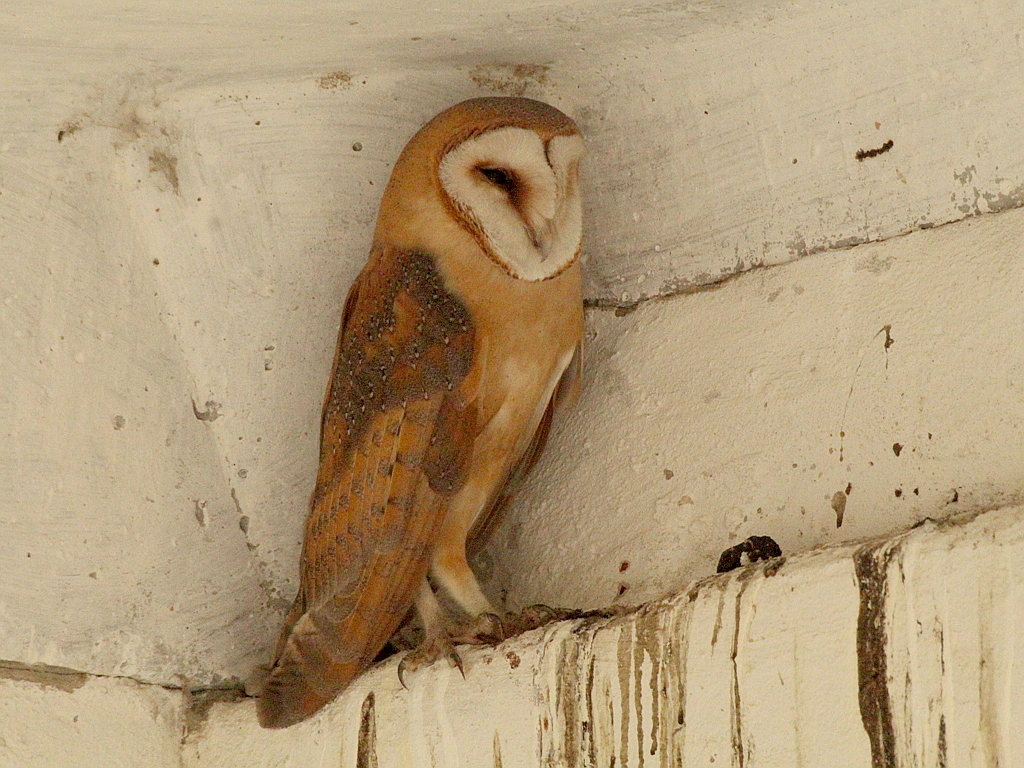 Adaptation explainer
How barn owls hunt in total darkness: the biology of the world's most efficient hearing system
The western barn owl locates prey by sound alone in complete darkness, using asymmetric ears, a parabolic facial disc and a brain that processes the time difference between each ear to just 1 microsecond. Epic tier, three diamonds.
Read the guide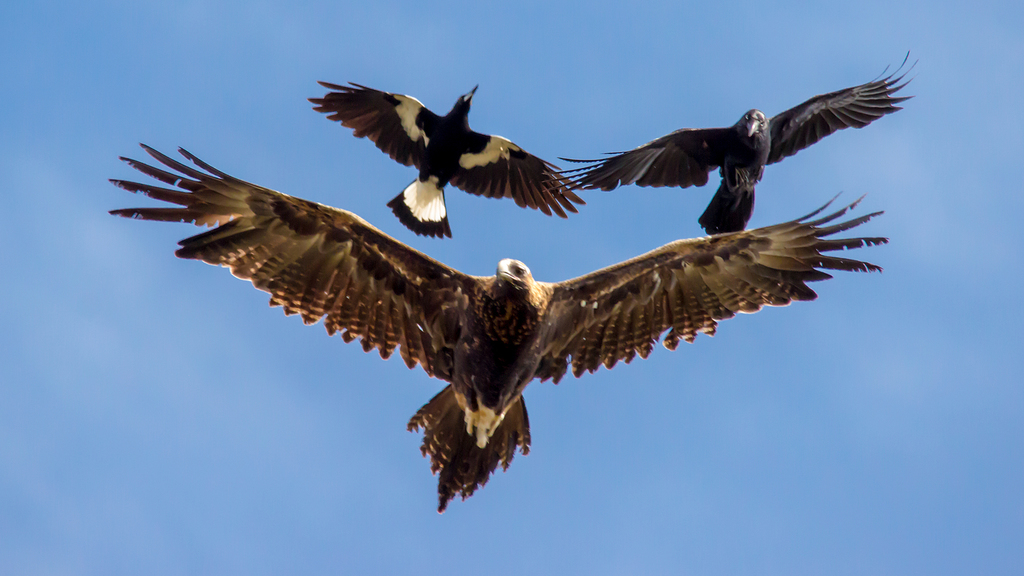 Exotic spotlight
Wedge-tailed eagle: Australia's apex raptor and the southern hemisphere's largest eagle
Aquila audax has a wingspan of up to 2.3 m, hunts kangaroos in cooperative pairs, and soars on thermals to altitudes that keep it invisible from the ground. Epic tier, three diamonds. Australia and southern New Guinea.
Read the guide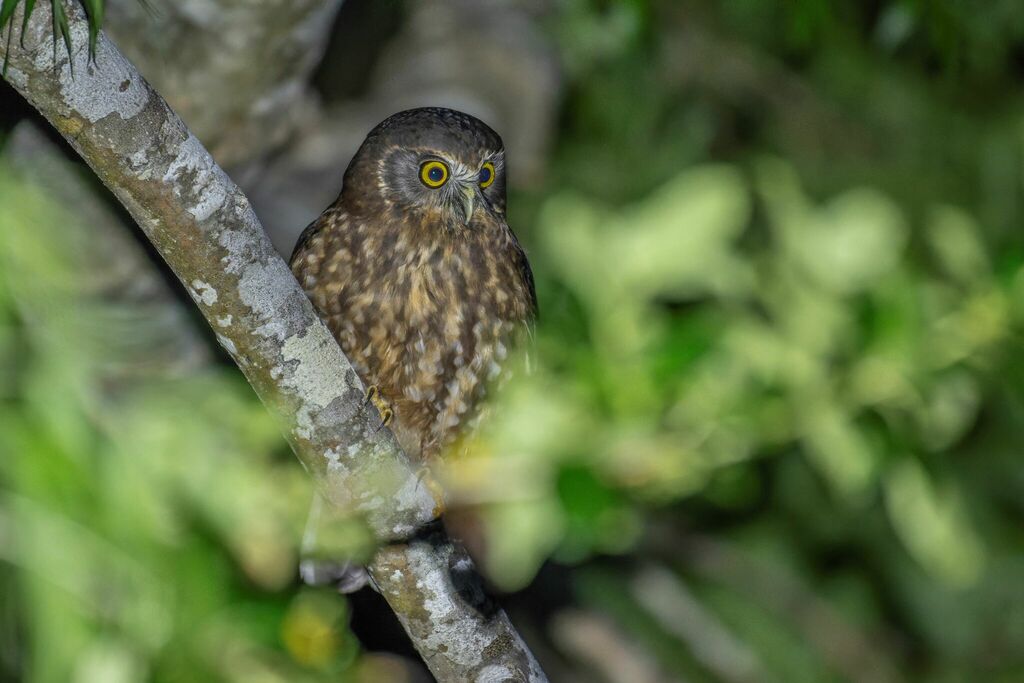 Legendary spotlight
Morepork: New Zealand's last native owl
The morepork (ruru in te reo Maori) is the only owl native to New Zealand that still exists. It weighs 160 g, hunts weta and lizards by night, and names itself with a two-note call that gave it the same phonetic name in two languages. Legendary tier, four diamonds.
Read the guide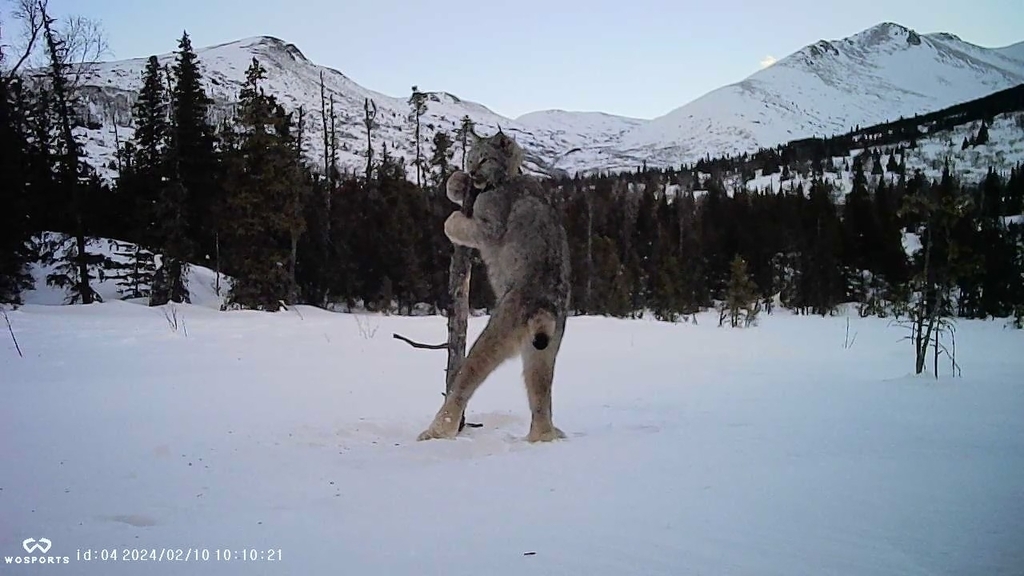 Species spotlight
Canada lynx: the boreal cat built for deep snow
The Canada lynx is one of the most specialised predators in North America: 96% of its diet is snowshoe hare, its population crashes on a strict 10-year cycle, and its outsized padded feet let it walk over snow that stops every competitor. Epic tier, three diamonds.
Read the guide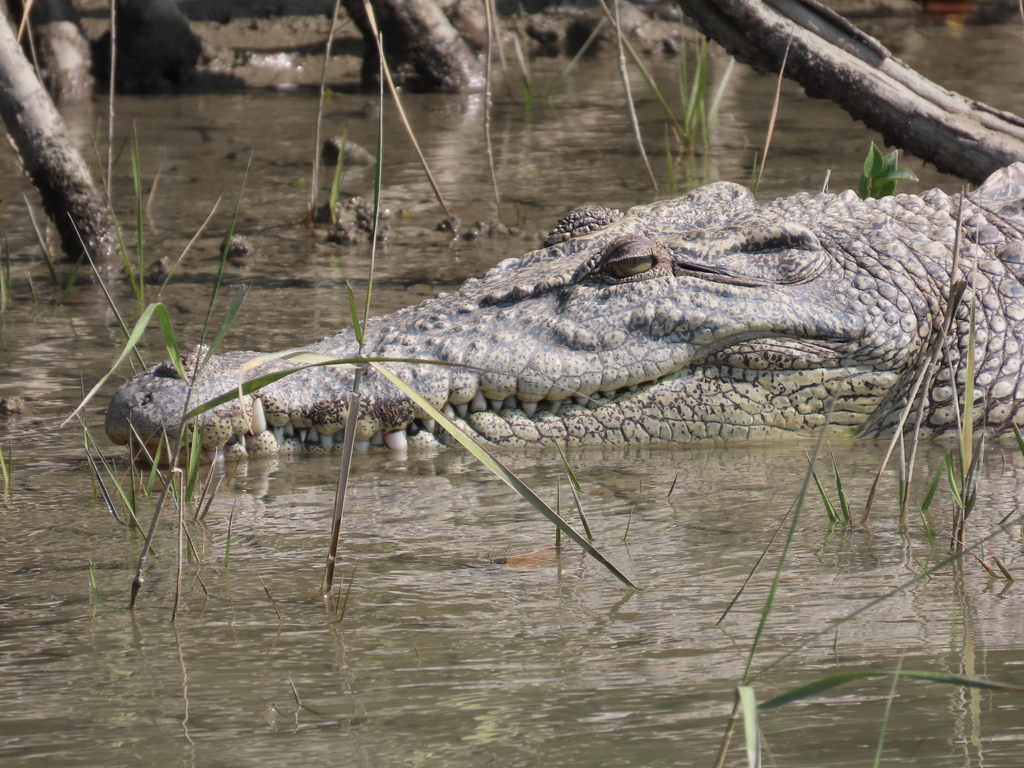 Superlative ranking
Most dangerous animals in the world: 6 ranked
Six animals ranked by the genuine threat they pose through direct physical attack: bite force, body mass, aggression trigger and survivability if the attack connects. The hippo's combination of 3,500 kg, 40 km/h speed and complete unpredictability puts it above animals with higher body counts.
Read the guide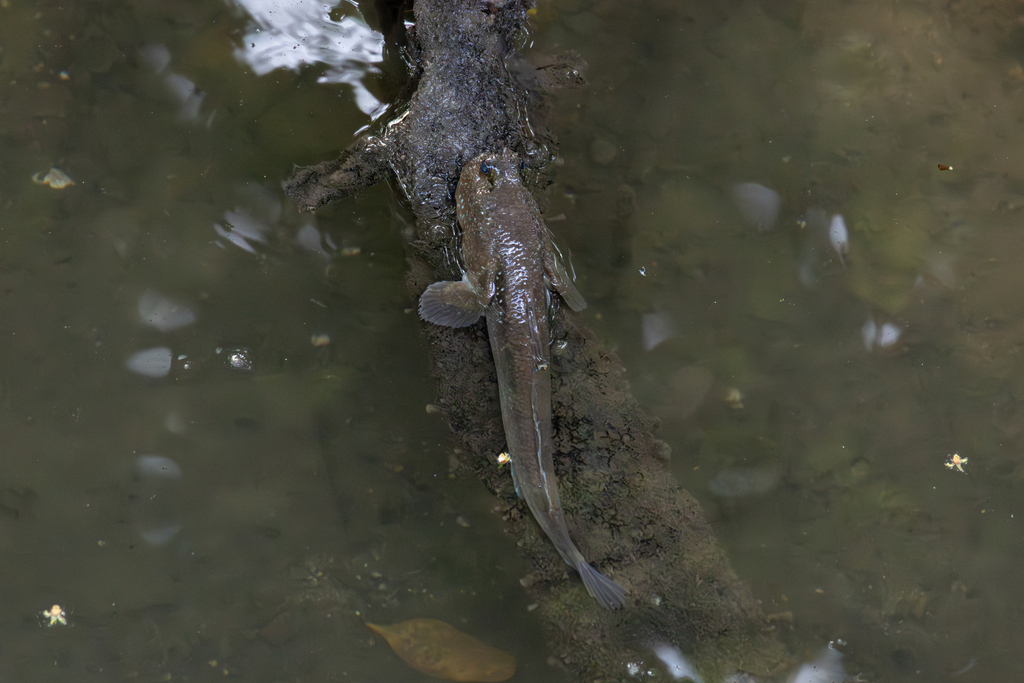 Evolution story
How mudskippers walk on land: the fish that left the water and never fully came back
The giant mudskipper spends most of its life on exposed mud, walking on muscular pectoral fins, breathing through moist skin, and seeing better in air than underwater. It is not ancestral to land vertebrates, but it is the best living model of what the transition from water to land might have looked like. Rare tier, two diamonds.
Read the guide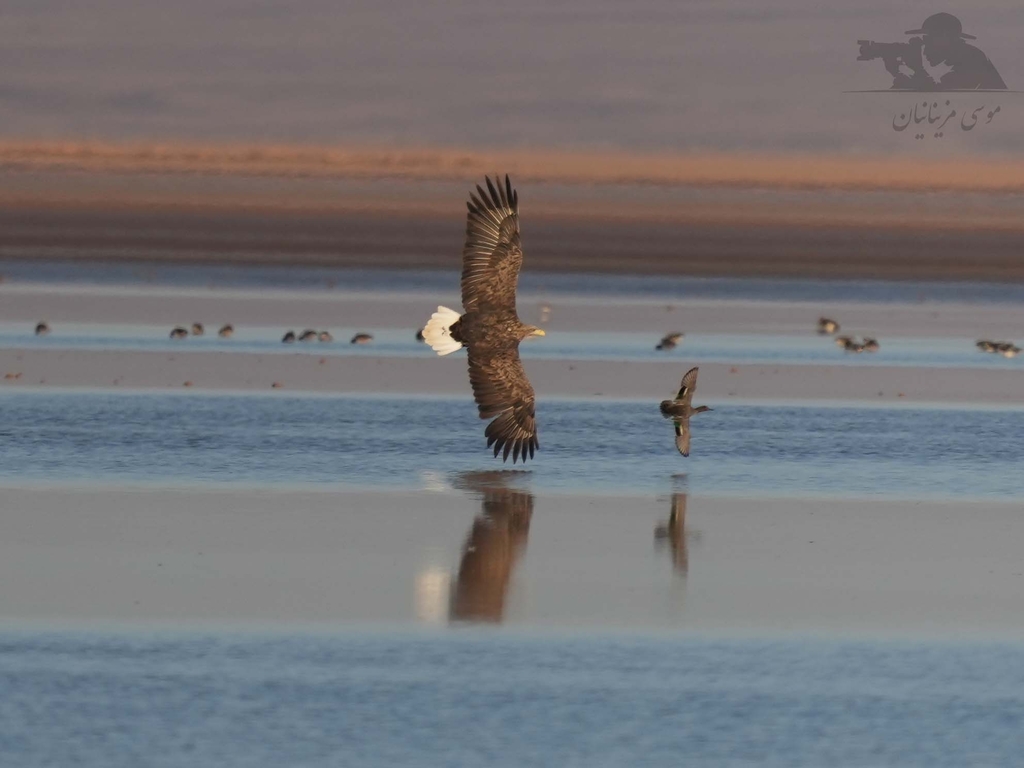 Exotic spotlight
White-tailed eagle: Europe's largest eagle, identified
The white-tailed eagle is the largest eagle in Europe by wingspan, reaching 245 cm. It soars on long flat rectangular wings, hunts fish by gliding low and snatching from the surface, and takes five years to grow its distinctive white tail. Epic tier, three diamonds.
Read the guide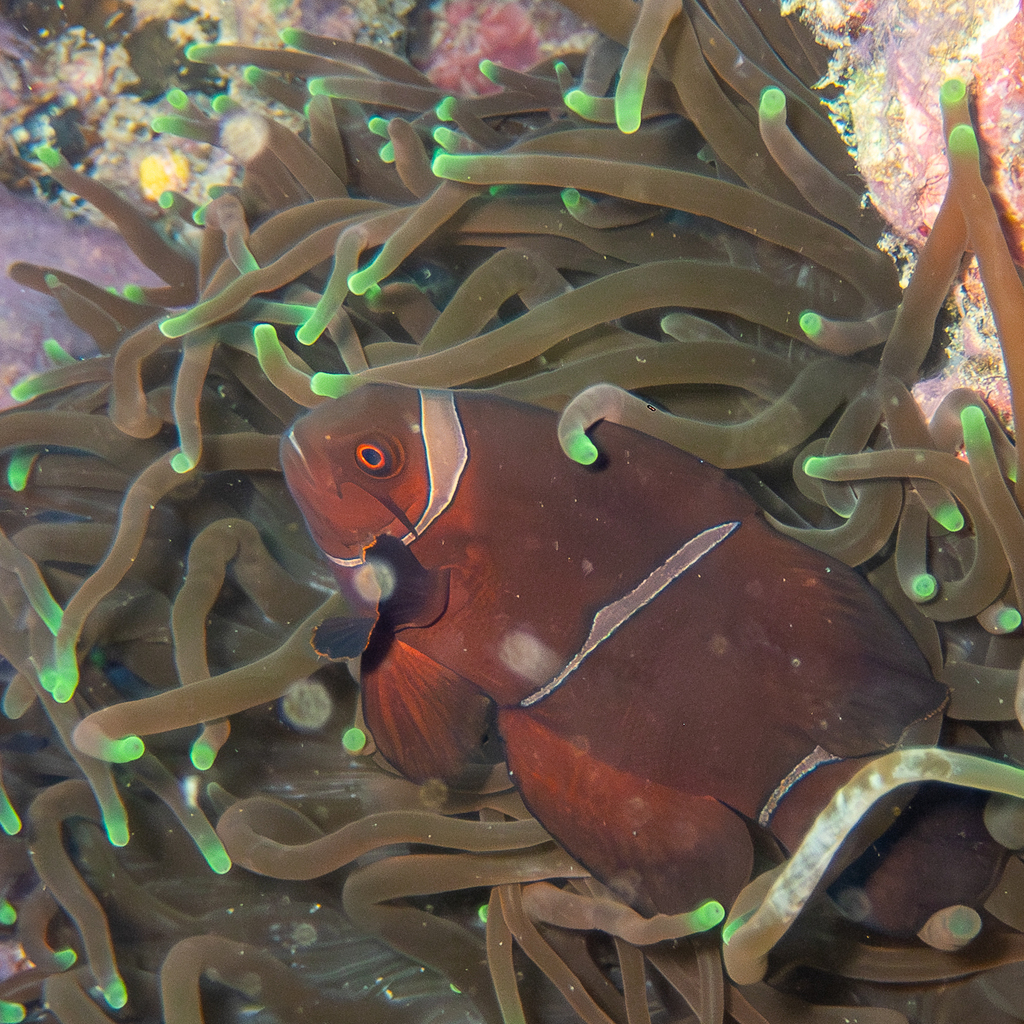 Habitat guide
What animals live on a coral reef? 6 species ranked by rarity
Six coral reef animals from spine-cheek clownfish to mantis shrimp, each with a rarity tier from the Kaught catalog. Includes the moray with a second set of jaws inside its throat, the fastest fish in shallow water, the world's most venomous fish, and a crustacean whose punch creates a cavitation bubble.
Read the guide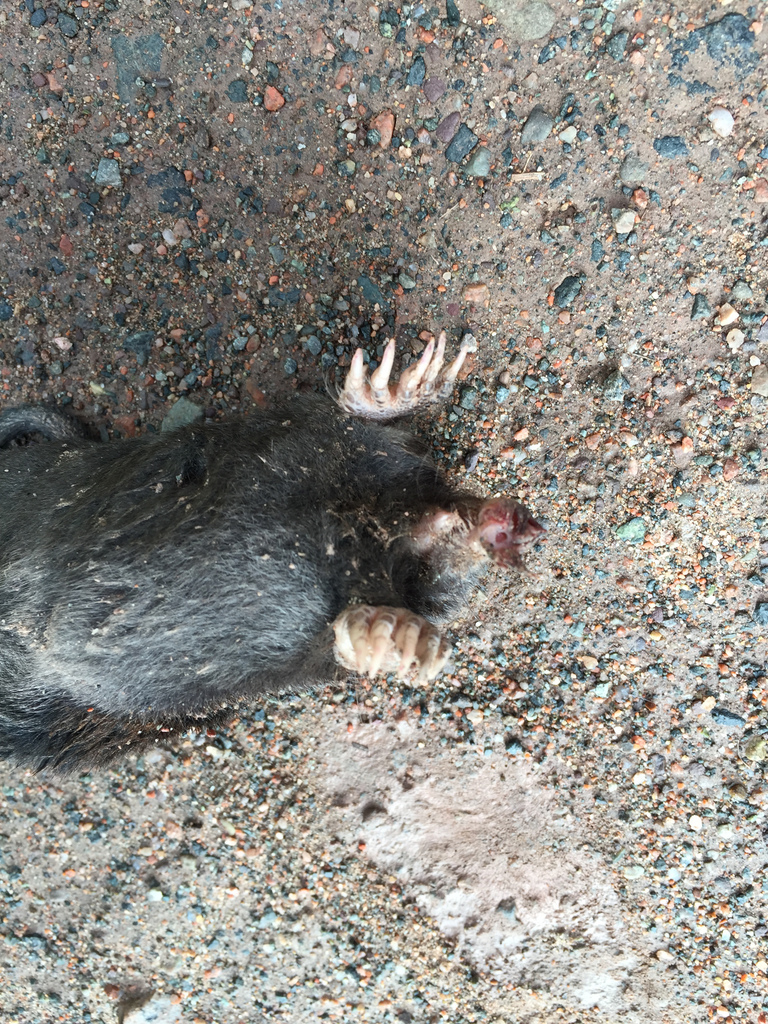 Fun facts
7 animals with extreme senses: real superpowers the biology can explain
Seven animals with sensory systems beyond human biology: a mole that identifies prey in 120 ms using 25,000 touch receptors, a shrimp with 16-colour vision, a bat that reads moth species from an echo, a platypus that hunts entirely by electric field, a bird that sees magnetic north, a snake that maps heat in the dark, an octopus that detects polarized light.
Read the guide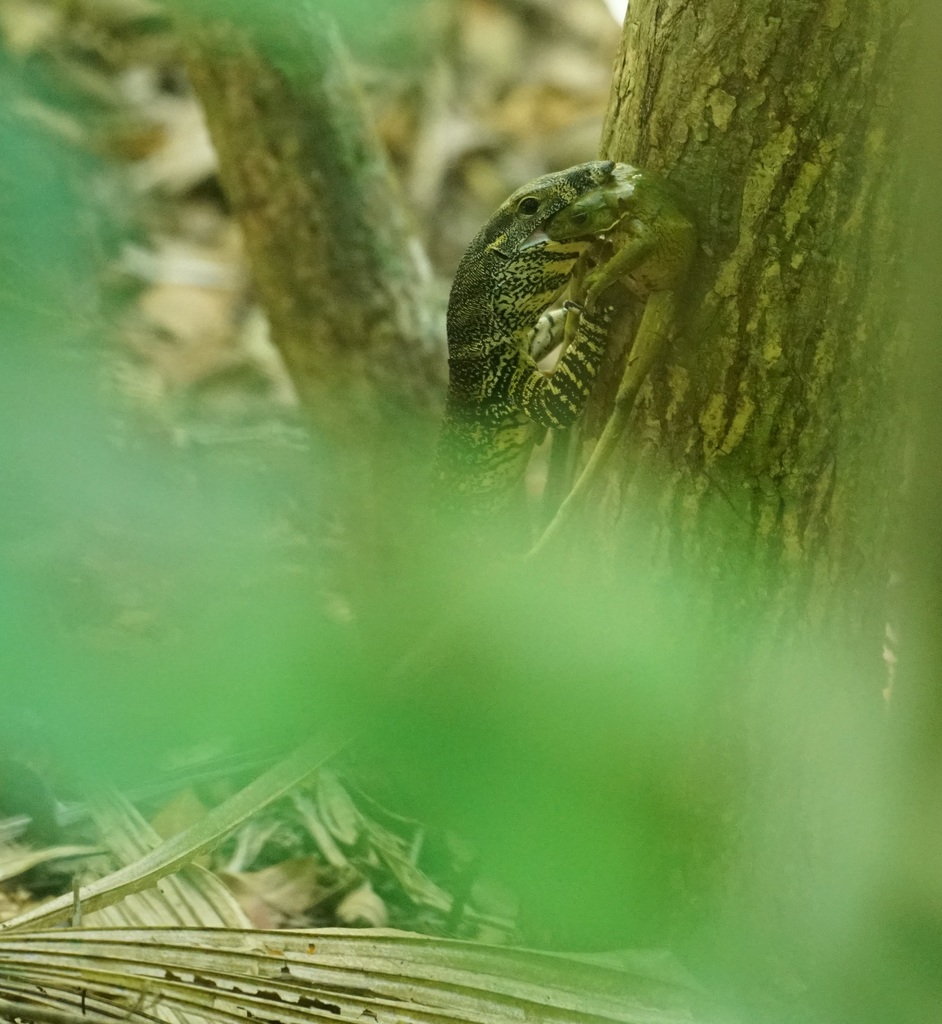 Species spotlight
Lace monitor: Australia's climbing apex lizard that forages like a mammalian predator
The lace monitor reaches 2 metres and 14 kg and is one of Australia's dominant scavengers and predators. It can sprint, climb trees vertically, swim rivers and raid nest boxes. Its forked tongue samples air constantly, building a three-dimensional scent map of its surroundings. Epic tier, three diamonds.
Read the guide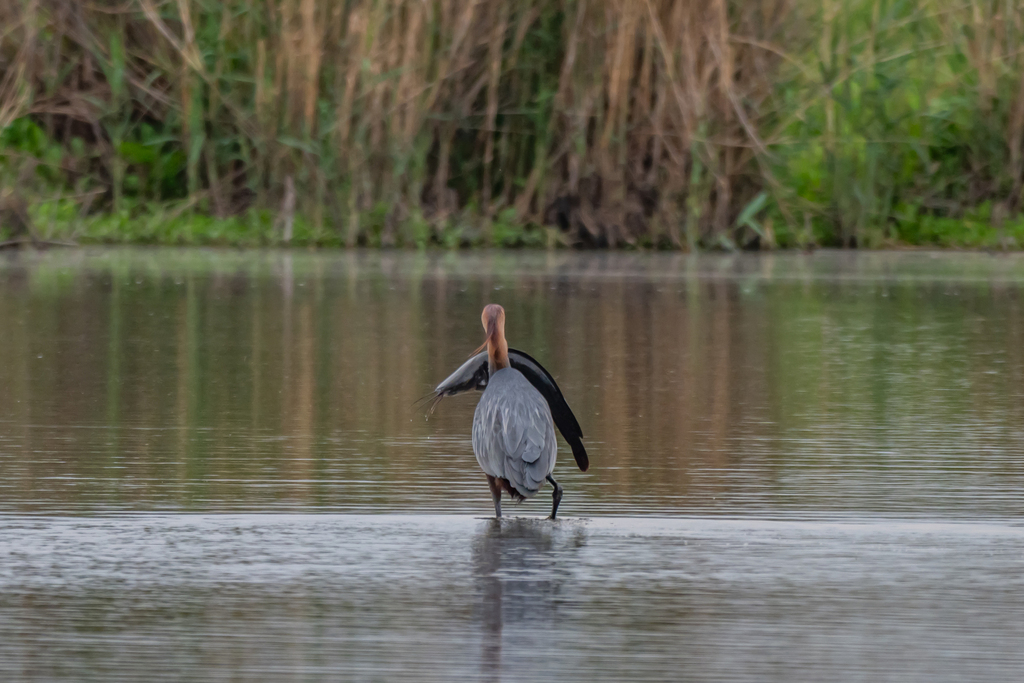 Species spotlight
Goliath heron: Africa's largest wading bird and how it hunts fish too big to swallow quickly
The goliath heron stands 1.5 metres tall with a 2.3-metre wingspan and weighs up to 5 kg, making it the world's largest heron by mass. It hunts fish up to a metre long by standing motionless in shallow water then stabbing with a bill fast enough to skewer prey before it can react. Legendary tier, four diamonds.
Read the guide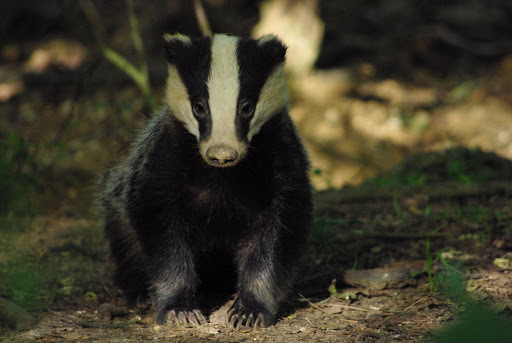 Species spotlight
European badger: ID, habits and how to spot one at a sett
The European badger is the heaviest mustelid in Europe at up to 17 kg and the architect of a tunnel network it may occupy for generations. It eats earthworms by the hundreds on a single night and lives in a social clan of 2 to 23 individuals. Epic tier, three diamonds. Most often spotted on a still dusk near old deciduous woodland.
Read the guide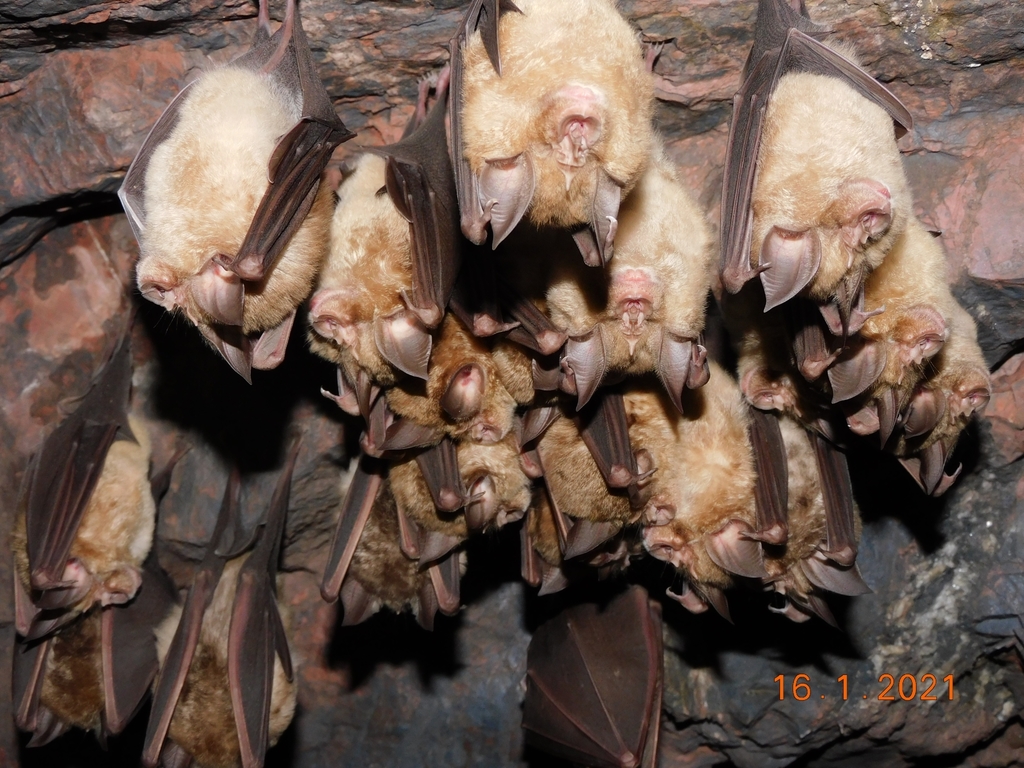 Adaptation explainer
How do bats echolocate? The biology of living sonar
Bats produce ultrasonic pulses inaudible to humans, emit them through the mouth or a specially shaped noseleaf, and build a real-time acoustic map from the returning echoes. The greater horseshoe bat can identify the exact species of moth by reading the wingbeat pattern in the echo. Common tier, one diamond.
Read the guide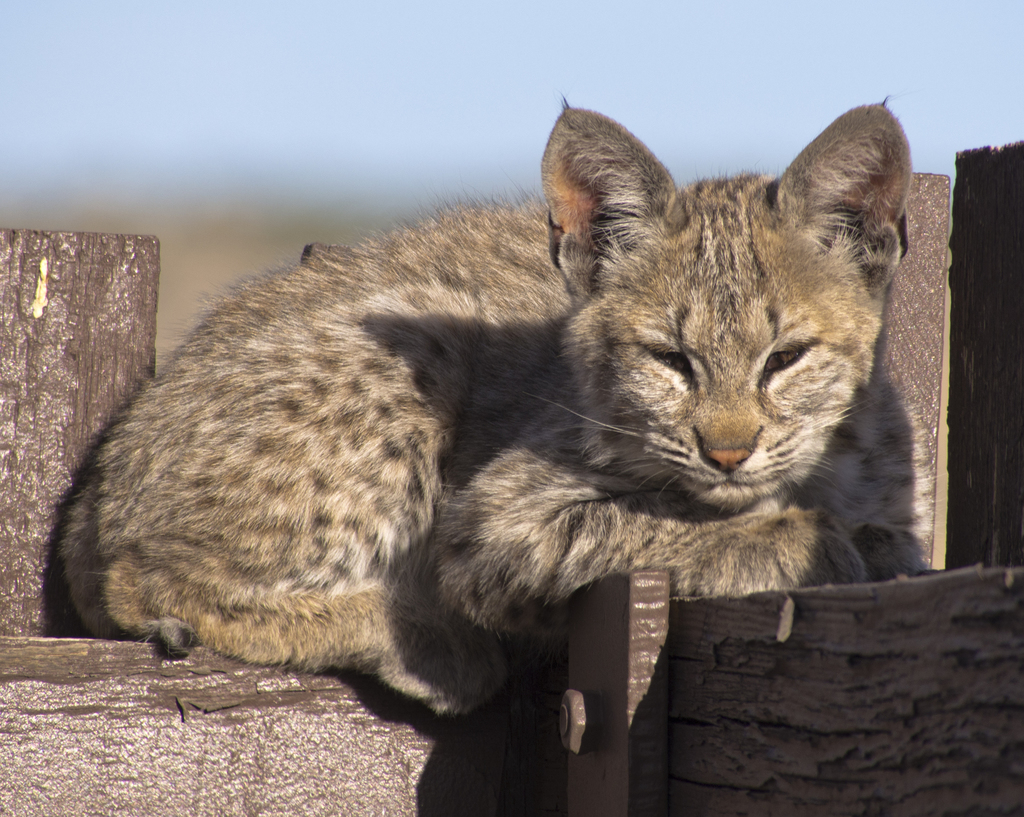 Species spotlight
Bobcat: the wild cat hiding in plain sight across North America
The bobcat is the most common wild cat in North America, found from southern Canada to Mexico in every habitat on the continent. Yet it is strictly nocturnal and so secretive that most people who live alongside one will never see it. Epic tier in the Kaught catalog, three diamonds.
Read the guide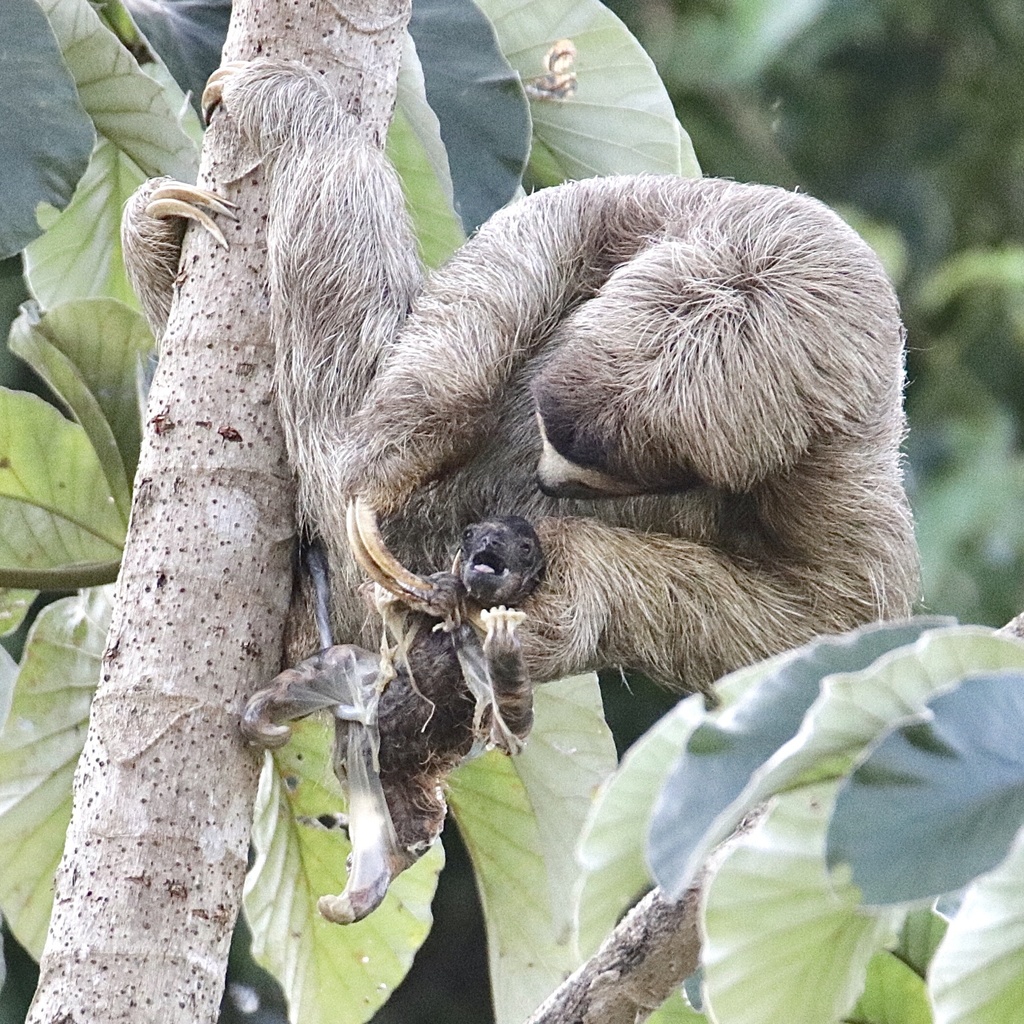 Superlative ranking
Slowest animals in the world: 6 record-holders ranked
Three-toed sloth at 0.03 mph. Garden snail at 0.03 mph. Seahorse at 1.5 m per hour. Six species ranked by verified locomotion speed, from the slowest mammal on Earth to the slowest fish. Each carries a full Kaught catalog card. Slowness, it turns out, is a serious survival strategy.
Read the guide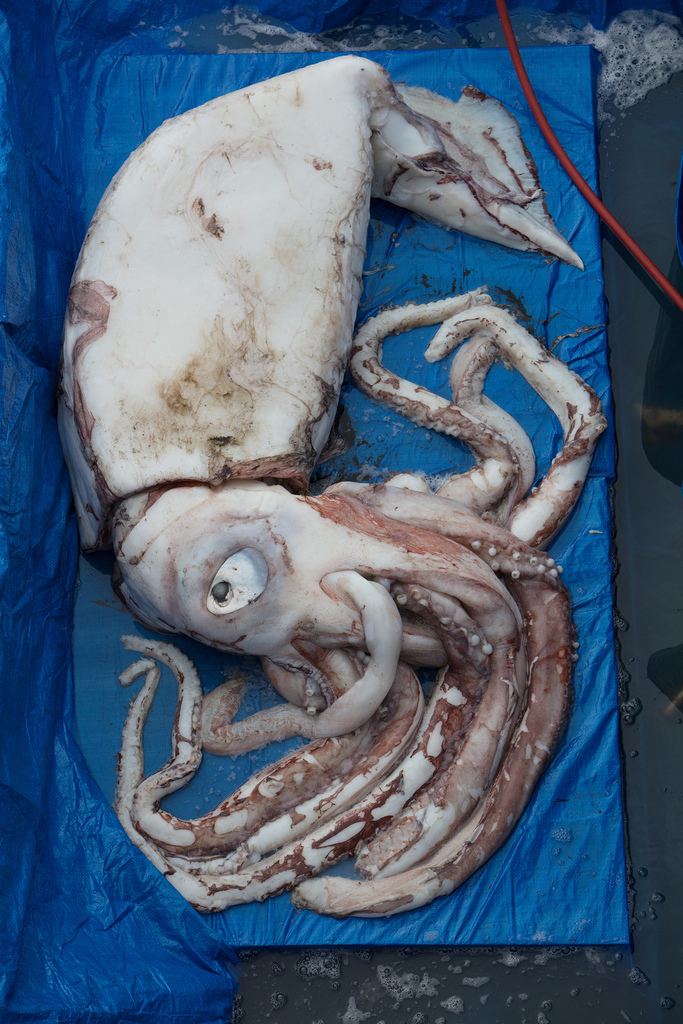 Exotic spotlight
Giant Squid: the deep-sea animal with eyes the size of dinner plates
The largest invertebrate on Earth reaches 13 m and 275 kg, yet only around 57 individuals have ever been recorded on iNaturalist. Its 30 cm eyes, the largest of any living animal, evolved to detect the bioluminescent halo of approaching sperm whales in total darkness. Epic tier, three diamonds.
Read the guide Exotic spotlight
Green Anaconda: the heaviest snake on Earth, identified
The green anaconda of the Amazon Basin reaches 8.8 m and 250 kg, making it the heaviest snake on Earth. A non-venomous constrictor, it waits motionless at the waterline before ambushing prey including caimans. Rare tier in the Kaught catalog, two diamonds. South America.
Read the guide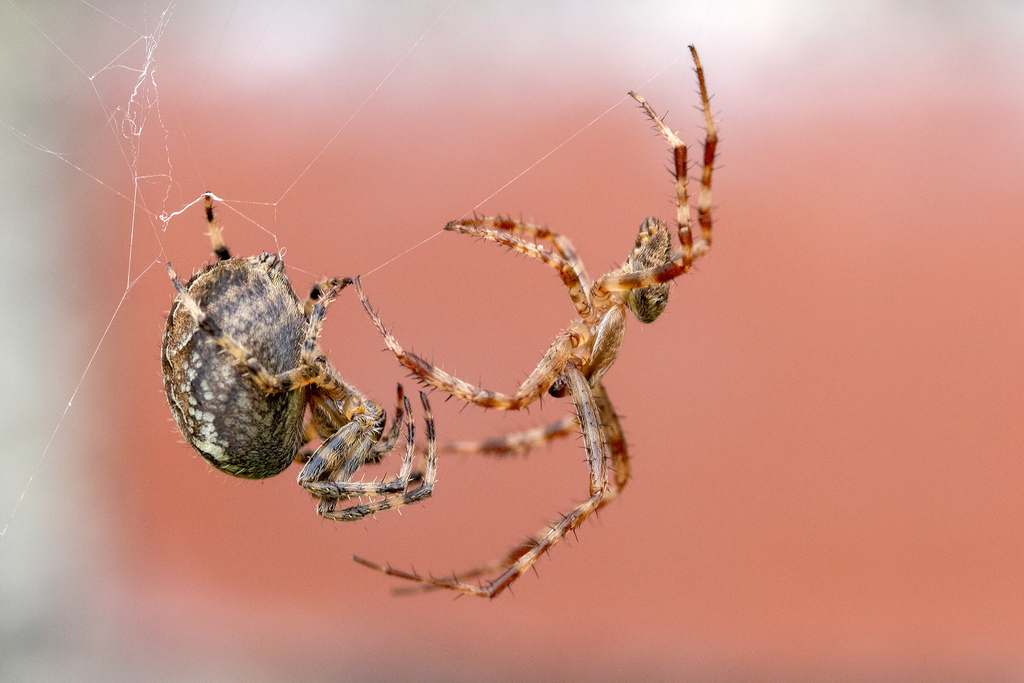 Adaptation explainer
How do spiders spin silk? The biology of the strongest material in nature
Spider silk is a liquid protein that self-assembles into a fibre stronger by weight than steel as it leaves the spinneret. One garden spider produces up to seven distinct silk types from different glands, each optimised for a specific task. The cross orbweaver, Common tier, one diamond.
Read the guide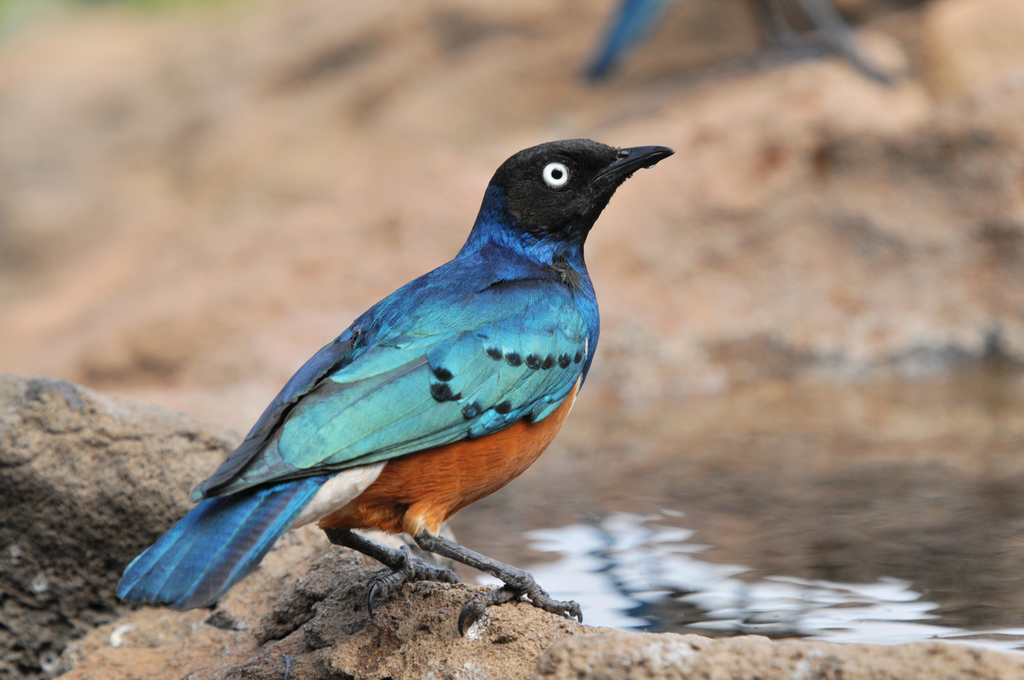 Species spotlight
Superb Starling: East Africa's most iridescent bird, and how that colour works
The superb starling's metallic blue-green sheen is structural, produced by nanostructured melanin rods in each feather barb, not by pigment. Found in East African acacia savanna from Ethiopia to Tanzania. Legendary tier in the Kaught catalog, four diamonds.
Read the guide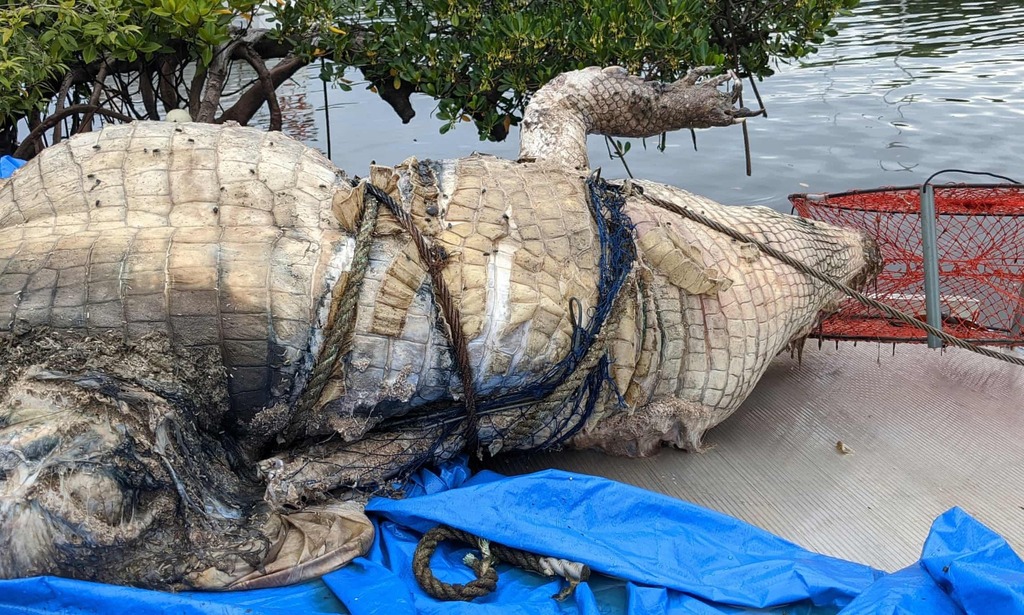 Superlative ranking
Strongest animal bites in the world: 6 jaw-force record-holders ranked
Saltwater crocodile at 16,000 N. Hippo at 8,100 N. Jaguar with a skull-crushing bite that outperforms lions three times its size. Six animals ranked by measured jaw force from comparative biomechanics research, each with a full Kaught catalog card.
Read the guide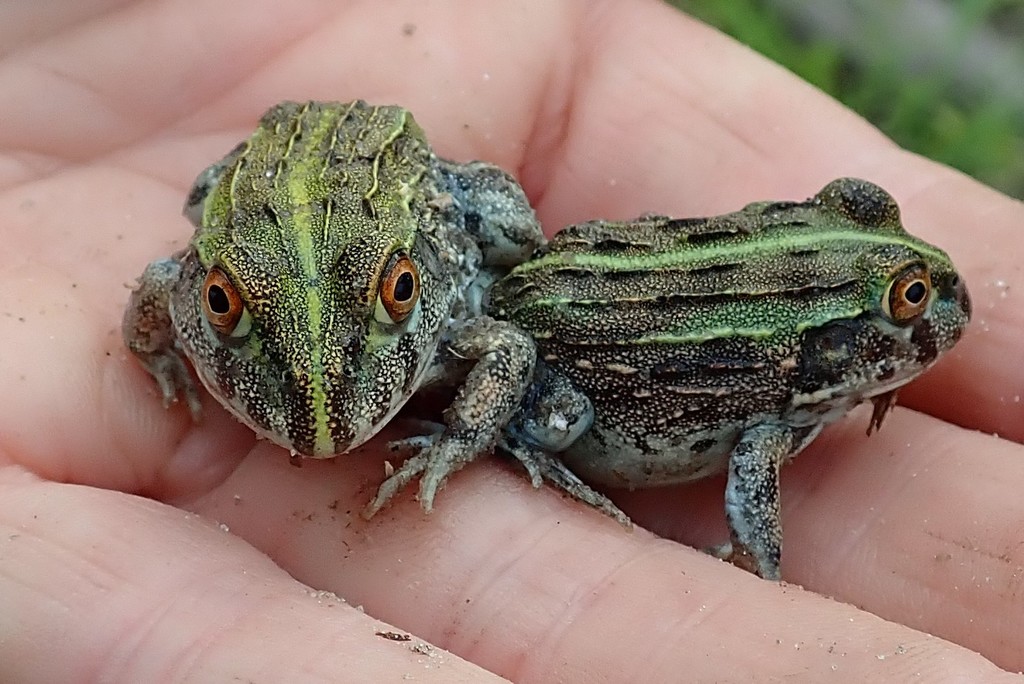 Exotic spotlight
Giant African Bullfrog: Africa's heaviest frog eats snakes and guards its young
Males reach 23 cm and 1.4 kg. Females are half that size. The giant African bullfrog ambushes prey including snakes, guards its tadpoles against predators, and spends the dry season sealed underground in a mucous cocoon. Epic tier, three diamonds. Sub-Saharan savanna.
Read the guide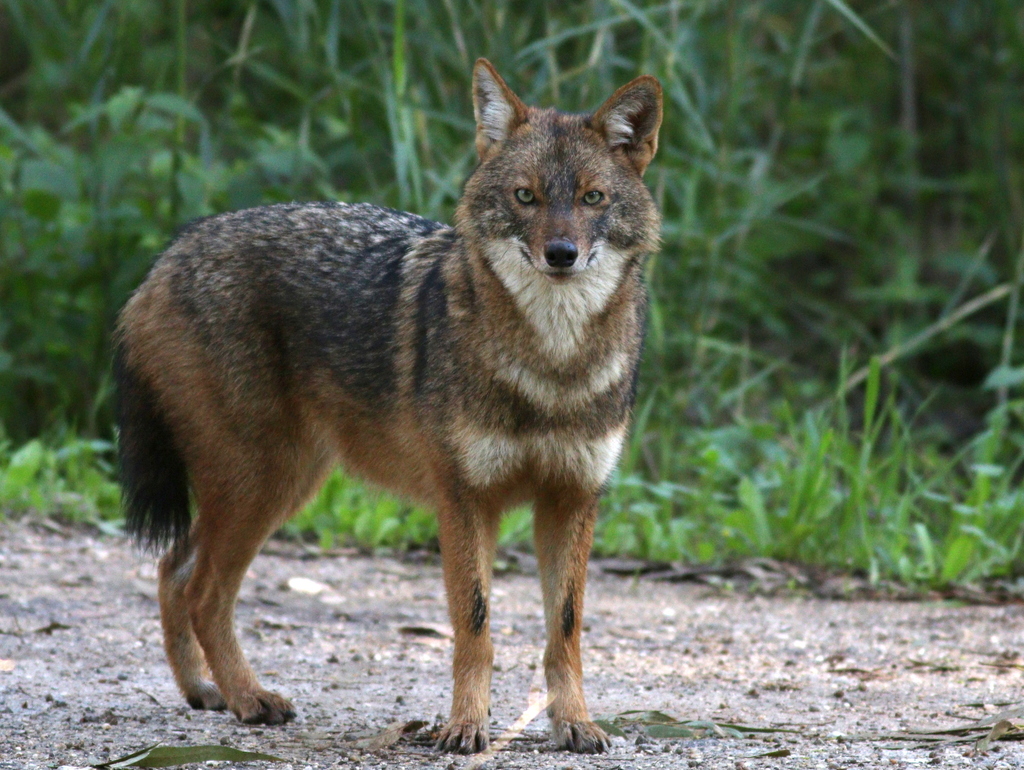 Evolution story
Golden Jackal: the wild dog that DNA proved was never really a jackal
DNA analysis in 2015 confirmed the Eurasian golden jackal is more closely related to wolves and coyotes than to any African jackal. It has expanded from Asia into western Europe within living memory. Epic tier in the Kaught catalog, three diamonds. How to tell it from a fox or wolf.
Read the guide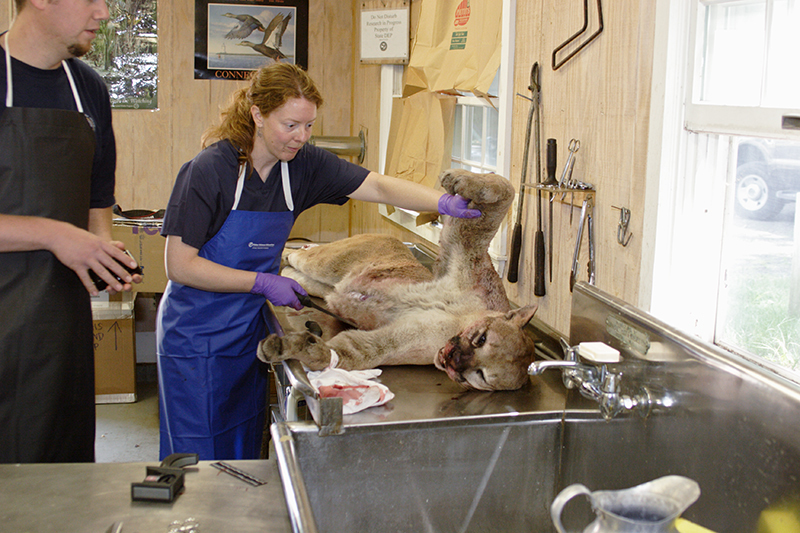 Legendary spotlight
Mountain Lion: the most widespread wild cat on Earth, and the one almost nobody sees
Puma concolor ranges from Canada to Patagonia in every habitat type. It holds the Guinness record for the most English names of any animal: over 40. Despite that enormous range, confirmed sightings are rare. Epic tier, three diamonds. How to read its tracks.
Read the guide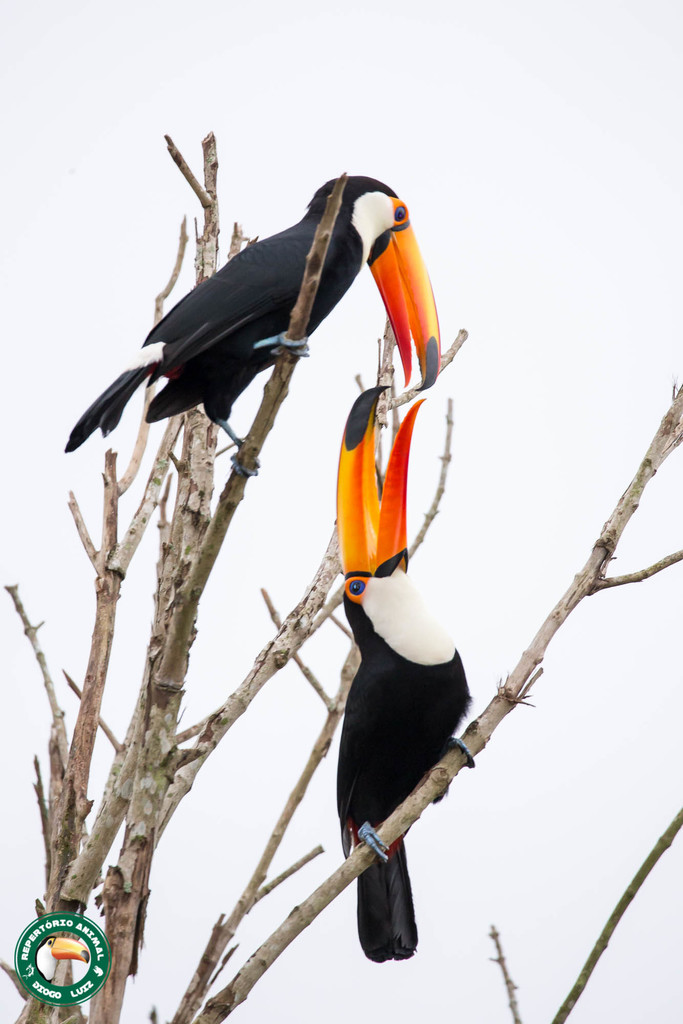 Species spotlight
Toco Toucan: what that enormous bill is actually for
The bill covers 40% of its surface area but weighs only 5% of its body. It is not for fighting or fruit cracking. It is a thermal radiator. South America's most recognised bird is one of its least understood. Epic tier in Kaught, three diamonds.
Read the guide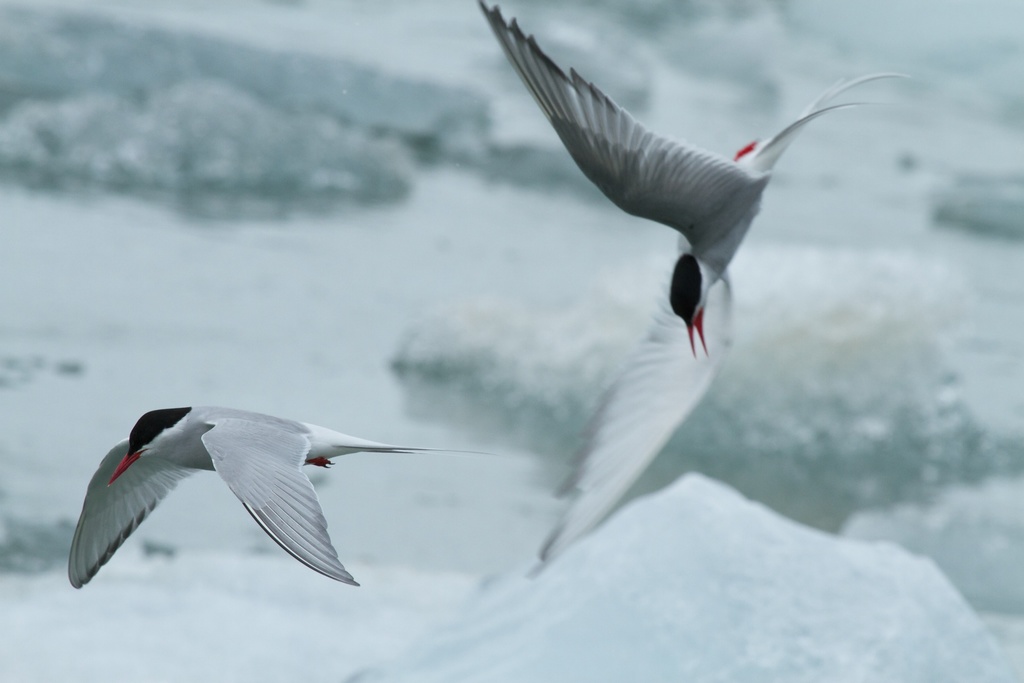 Record holders
Longest animal migrations: 5 species ranked by distance travelled each year
An Arctic Tern covers 90,000 km a year, pole to pole and back. A Bar-tailed Godwit flies 11,500 km non-stop from Alaska to New Zealand. Five species, five different strategies, one question: why bother?
Read the guide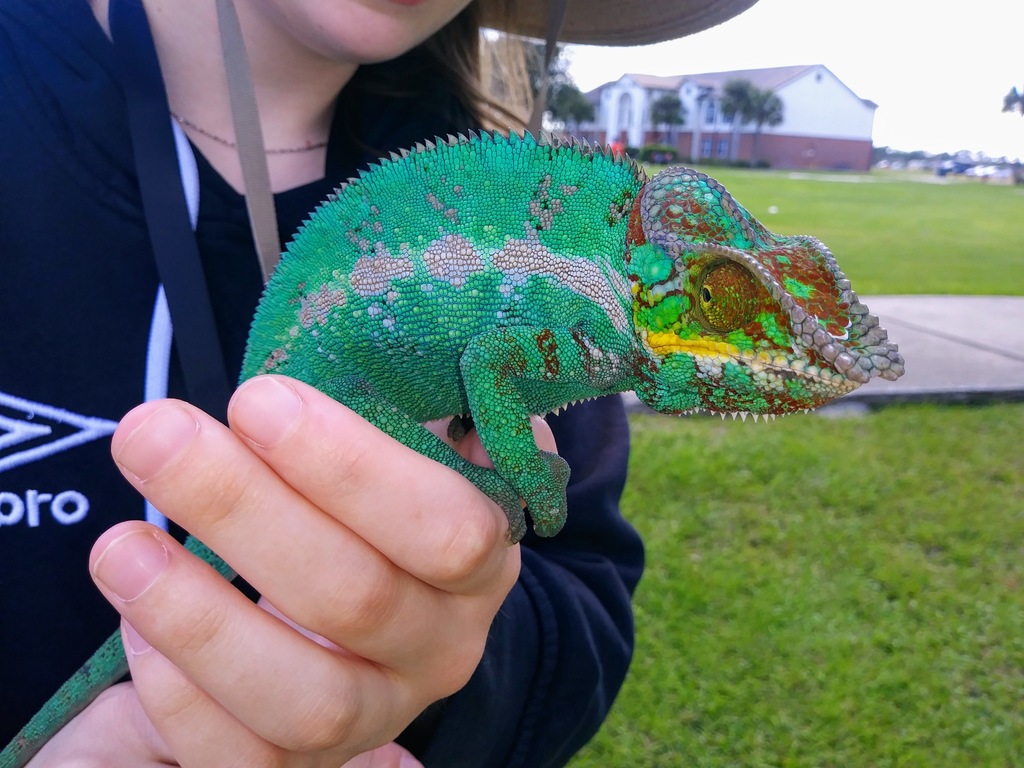 Adaptation explainer
How chameleons change colour: it is not pigment, it is physics
Chameleons do not inject colour. They change the spacing of crystal lattices in their skin. The result shifts reflected wavelengths from green to red in seconds. The Panther Chameleon, Furcifer pardalis, is the best-documented example. Rare tier, two diamonds.
Read the guide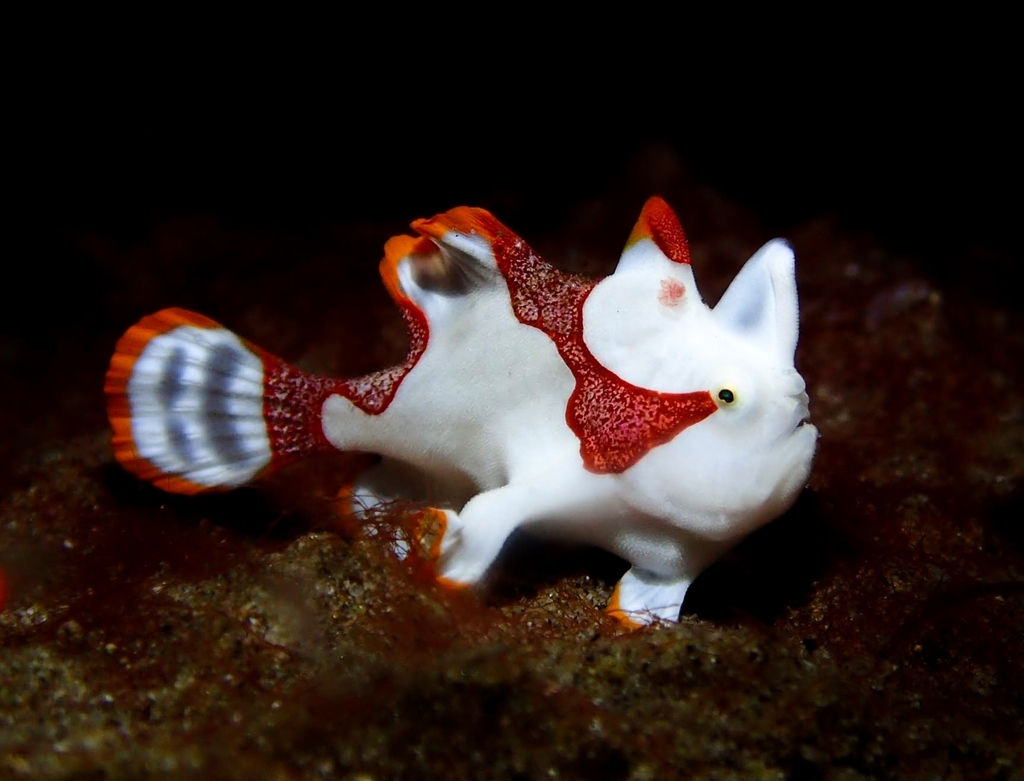 Exotic spotlight
Warty Anglerfish: the reef fish that walks, fishes, and becomes its background
Antennarius maculatus hunts with a lure on its forehead, walks on pectoral fins along the reef floor, and can shift its colour over days to match surrounding sponges. Epic tier, three diamonds. Found across the Indo-Pacific and Red Sea.
Read the guide Adaptation explainer
Coyote: how North America's most adaptable predator conquered the city
While every other large predator retreated, the coyote expanded. Its range has tripled since European settlement. It now lives in New York, Los Angeles, Chicago and Toronto. An Epic-tier predator hiding in plain sight after midnight. Three diamonds.
Read the guide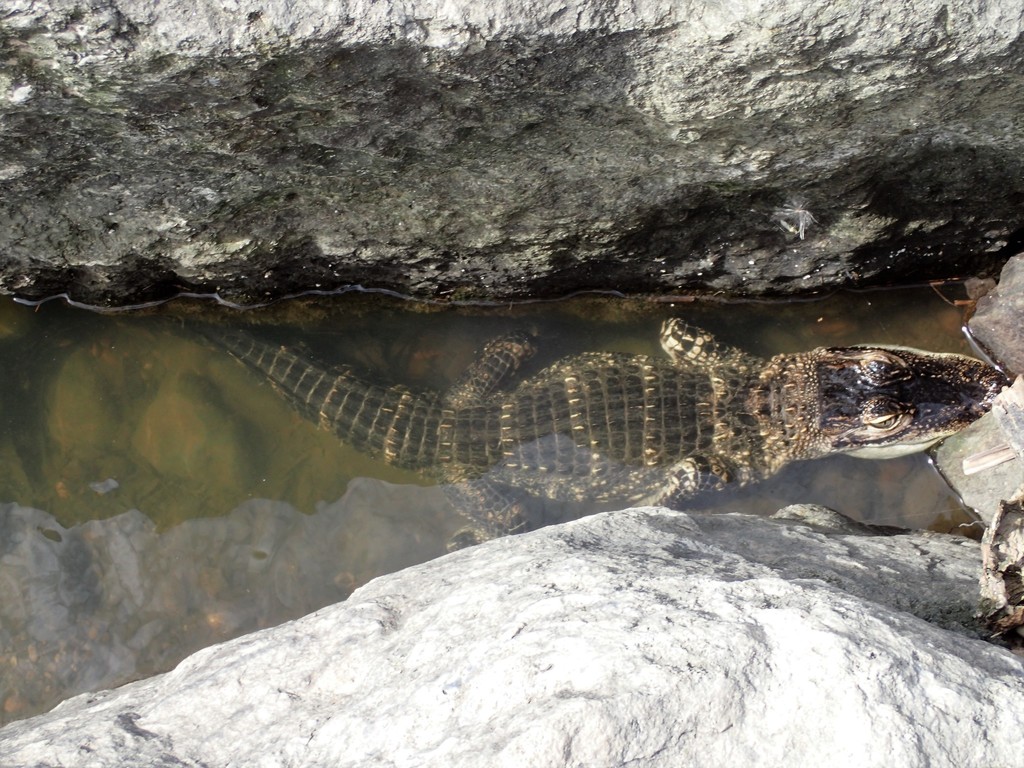 Species spotlight
American Alligator: the apex reptile of the American South, identified
U-shaped snout, hidden lower teeth, up to 4.6 m and 450 kg. A 220-million-year lineage that survived every mass extinction. Nest temperature determines sex. Epic tier, three diamonds. Found from the Florida Everglades to North Carolina.
Read the guide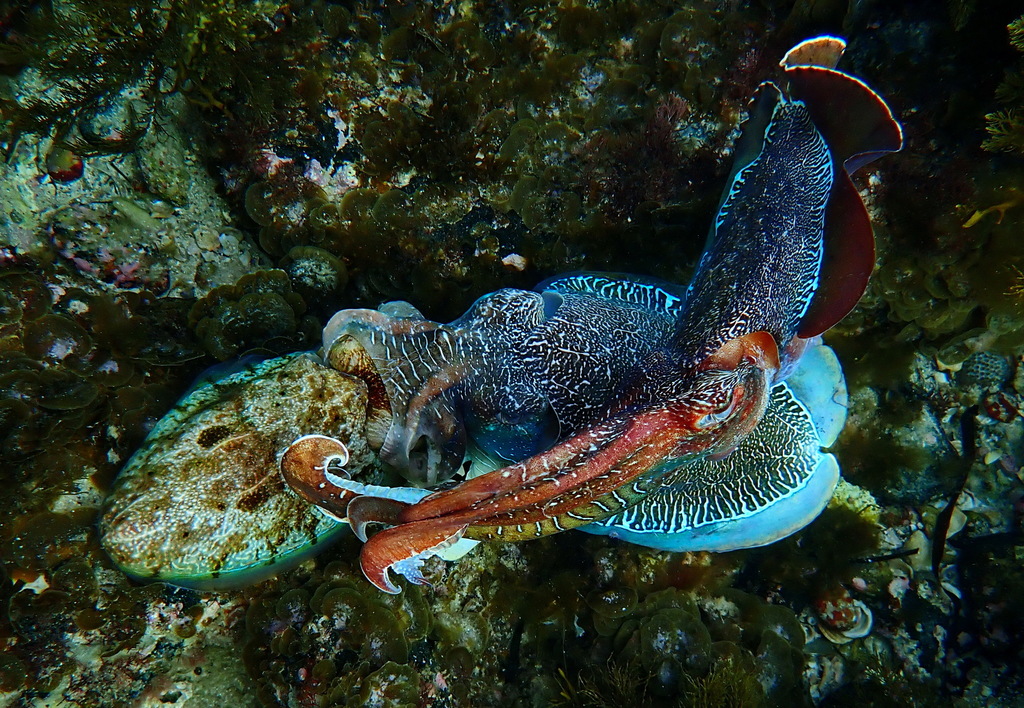 Exotic spotlight
Australian Giant Cuttlefish: the world's largest cuttlefish turns Spencer Gulf electric
The world's largest cuttlefish by mass, up to 10.5 kg. Tens of thousands aggregate at Point Lowly, South Australia, each winter. Males switch between shimmering courtship displays and female mimicry in the same breath. Rare tier.
Read the guide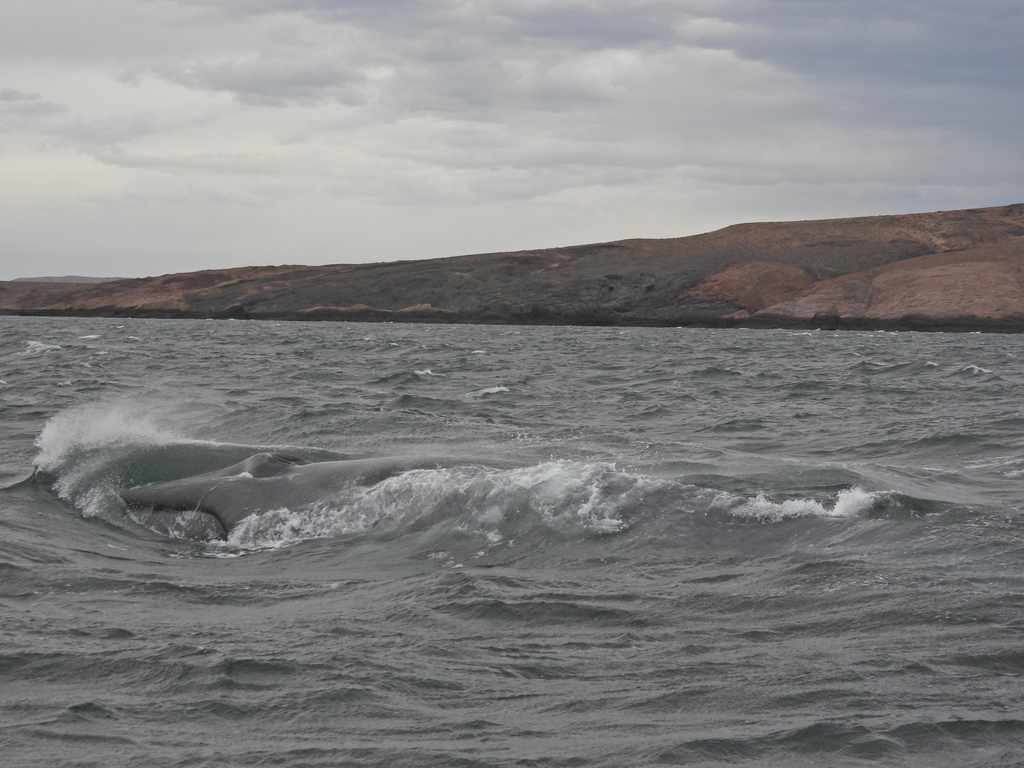 Superlative ranking
Heaviest animals in the world: 7 record-holders ranked by mass
Blue Whale at 190,000 kg. African Savanna Elephant at 6,000 kg. Saltwater Crocodile at 1,000 kg. Seven confirmed mass records from the Kaught catalog, each backed by field data. The biology of being enormous.
Read the guide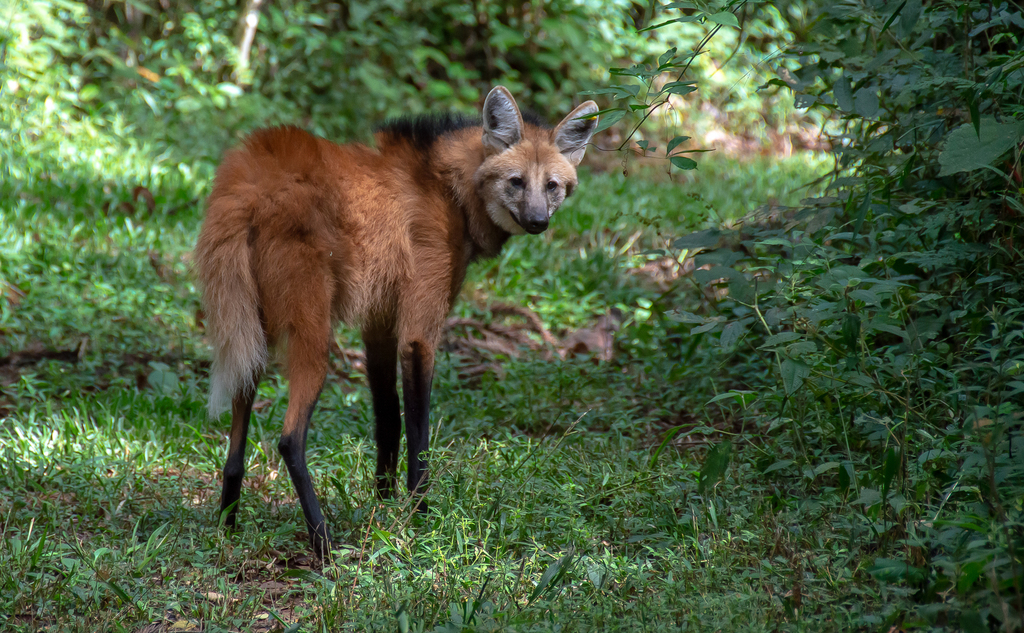 Evolution story
Maned Wolf: the long-legged canid that is not a wolf, fox or dog
Legs evolved to see above tall cerrado grass, not to outrun prey. Up to 50 % of the diet is fruit. The roar-bark travels 5 km. The only species in its genus. Rare tier in the Kaught catalog, two diamonds.
Read the guide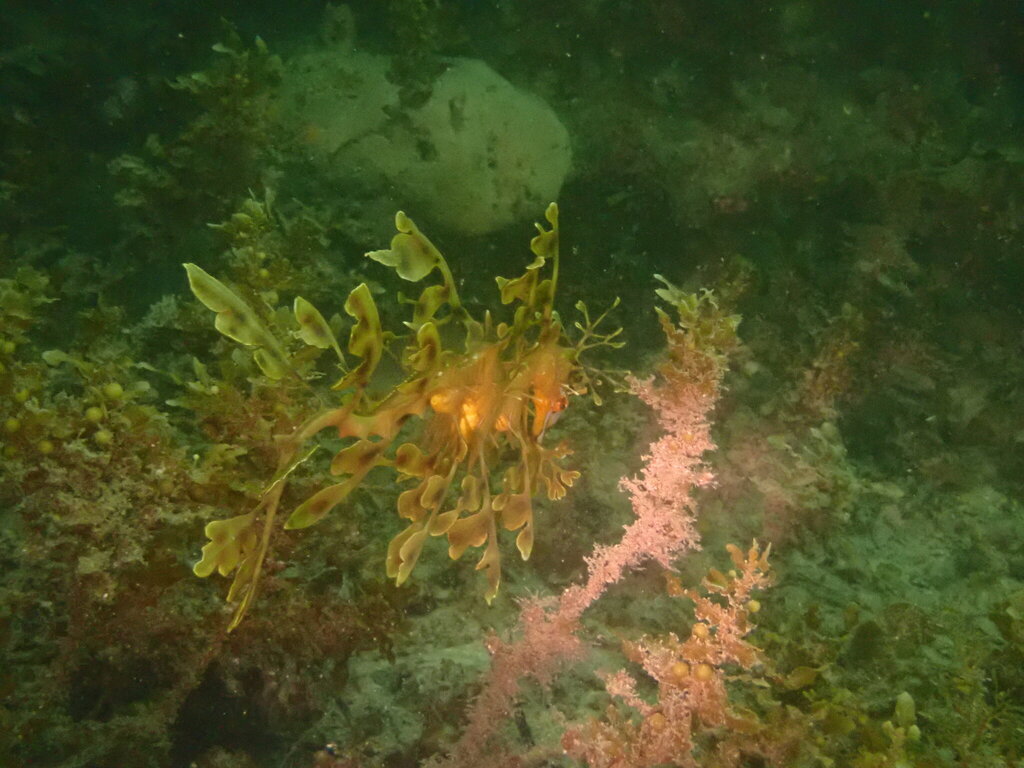 Adaptation explainer
Leafy Seadragon: how a fish evolved to look exactly like floating seaweed
Elaborate leaf-like appendages that play zero role in swimming. A transparent dorsal fin beating 70 times per second. Endemic to southern Australia. The most extreme body-shape camouflage in any vertebrate. Rare tier.
Read the guide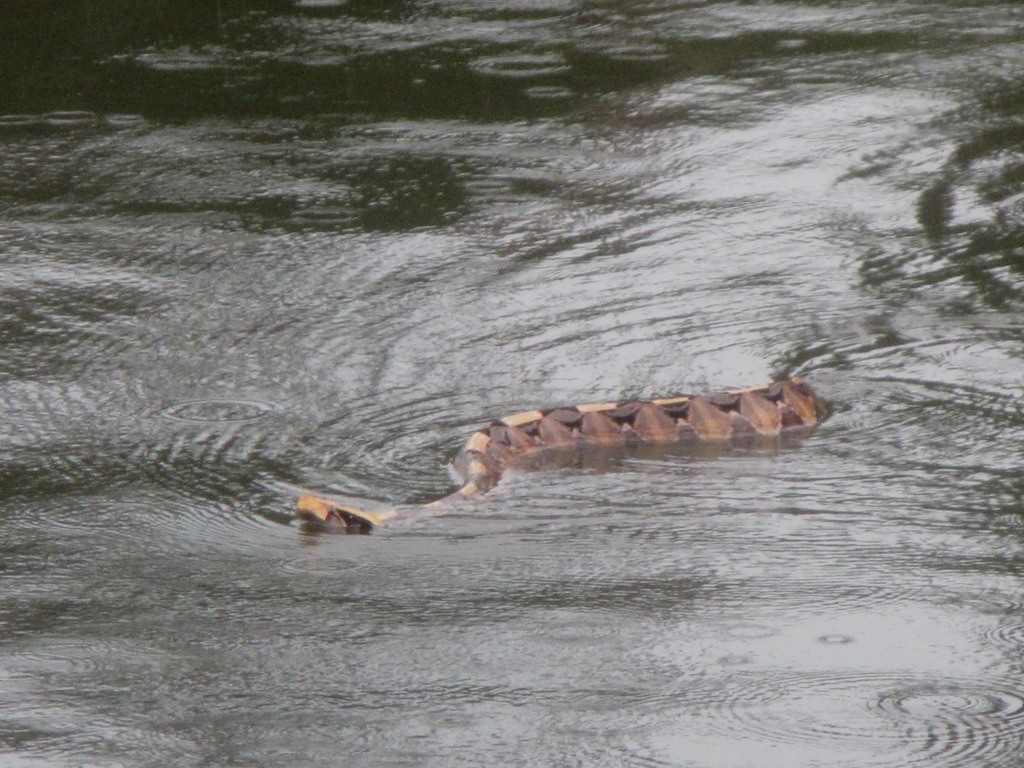 Exotic spotlight
Gaboon Viper: the African snake with 5 cm fangs and the most patient ambush on Earth
Longest fangs of any venomous snake. Largest venom yield per bite. Leaf-litter camouflage so perfect it is nearly invisible. Africa's heaviest viper, sitting motionless for weeks at a time. Epic tier, three diamonds.
Read the guide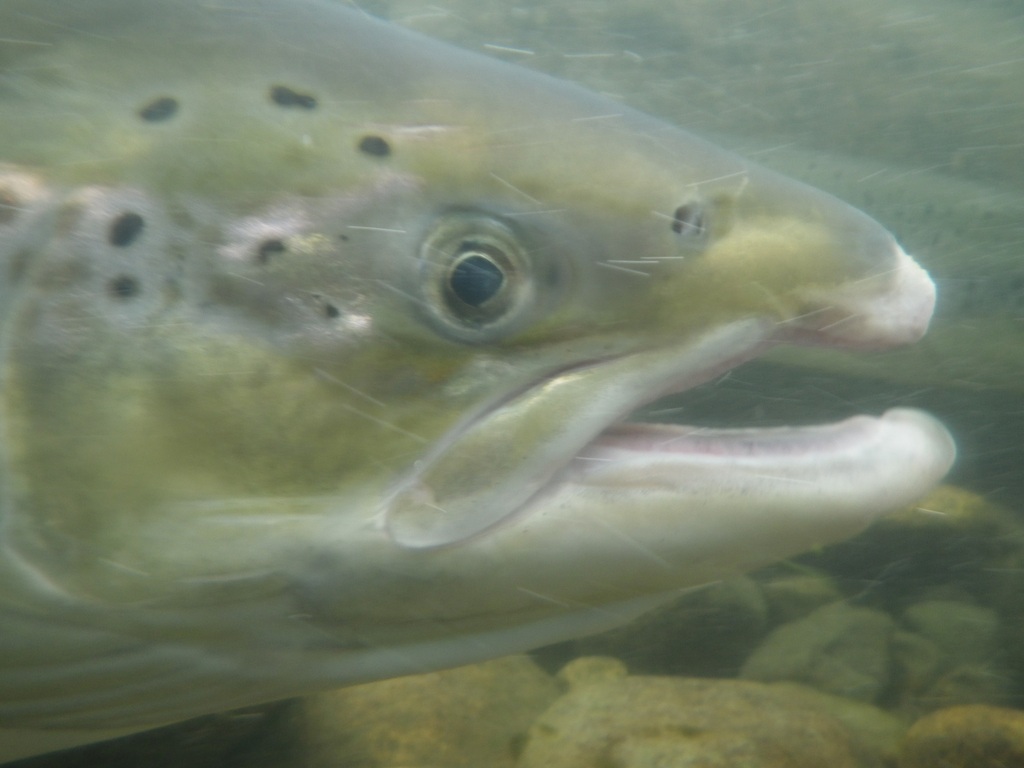 Evolution story
How salmon find their home river: smell, magnetism and 3,000 km of open ocean
A juvenile imprints the smell of its birth stream. Years later, in the open ocean, it reads a magnetic map to find the right coastline, then follows its nose upstream. The evolutionary biology of the most precise GPS in nature.
Read the guide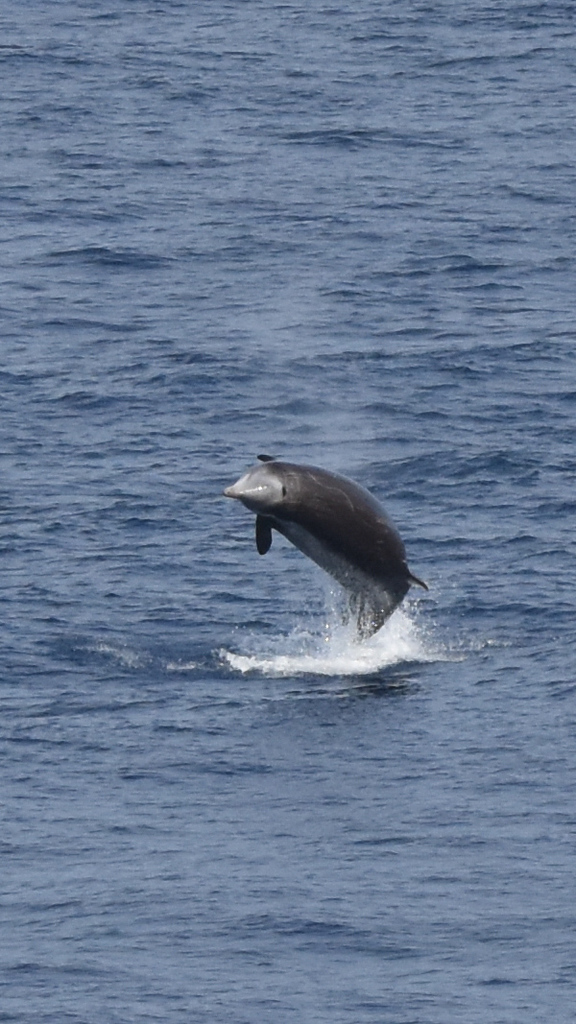 Superlative ranking
Deepest-diving animals in the world: 6 record-holders ranked
Cuvier's Beaked Whale at 2,992 m. Southern Elephant Seal at 2,388 m. Emperor Penguin at 535 m. Six confirmed records from six catalog species, each backed by tagging data. The biology of getting deep.
Read the guide 🐙 Exotic spotlightGiant Antarctic Octopus: the world's largest octopus lives under the Southern Ocean ice
Fewer than four confirmed sightings on record. Lives under Antarctic ice at depths of 2,200 m. The heaviest octopus in the world, in water close to freezing, in near-total darkness. Legendary tier, four diamonds.
Read the guide Fun facts
7 animal abilities that sound impossible but are thoroughly real
A frog that freezes solid every winter. A shrimp whose snap reaches 8,000 degrees. A salamander embryo that photosynthesises. Seven verified abilities from the Kaught catalog.
Read the guide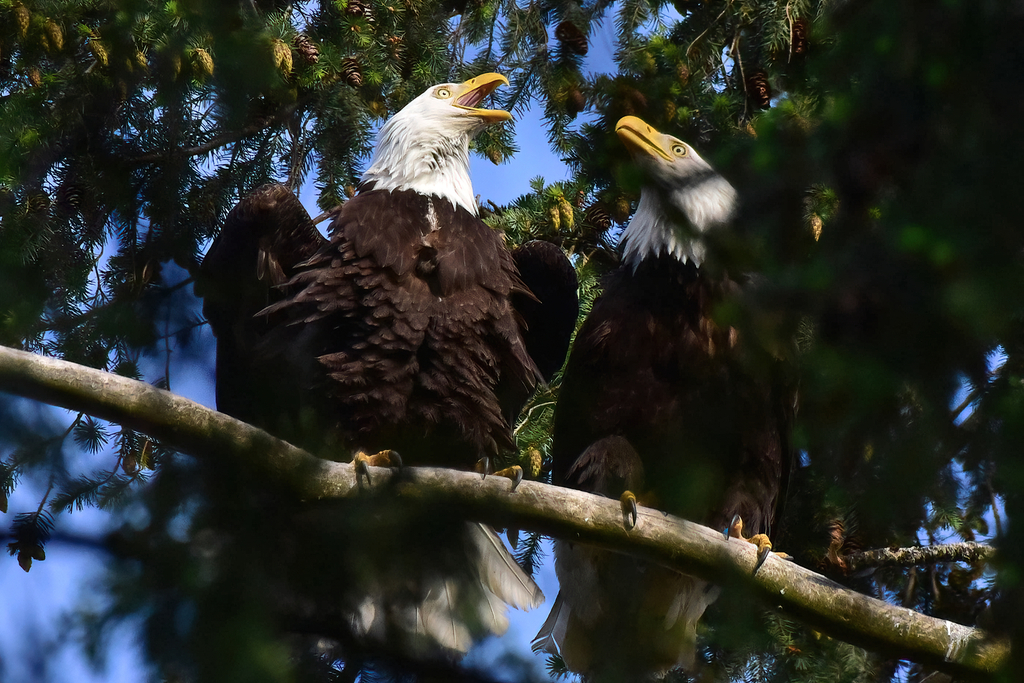 Species spotlight
Bald Eagle: how to identify one, where it lives, and why it only looks like that at 5
White head, white tail, yellow beak: the adult is unmistakable. But it takes five years to get there. A full field guide to North America's national bird. Epic tier, three diamonds.
Read the guide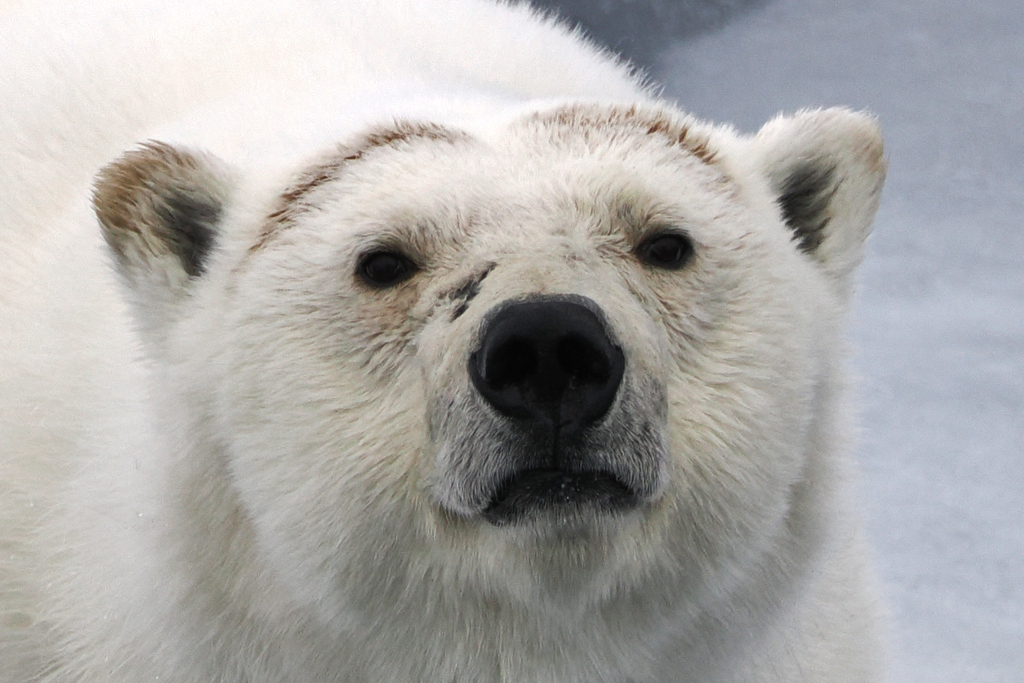 Adaptation explainer
Polar Bear: how it survives in the Arctic, five adaptations explained
Hollow guard hairs, black skin, four-inch fat, and a liver that should kill you. The biology behind five extraordinary cold-weather adaptations. Legendary tier, four diamonds.
Read the guide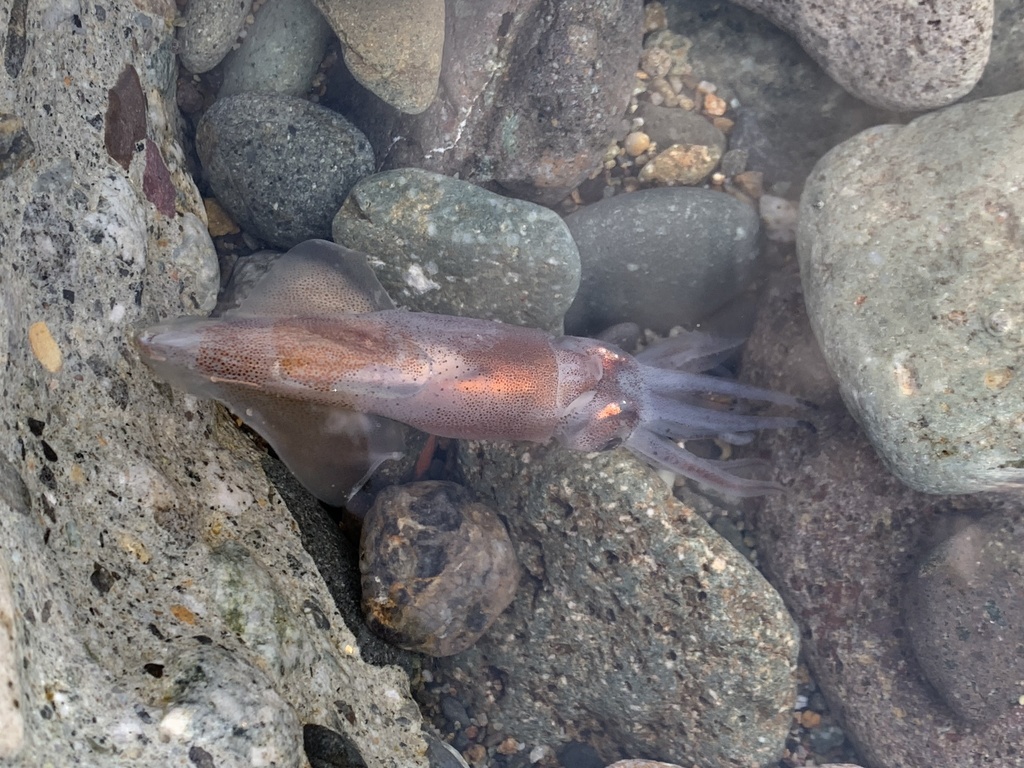 Exotic spotlight
Firefly Squid: the bioluminescent squid that turns a Japanese bay blue
Every spring, millions of Watasenia scintillans rise from the deep to spawn in Toyama Bay, turning the water electric blue. The most concentrated bioluminescence display on Earth. Legendary tier.
Read the guide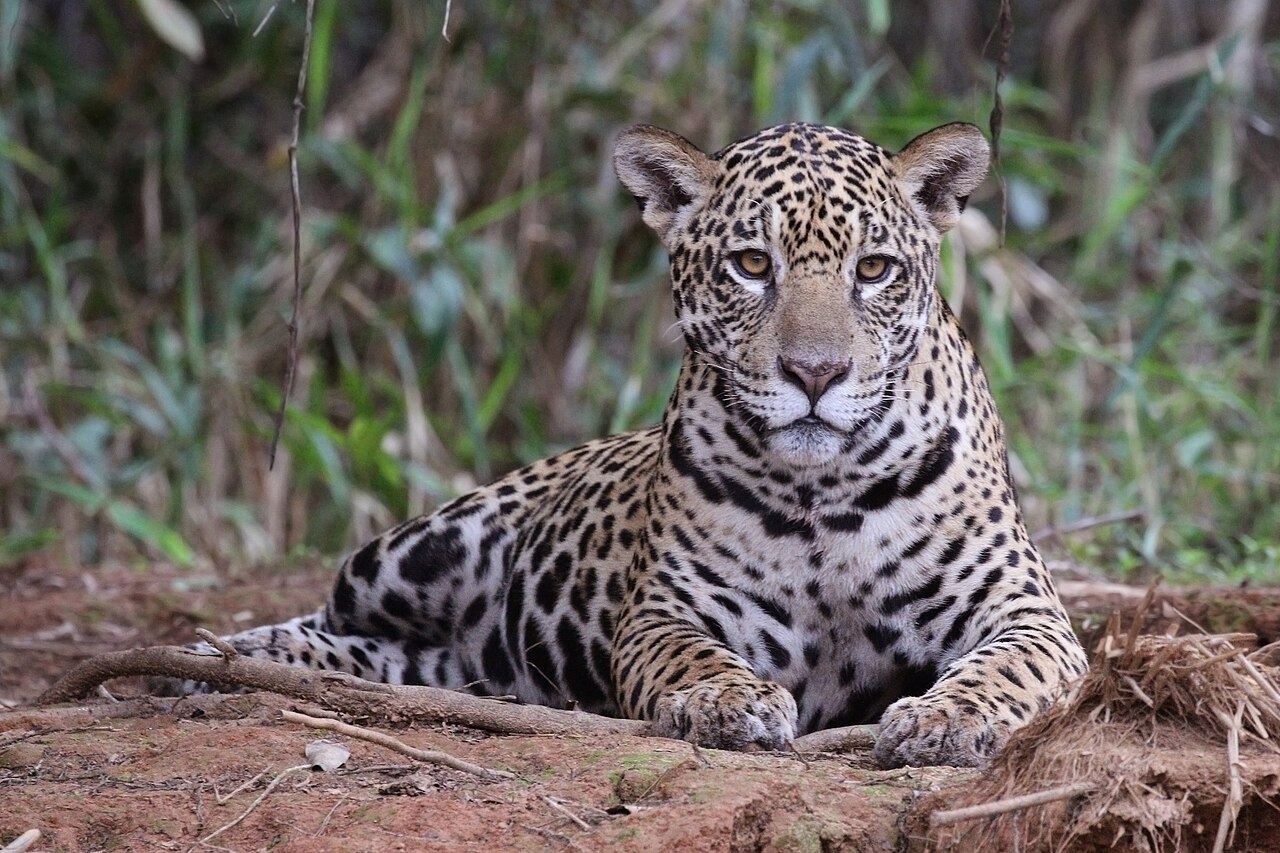 Legendary spotlight
Jaguar: how to identify one, where it lives, and why it kills differently from every other big cat
The only big cat that kills by piercing the skull rather than suffocating. Rosettes with internal spots, the broadest head in the genus, and a range from Mexico to Argentina. Legendary tier, four diamonds.
Read the guide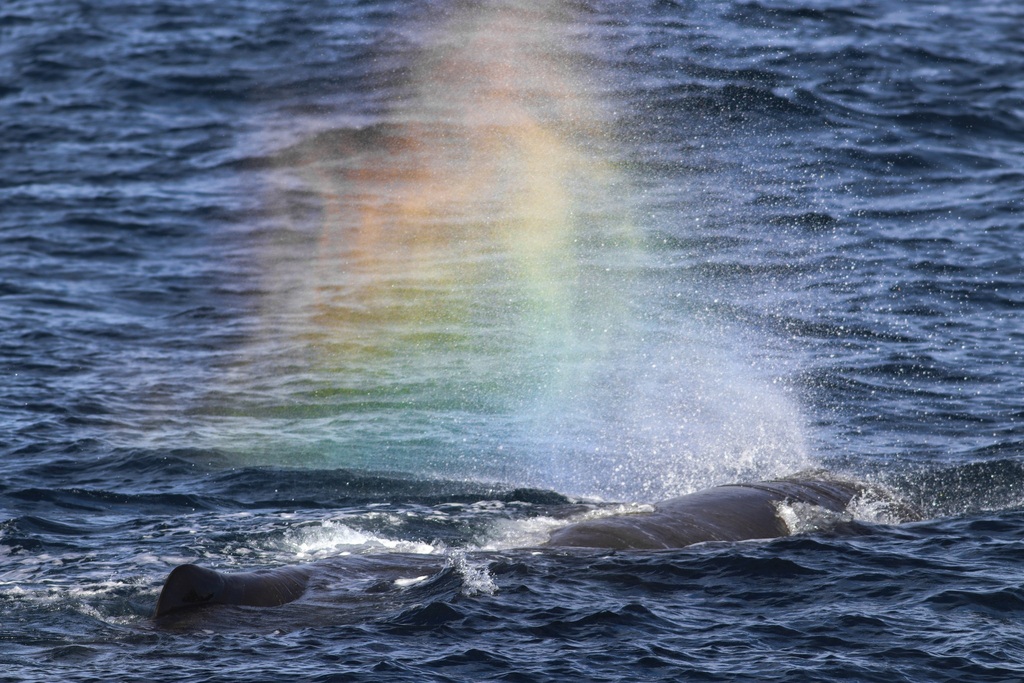 Superlative ranking
Loudest animals in the world: 6 record-holders ranked by decibels
The sperm whale clicks at 230 dB. The mole cricket builds a self-amplifying burrow. The howler monkey shouts across 5 km of rainforest with a bone. Six catalog species, six genuine records.
Read the guide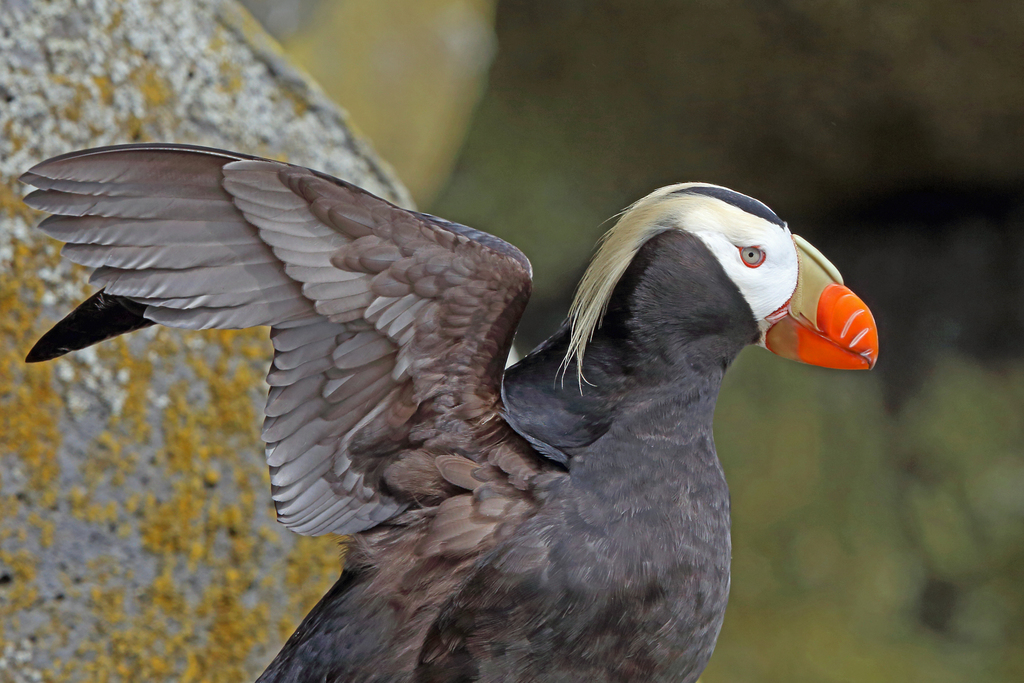 Species spotlight
Tufted Puffin: the black seabird with a golden mane and an orange ship's prow of a bill
The largest puffin species, all-black with a white face and dramatic golden tufts that grow each breeding season. North Pacific cliffs from California to Japan. Legendary tier.
Read the guide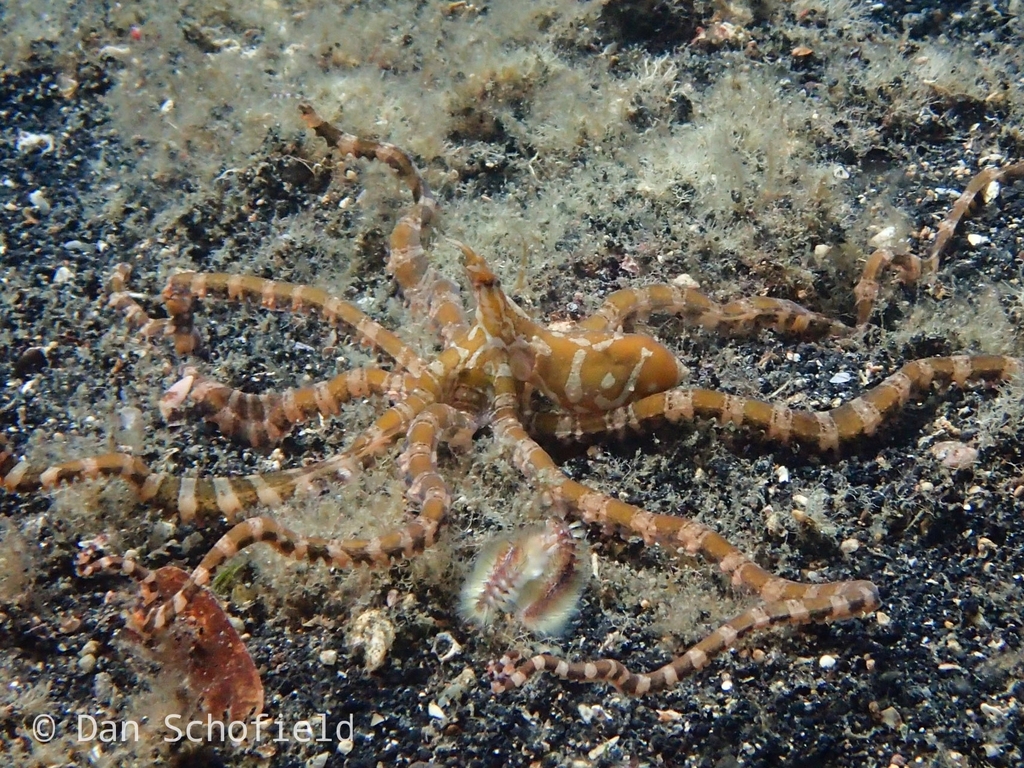 Exotic spotlight
Wonderpus Octopus: the Indo-Pacific cephalopod that wears its identity on its skin
A rust-brown and white spot pattern unique to every individual. Mimics flatfish, lionfish and sea anemones. Fewer than 400 confirmed sightings worldwide. Epic tier.
Read the guide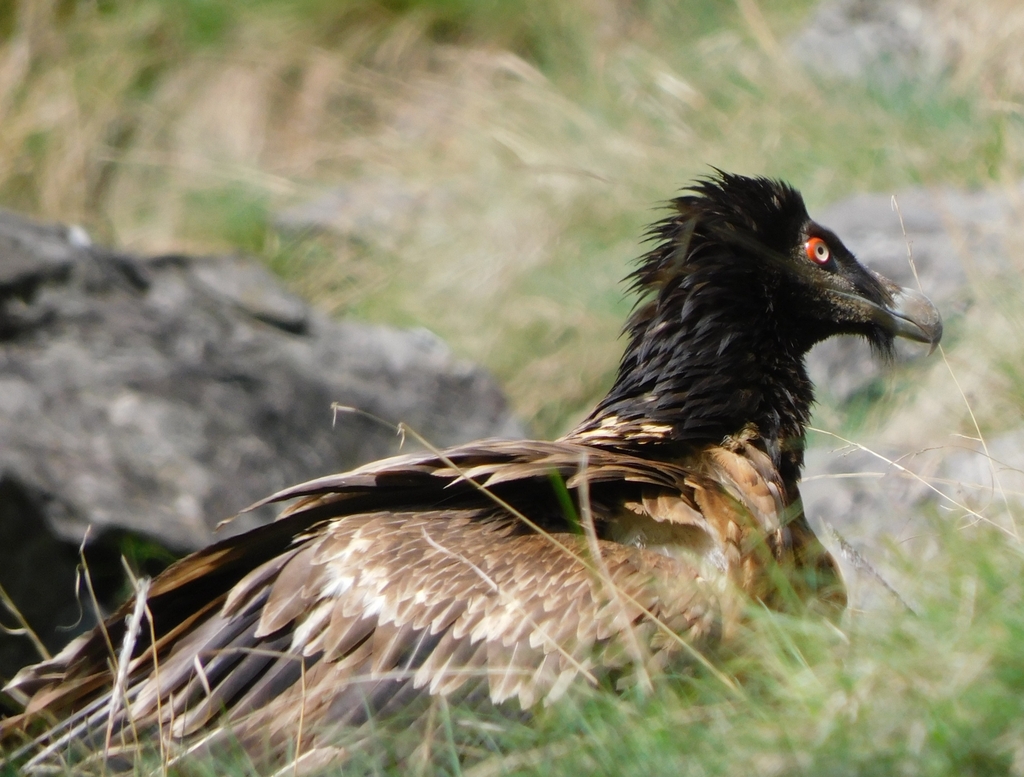 Adaptation explainer
Bearded Vulture: the bone-eating bird that dyes its own feathers orange
The only bird whose diet is 85 to 90 percent bone. It drops them from 80 m to crack them, dissolves the fragments in near-battery-acid stomach fluid, and deliberately paints itself with iron-rich mud. Epic tier.
Read the guide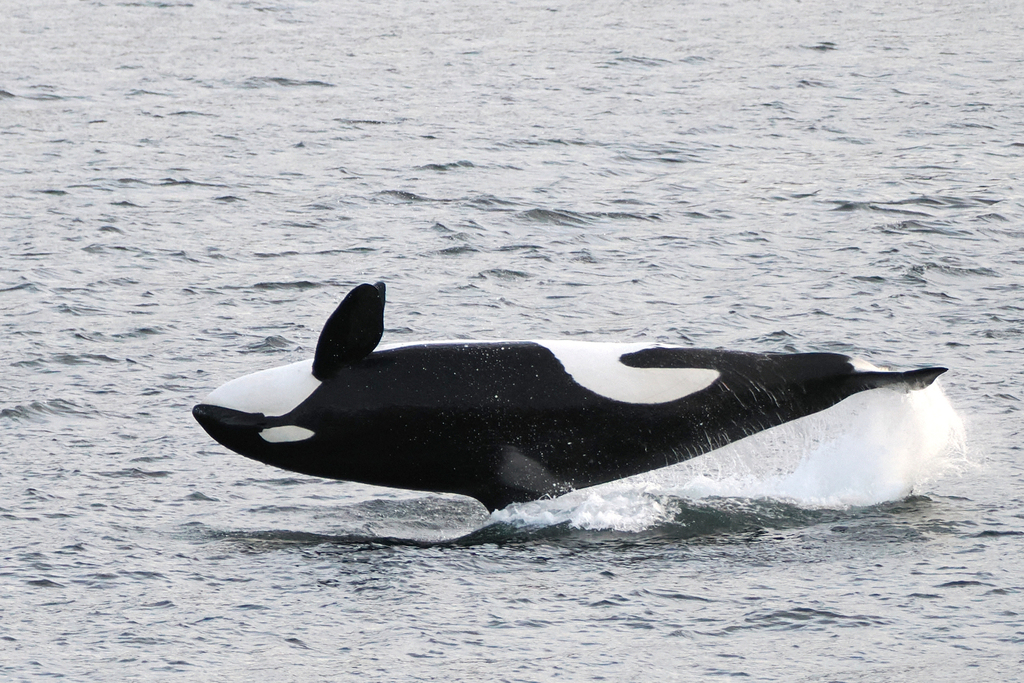 Legendary spotlight
Orca: the apex predator at the top of every ocean food chain
Black back, white eye patch, up to 8 m long. Hunts cooperatively using techniques passed between generations, including wave-washing seals off ice floes. The ocean's most culturally complex predator. Legendary tier.
Read the guide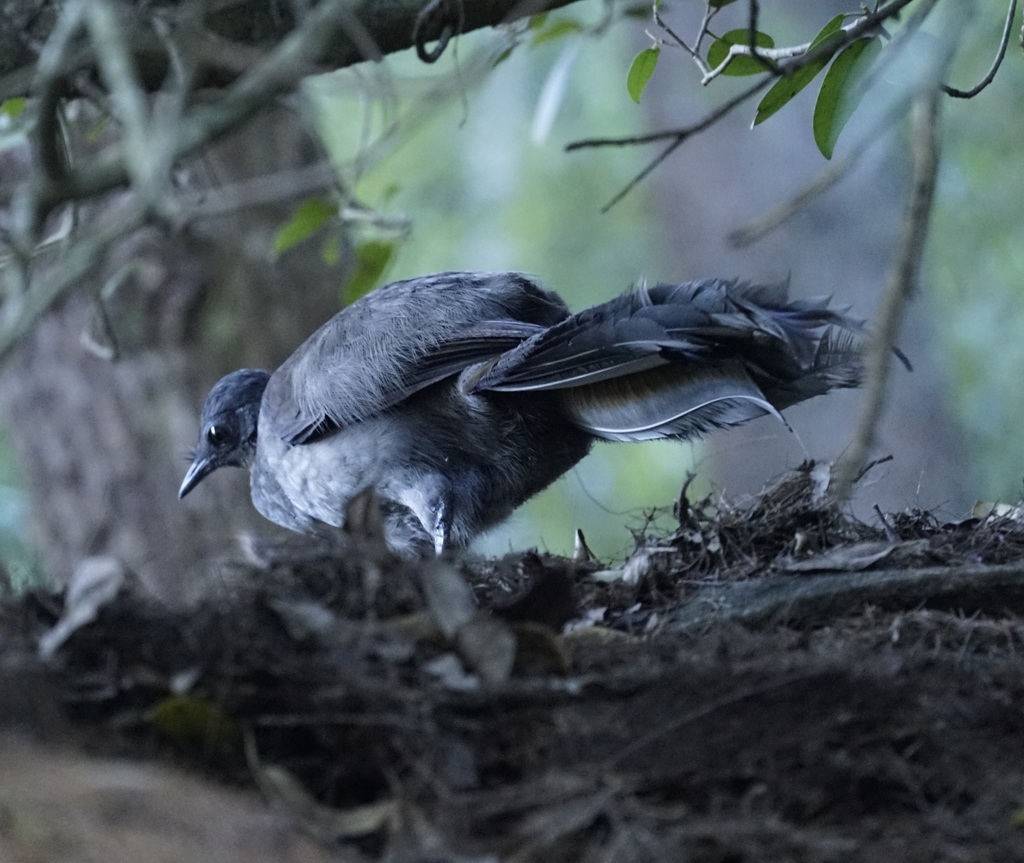 Behaviour guide
Superb Lyrebird: the Australian bird that mimics chainsaws, cameras and every bird in the forest
The most complex vocal organ of any songbird, 20+ species mimicked at once, and a winter display that includes near-perfect chainsaw replicas. Australia's extraordinary performer. Rare tier.
Read the guide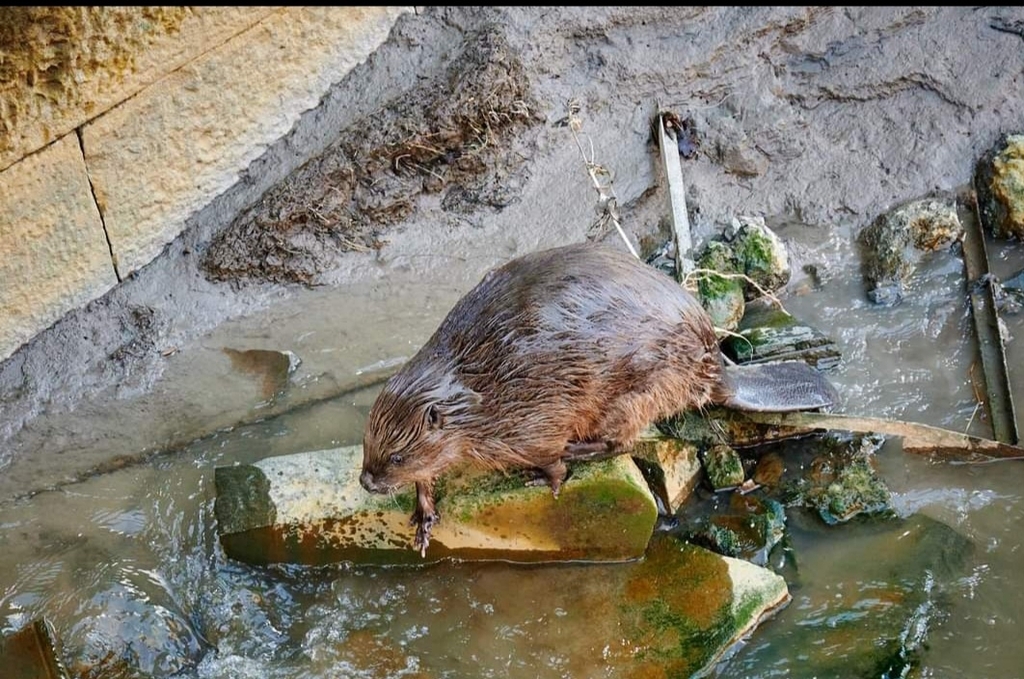 Adaptation explainer
Eurasian Beaver: how it engineers rivers and why the landscape changes when it moves in
Europe's largest rodent fells trees up to 1 m in diameter, builds dams from gnawed timber and mud, and raises the local water table for hundreds of metres. Epic tier, three diamonds.
Read the guide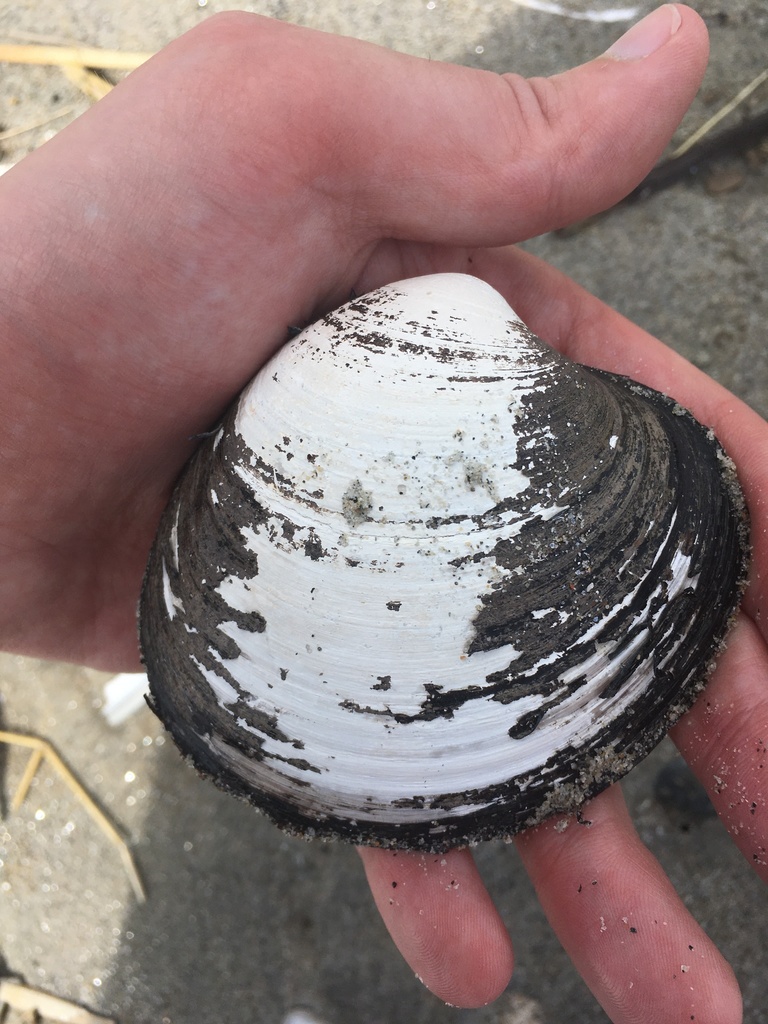 Superlative ranking
Longest-lived animals in the world: 6 record-holders ranked by confirmed lifespan
A 507-year clam, a whale with a Victorian harpoon tip in its blubber, and a tortoise older than most countries' constitutions. Six catalog species, six genuine records.
Read the guide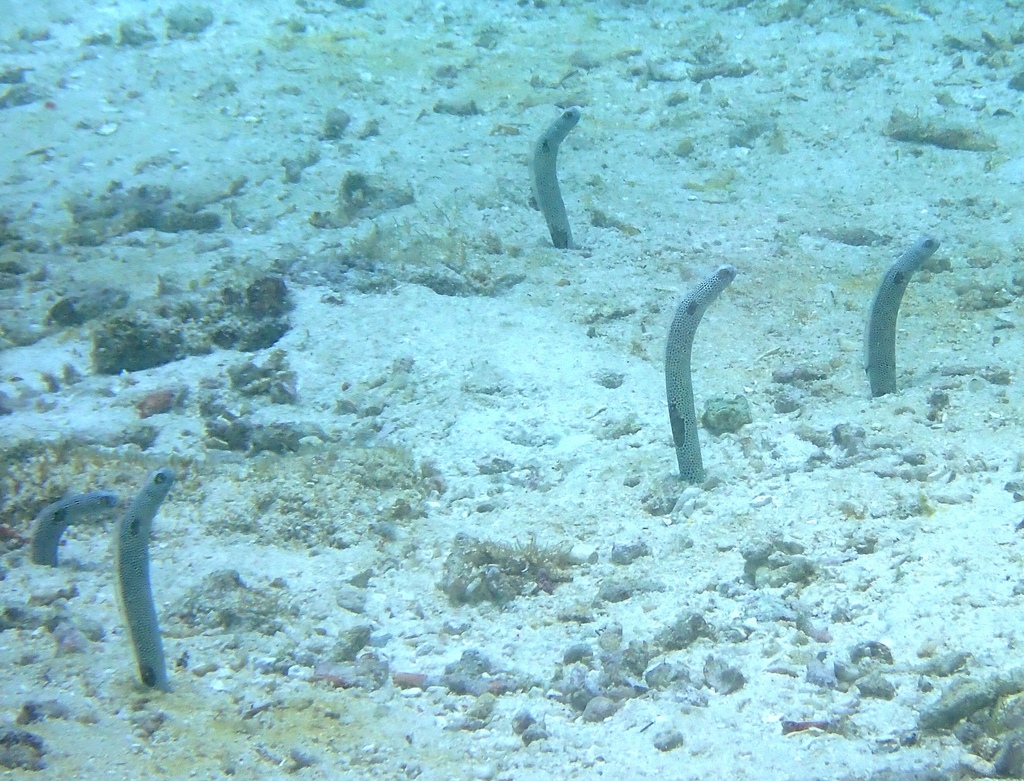 Exotic spotlight
Spotted Garden Eel: the reef fish that lives half-buried in the sand and never leaves
A conger eel that spends its entire adult life in a self-built sand burrow, mating without ever leaving home. Epic tier, three diamonds.
Read the guide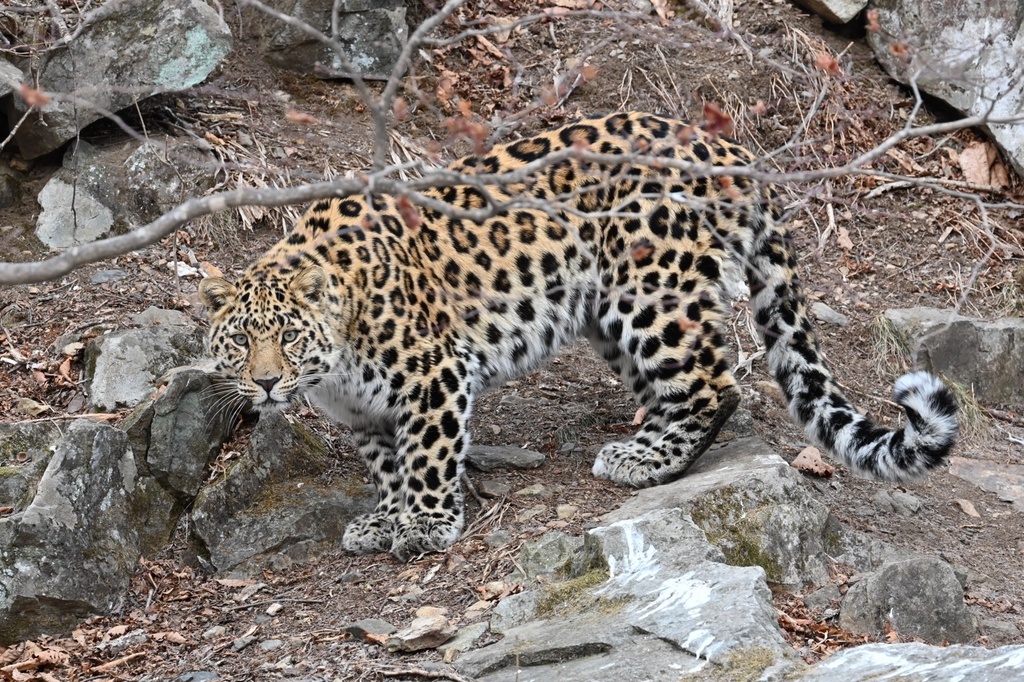 Legendary spotlight
The Leopard: the spotted big cat that climbs, swims and outruns almost everything in its range
The most widely distributed big cat on Earth: found across Africa and Asia, hunts at night, hauls prey into trees and is famously almost impossible to observe in the wild. Legendary tier, four diamonds.
Read the guide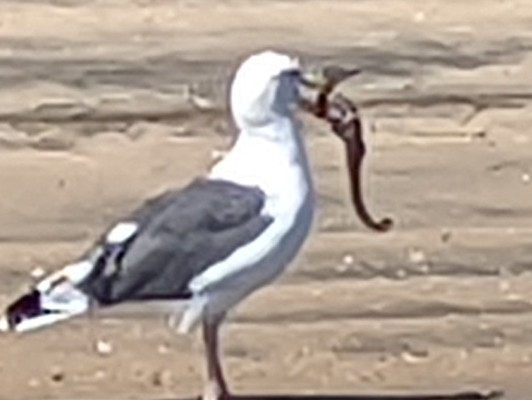 Evolution story
Giant Seahorse: why the male gives birth, and how the seahorse became a fish
A bony fish with a prehensile tail, independent eyes, no stomach, and a pregnant father. The evolutionary biology behind one of the ocean's strangest animals. Legendary tier.
Read the guide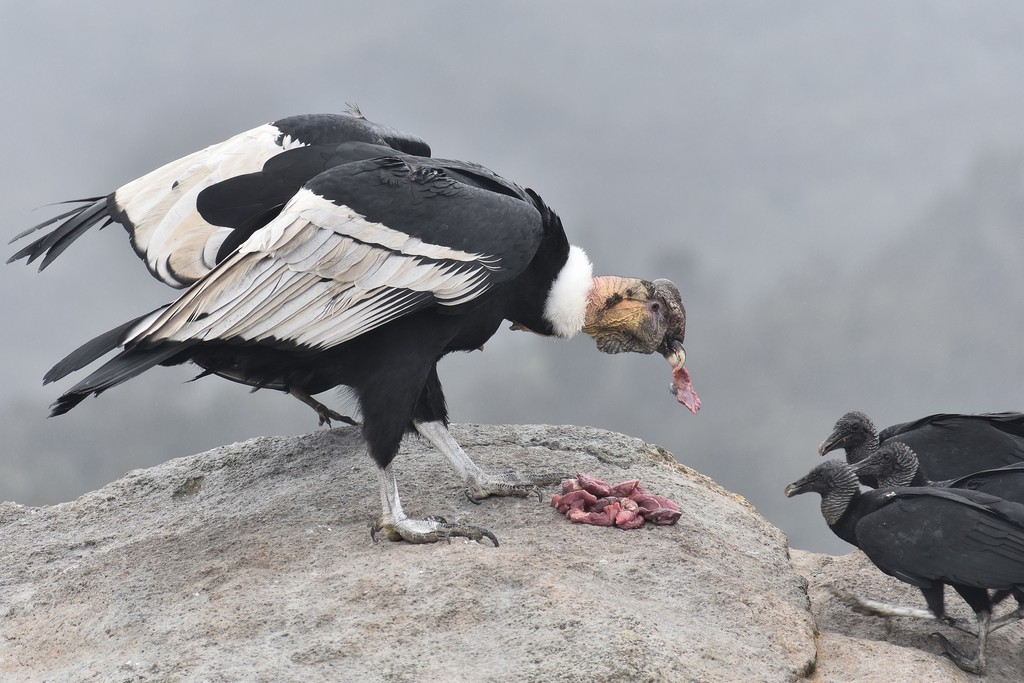 Species spotlight
Andean Condor: South America's giant soaring vulture, identified
Wingspan up to 3.1 m, no wingbeats for hours, and a bare head built for hygiene. The world's largest flying bird by combined size and weight, soaring above the Andes. Epic tier.
Read the guide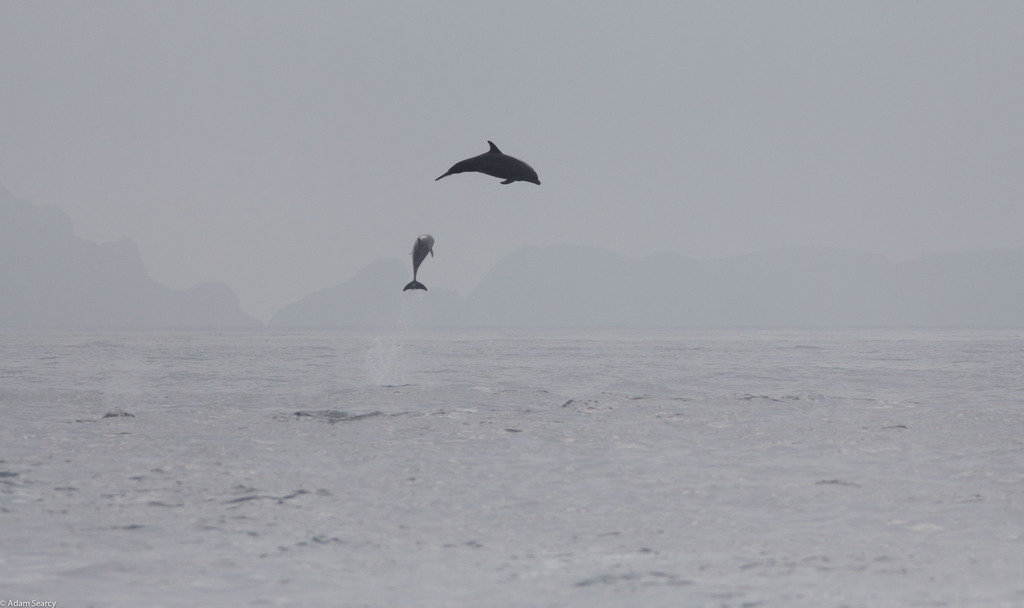 Superlative ranking
Smartest animals in the world: 6 ranked by brain power
Tool use, mirror self-recognition, deferred gratification, and arms that think for themselves. Six catalog species ranked by intelligence, with the real comparative biology behind each.
Read the guide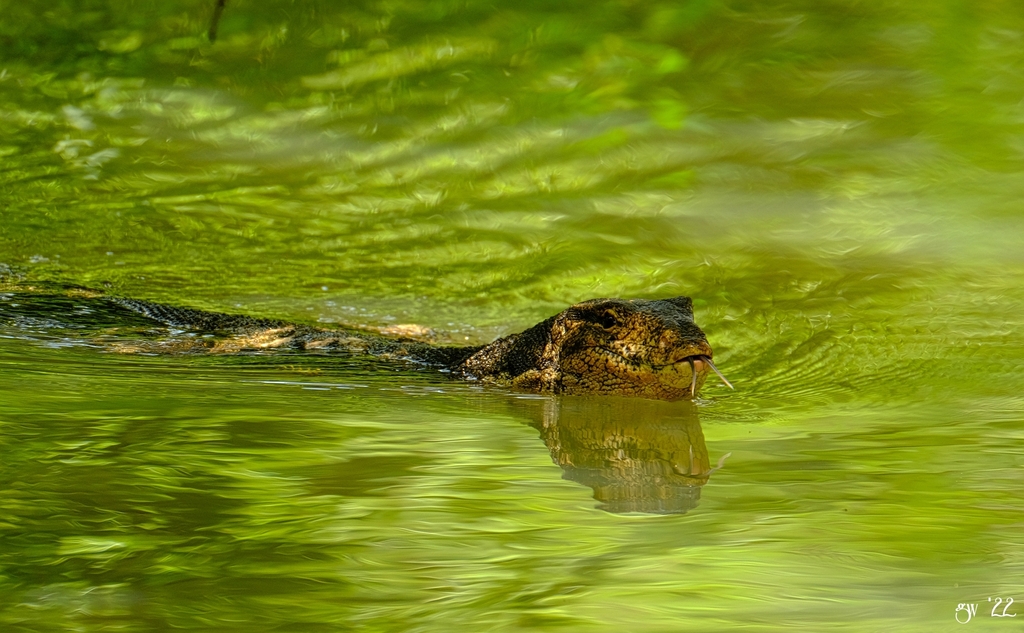 Adaptation explainer
Water Monitor Lizard: the forked tongue that does what a nose cannot
Southeast Asia's largest lizard dominates rivers and urban canals with stereo chemical sensing, bony skin armour, a propellant tail, and mammal-grade lungs. Epic tier, three diamonds.
Read the guide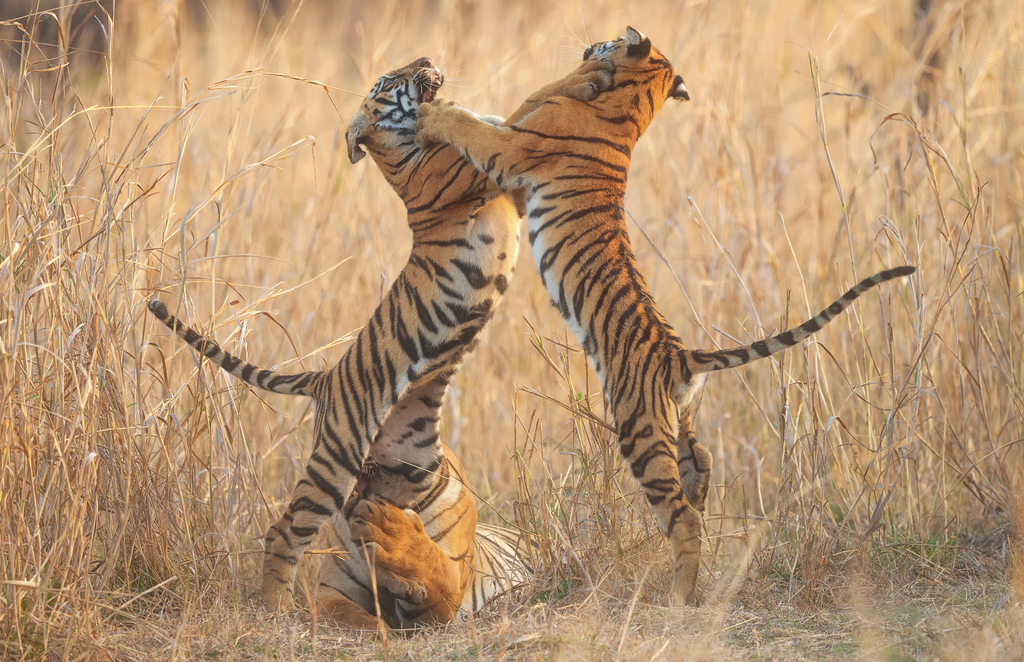 Legendary spotlight
The Tiger: the biggest wild cat on Earth and one of the hardest animals to actually see
Up to 3.3 m and 306 kg, six surviving subspecies, and a stripe pattern as unique as a fingerprint. Why the Legendary tier fits the animal that almost always knows you are there first.
Read the guide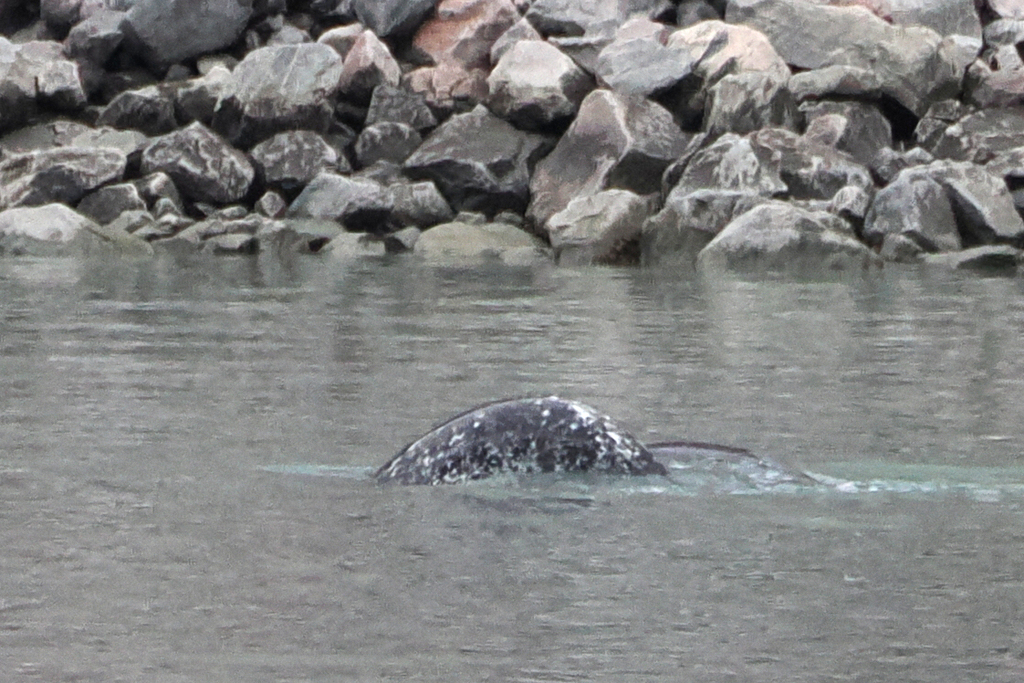 Species spotlight
Narwhal: the Arctic whale whose spiral tusk is really a hyper-sensitive tooth
The tusk is a modified canine packed with 10 million nerve endings. An Epic-tier cetacean that dives to 1,500 m and spends winter hunting under Arctic pack ice.
Read the guide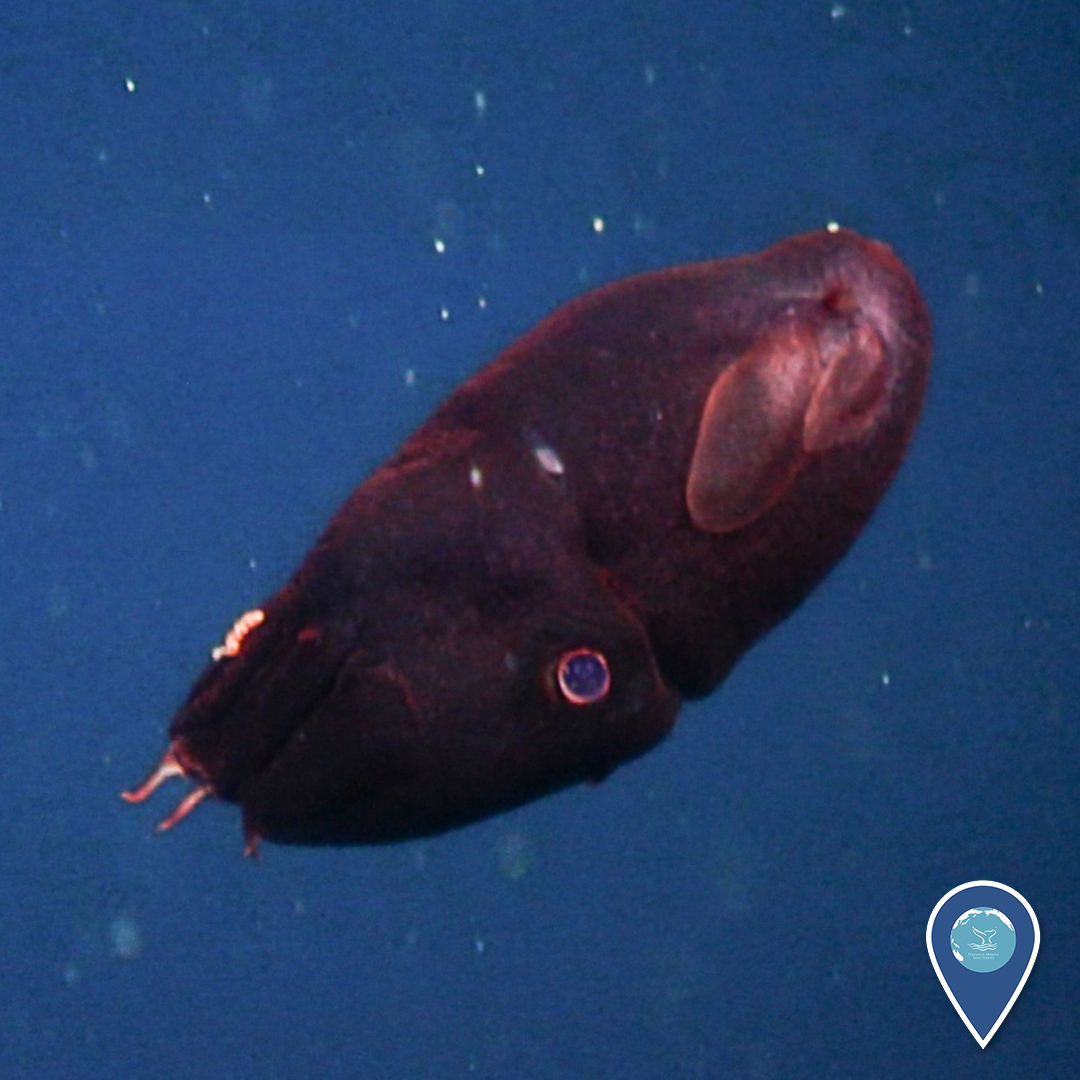 Exotic spotlight
Vampire Squid: the deep-sea creature that is neither squid nor octopus
Lives in the oxygen minimum zone at 1,000 m depth, belongs to its own ancient order, glows in the dark, and eats marine snow rather than prey.
Read the guide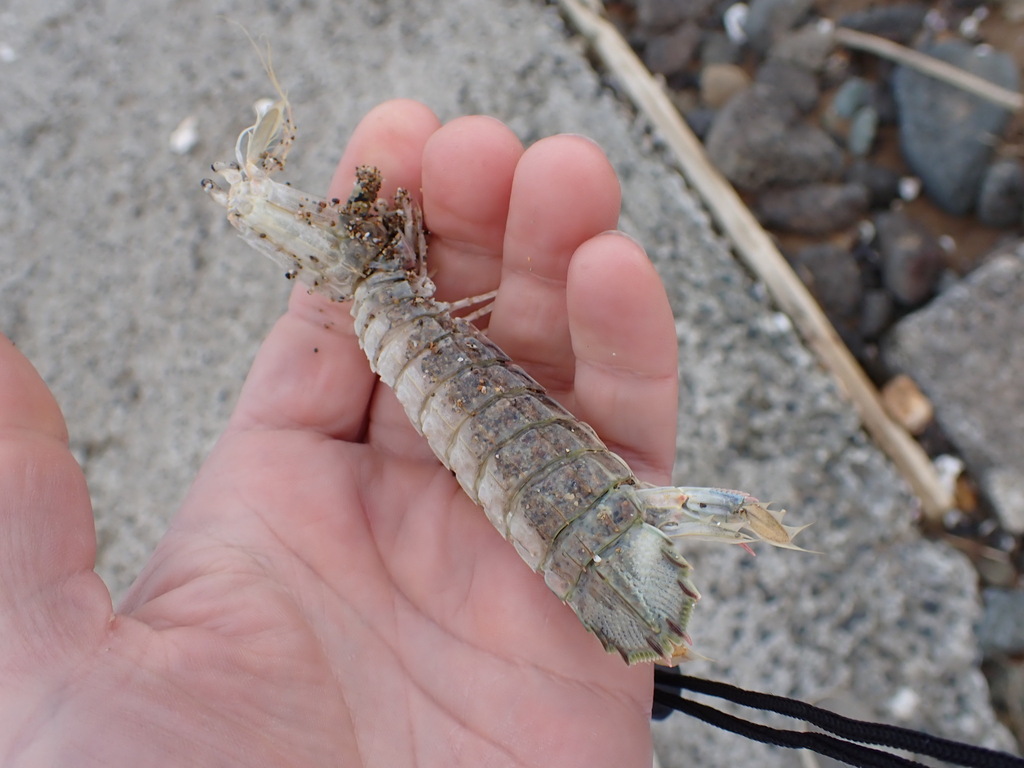 Adaptation explainer
Mantis Shrimp: 16-colour vision and a punch that accelerates at 10,000 g
Eyes with 16 receptor types, UV and polarised-light detection, and a striking appendage faster than a bullet. The Shako Mantis Shrimp: Legendary tier, four diamonds.
Read the guide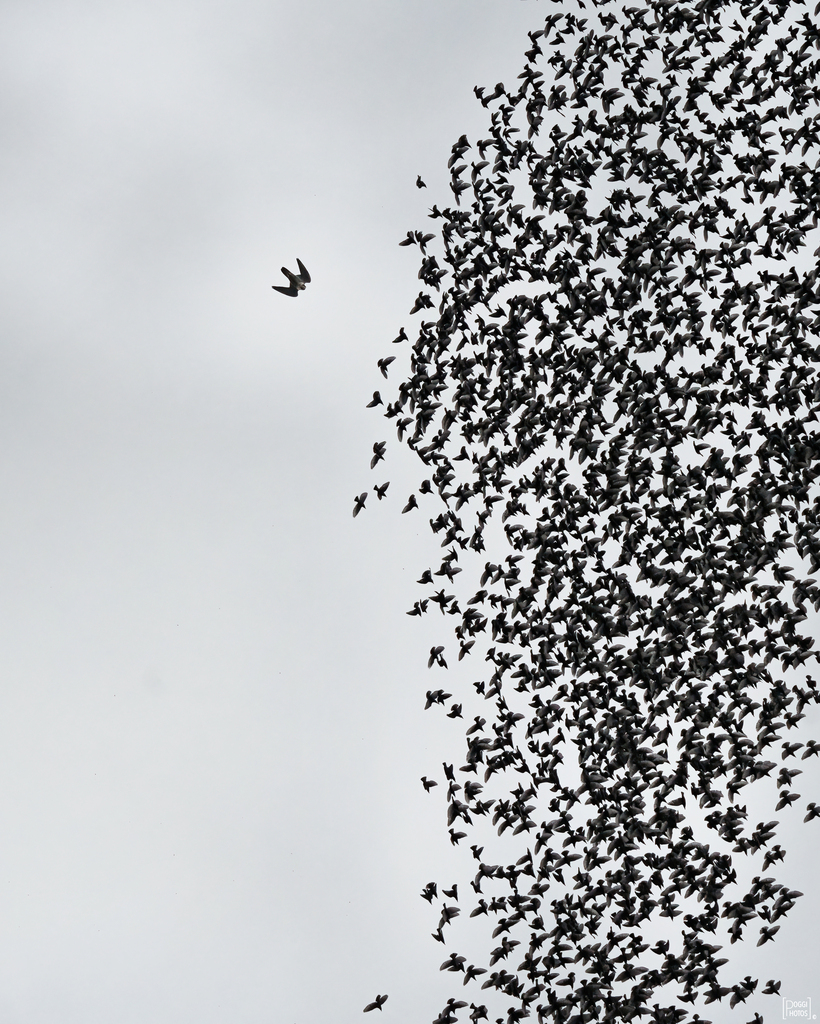 Record holders
Fastest animals in the world: 7 record-holders ranked by speed
Peregrine Falcon at 389 km/h, Cheetah at 120 km/h on land, White-throated Needletail at 170 km/h in level flight. Seven catalog species, seven genuine records.
Read the guide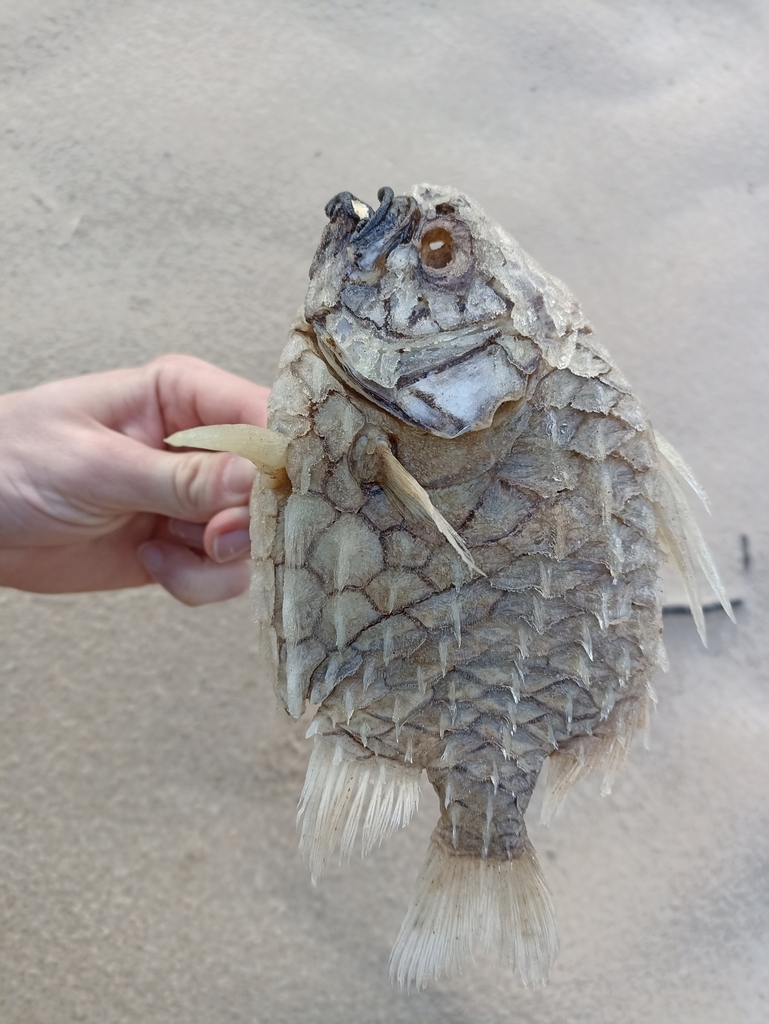 Exotic spotlight
Australian Pineapplefish: the armoured fish that glows in the dark
Sheathed in bony plates like a pineapple, fitted with bioluminescent jaw organs powered by bacteria, and found only in Australian reef caves. Legendary tier, four diamonds.
Read the guide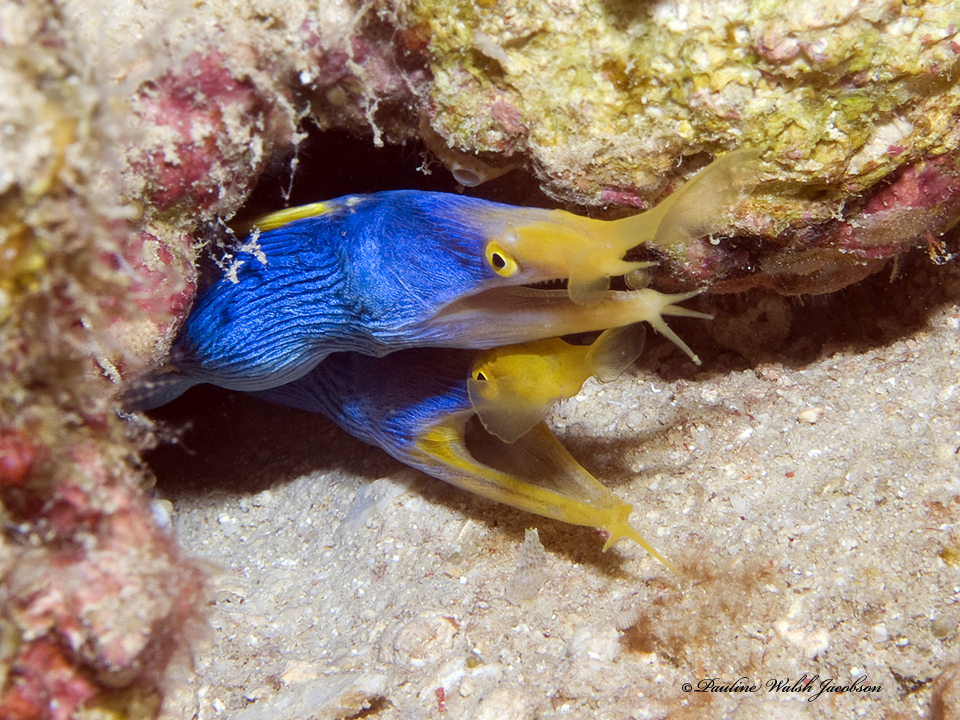 Evolution story
Ribbon Eel: the moray that changes sex, and why evolution built it that way
Born male, vivid blue. Become female, turn yellow. The biology of sequential hermaphroditism in the Indo-Pacific's most colourful eel.
Read the guide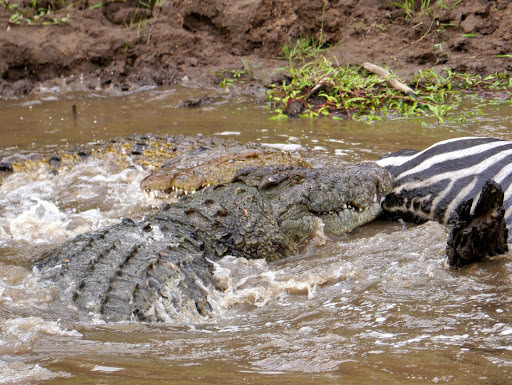 Species spotlight
Nile Crocodile: Africa's patient apex predator and surprisingly attentive parent
Up to 6 m, a bite force among the highest of any living animal, and one of the most sophisticated parental behaviours in any reptile. A full field guide.
Read the guide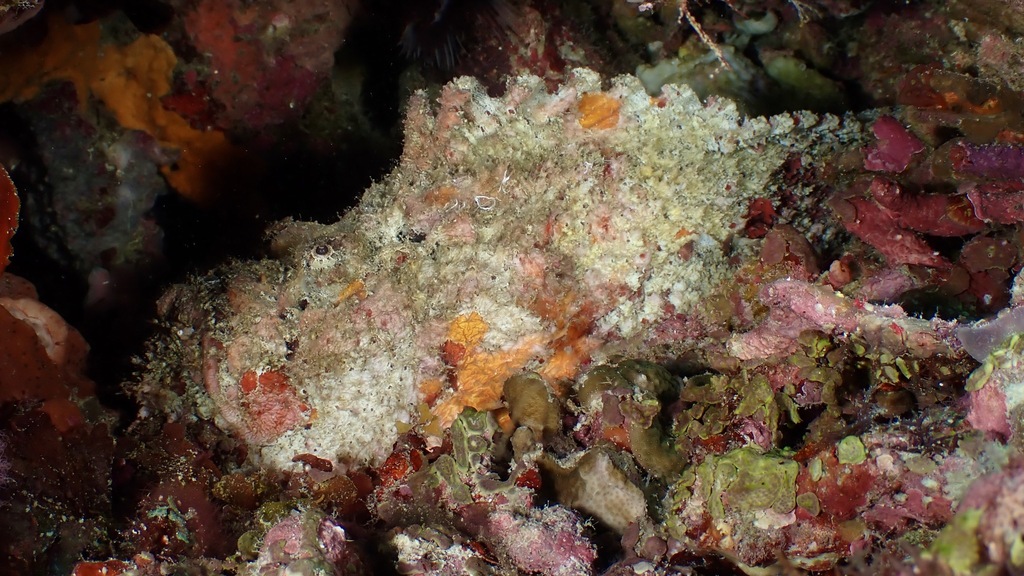 Superlative ranking
Most venomous animals in the world: 6 catalog species ranked
Stonefish, forest cobra, blue-ringed octopus, poison dart frog, platypus and rattlesnake. Real toxicology, real rarity tiers, no inflated claims.
Read the guide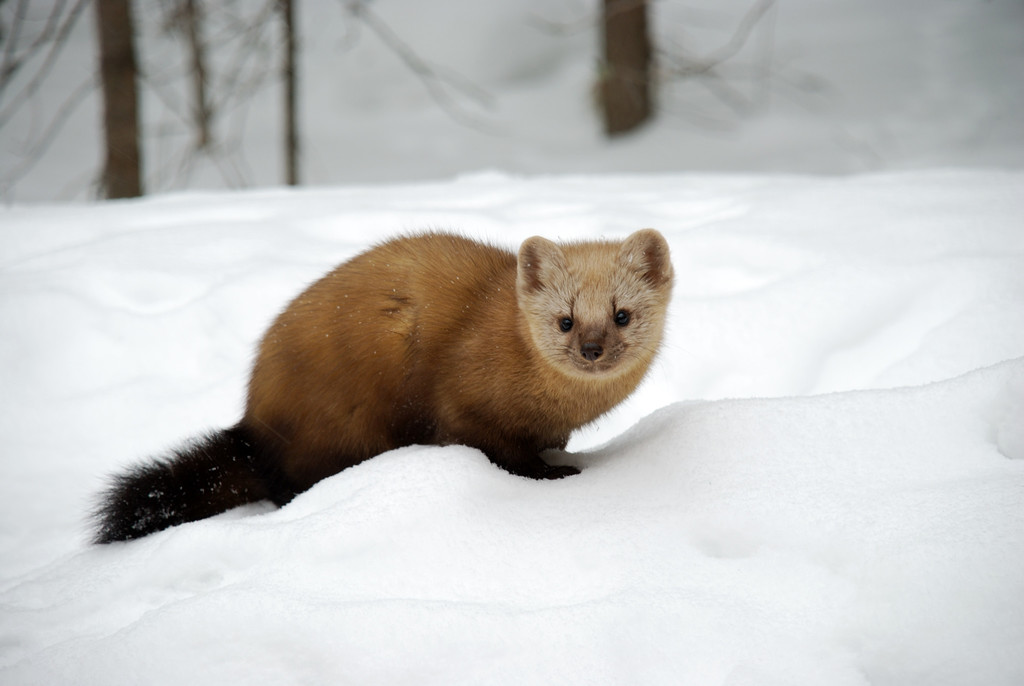 Legendary spotlight
The Sable: the Legendary Siberian mustelid that shaped a continent's history
Dark fur, exceptional hearing, and a home range in the depths of the Siberian taiga. One of the rarest wild mammals to ever observe. Legendary tier, four diamonds.
Read the guide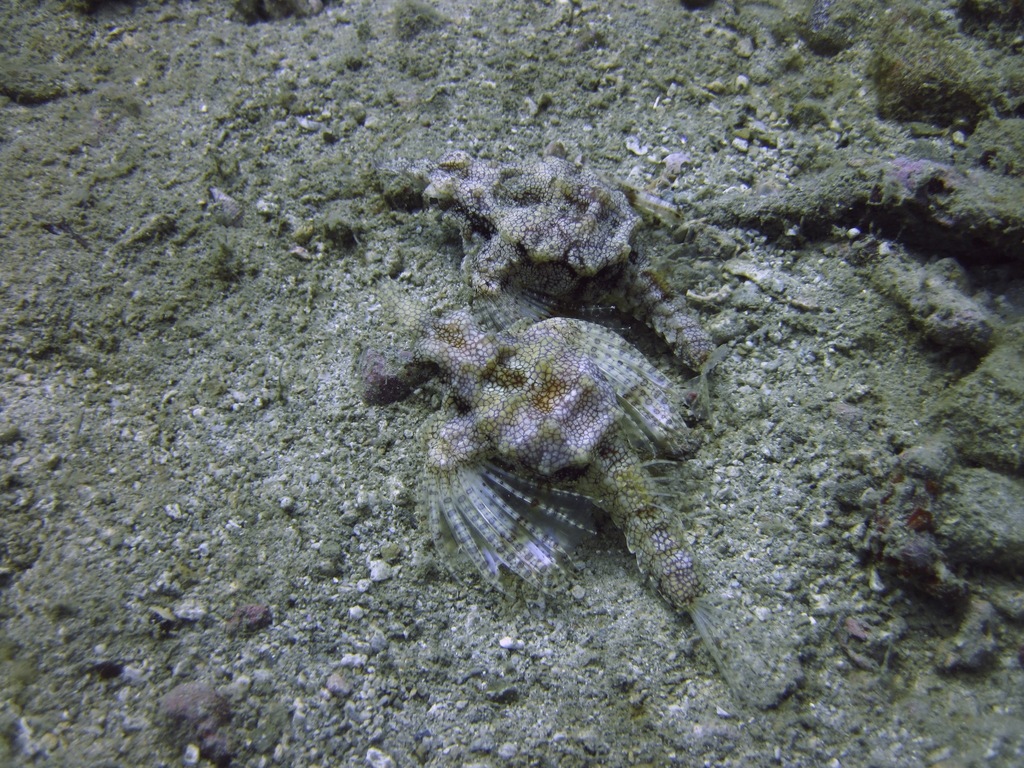 Exotic spotlight
Dragon Seamoth: the armoured Indo-Pacific fish that walks on its fins
A bony-armoured Legendary-tier fish that walks rather than swims, sheds its entire outer skeleton to remove parasites, and pairs for life. Very rarely observed.
Read the guide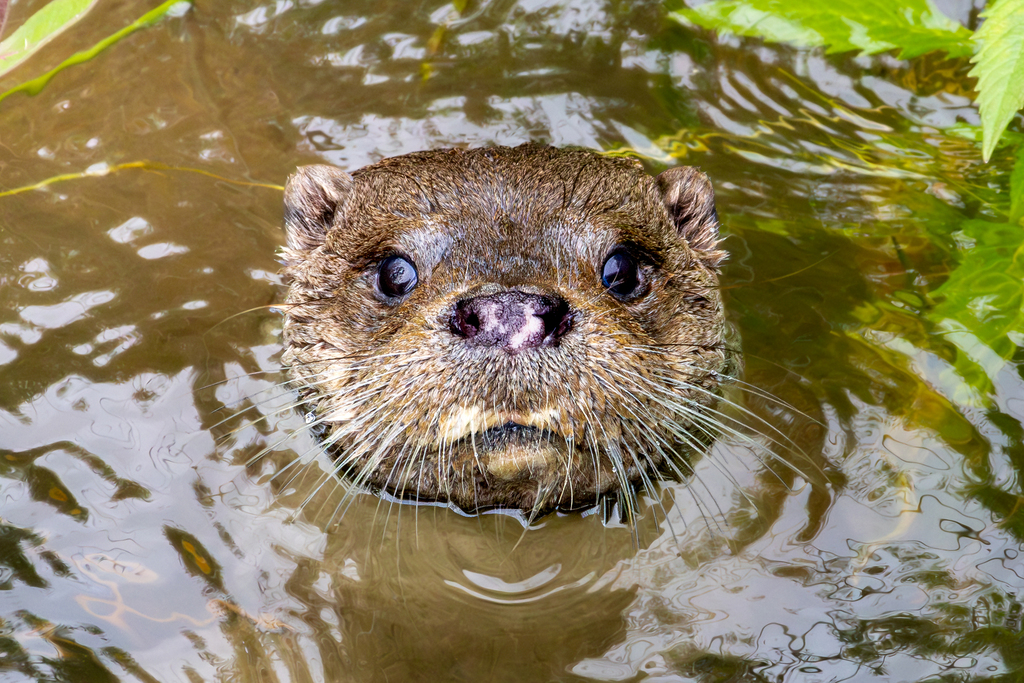 Species spotlight
The Common Otter: how to find and identify Europe's elusive river hunter
Spraints, holts, and the right hour. A field guide to actually seeing an Epic-tier wetland mammal in the wild.
Read the guide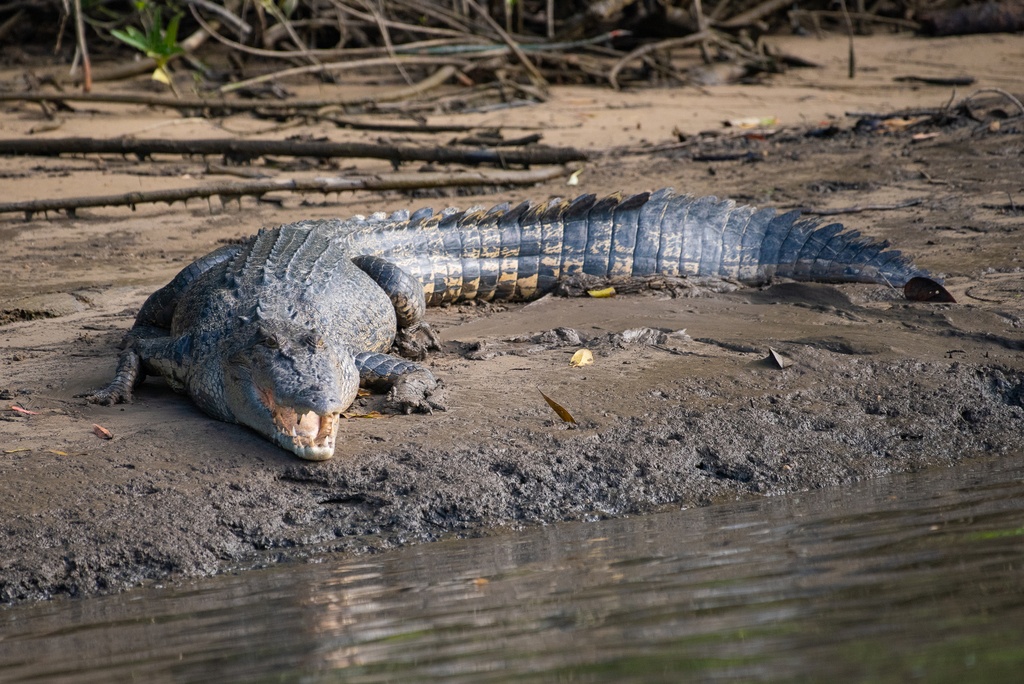 Record holders
Strongest animals in the world: 7 record-holders ranked by bite force and raw power
From the saltwater crocodile's 16,000-Newton bite to the dung beetle's 1,141× bodyweight pull. Seven catalog species, seven genuine records.
Read the guide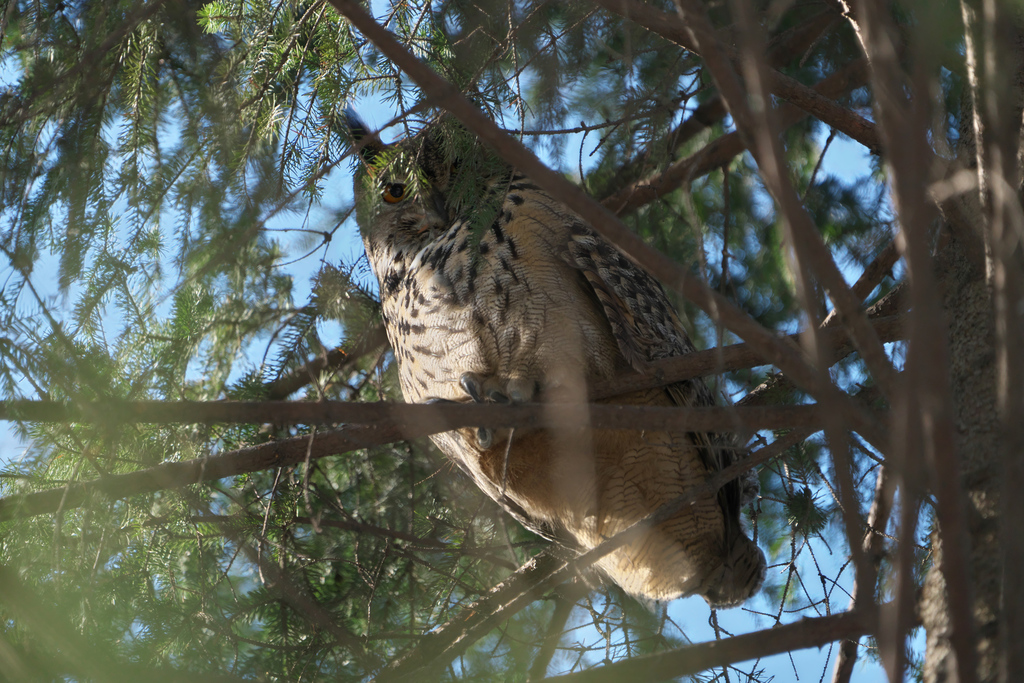 Adaptation explainer
Eagle Owl: how the world's largest owl hunts in near-total darkness
Asymmetric ears, silent feathers, a parabolic facial disc, and talons that lock on contact. Four adaptations, explained.
Read the guide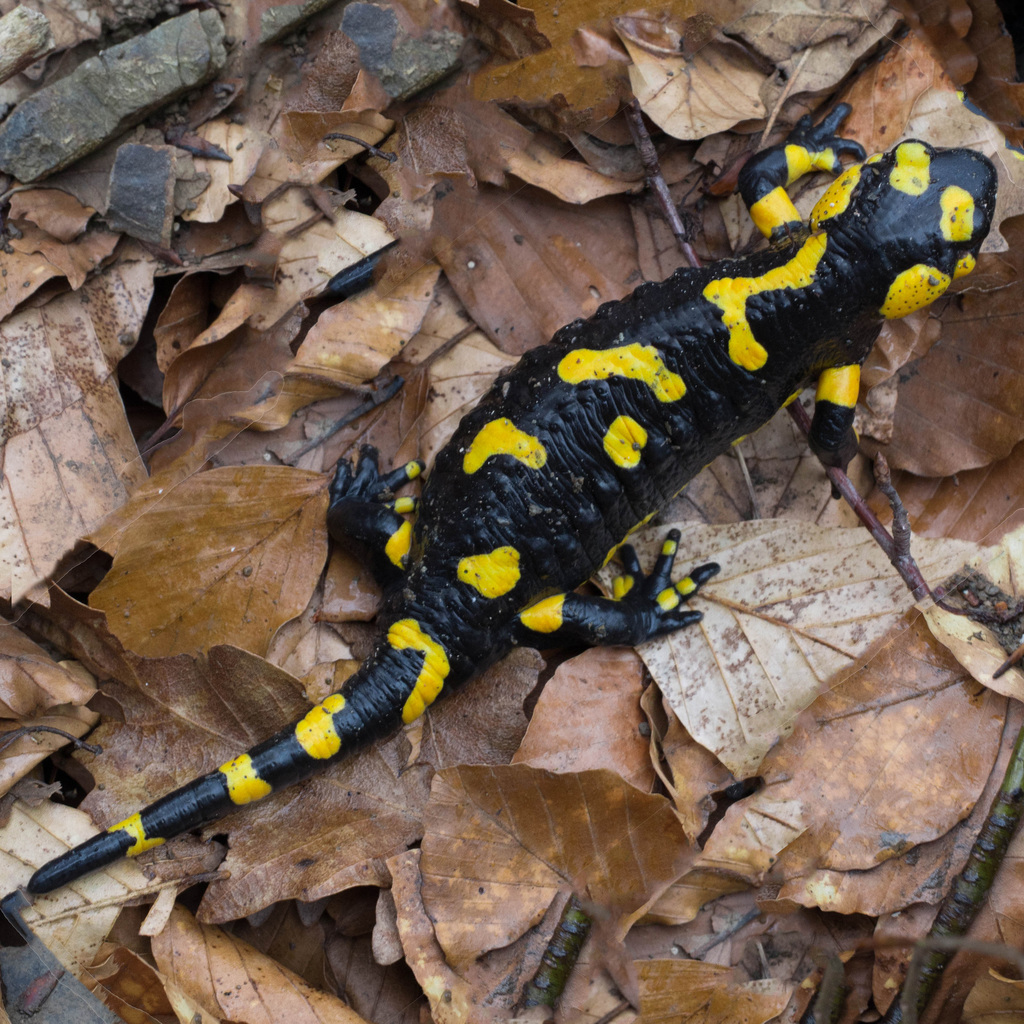 Exotic spotlight
The Fire Salamander: the toxic amphibian with a polka-dot warning coat
Black and yellow, Epic-tier, and far stranger than most people know: it gives birth to live, gilled larvae. A field guide to Europe's most dramatic amphibian.
Read the guide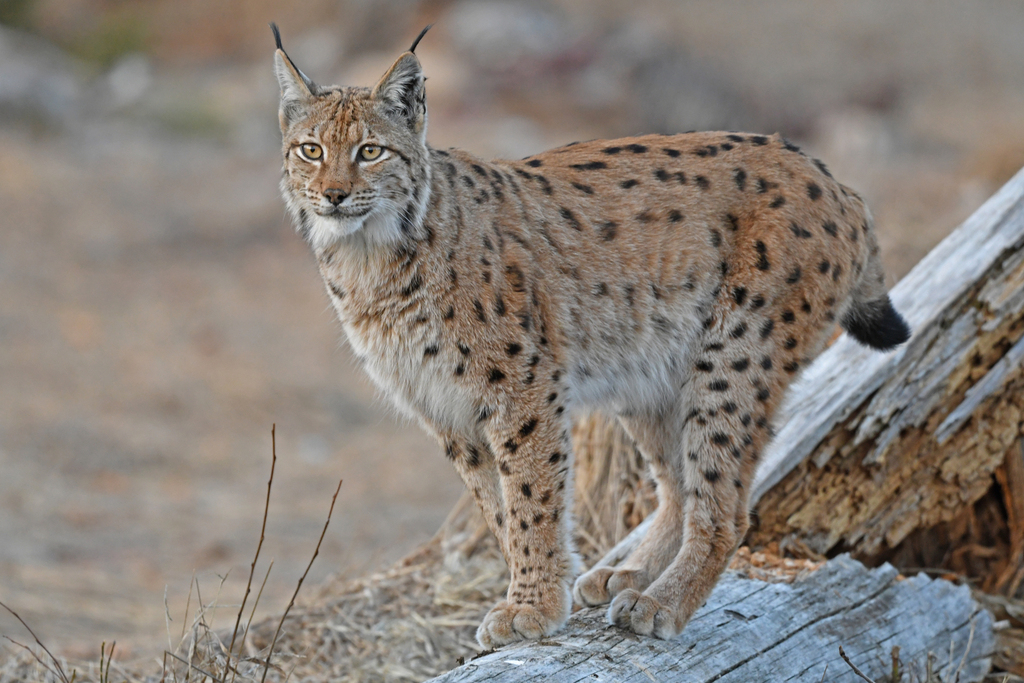 Legendary spotlight
The Eurasian Lynx: Europe's ghost cat and one of the hardest animals to actually see
Legendary tier, four diamonds. Where it lives, how it hunts, and the realistic field-craft for anyone who wants to try their luck.
Read the guide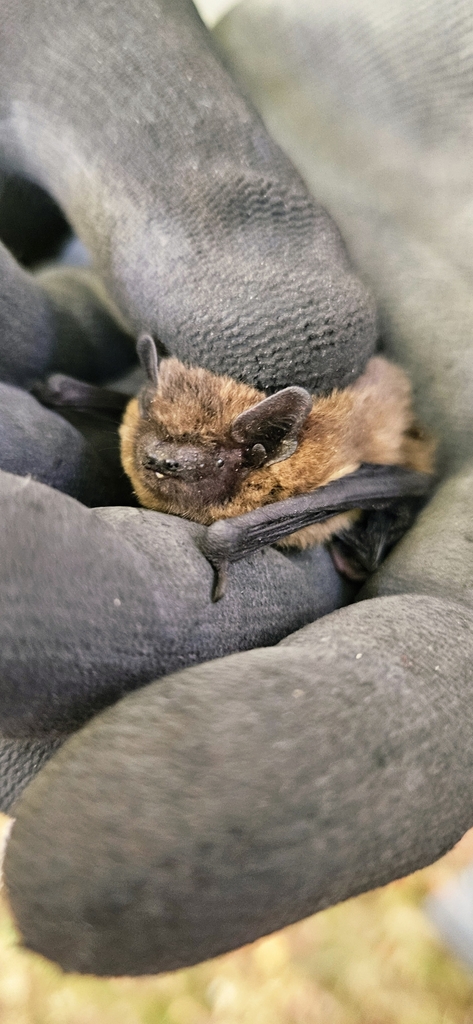 Species spotlight
The Common Pipistrelle: the tiny bat that eats 3,000 insects a night over your garden
Britain's smallest and most common bat, how to identify it at dusk, how echolocation works, and why June evenings are peak watching time.
Read the guide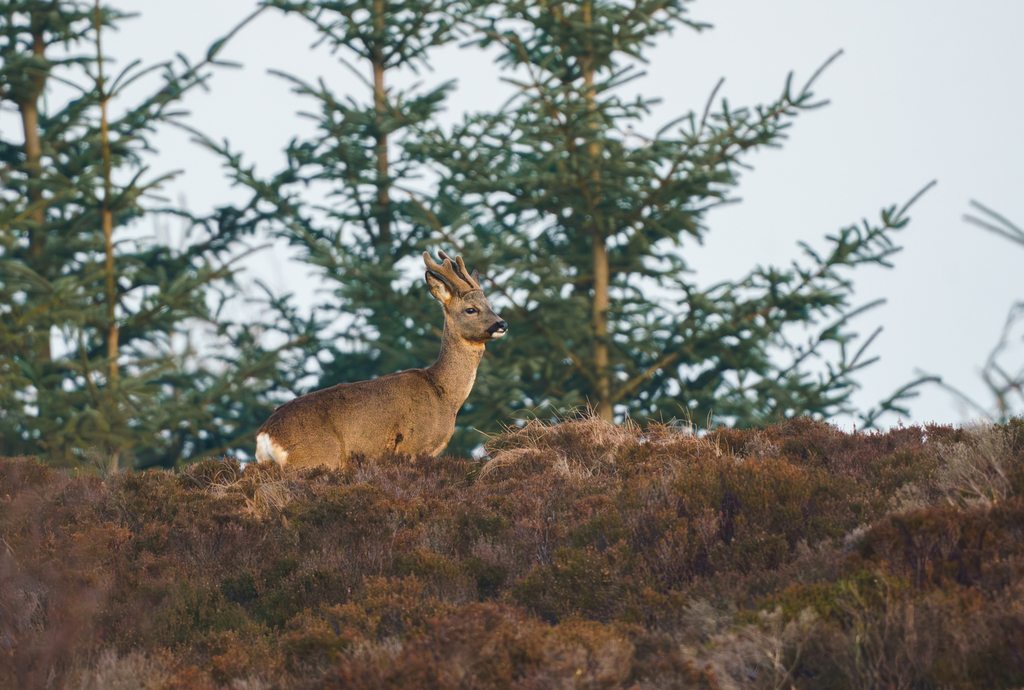 Habitat & biome guide
What animals live in British woodland? Six species ranked by how hard they are to find
From the red fox (Rare) to the pine marten (Legendary): the Kaught woodland species mapped to the forest biome, with when and where to look.
Read the guide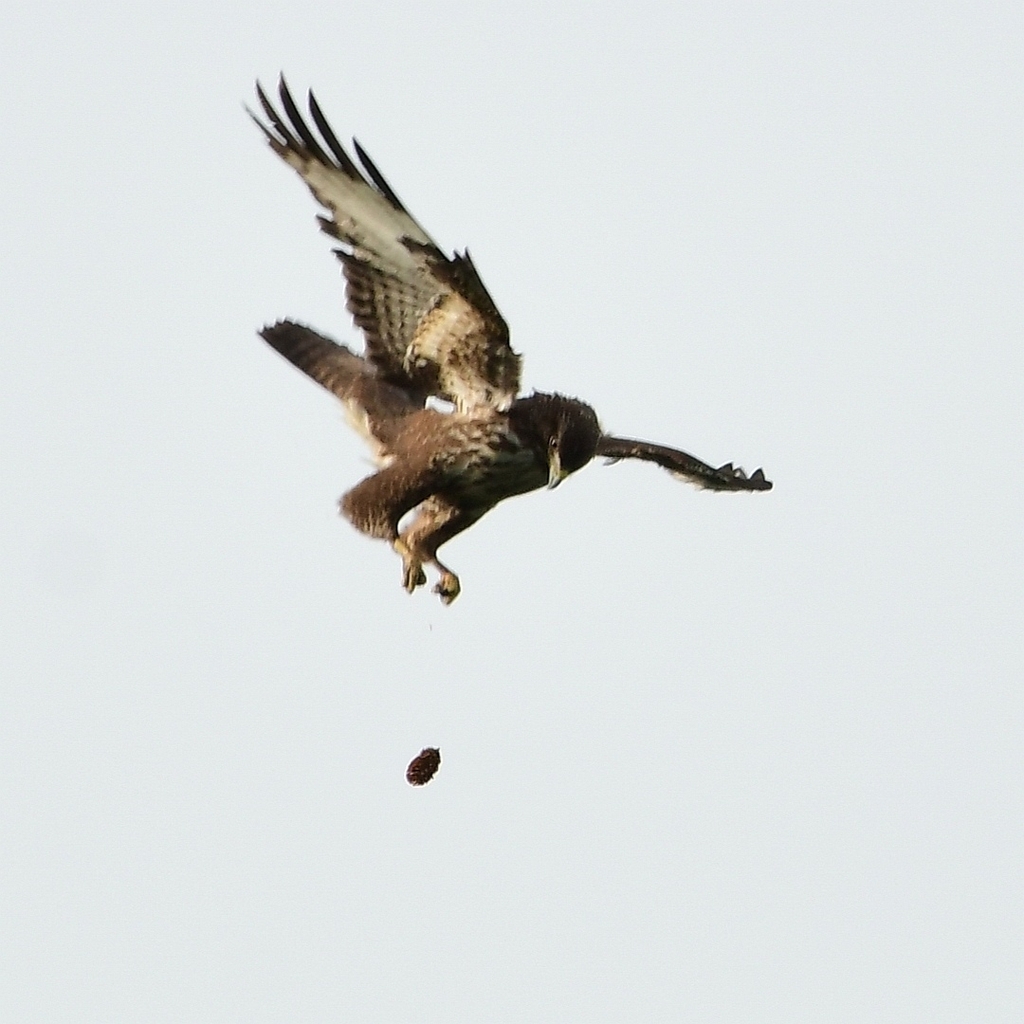 Behaviour guide
Why do buzzards soar? The common buzzard's aerial hunting strategy
Thermals, UV prey trails and a patient perch: how the common buzzard combines two hunting modes to make a living above the British countryside.
Read the guide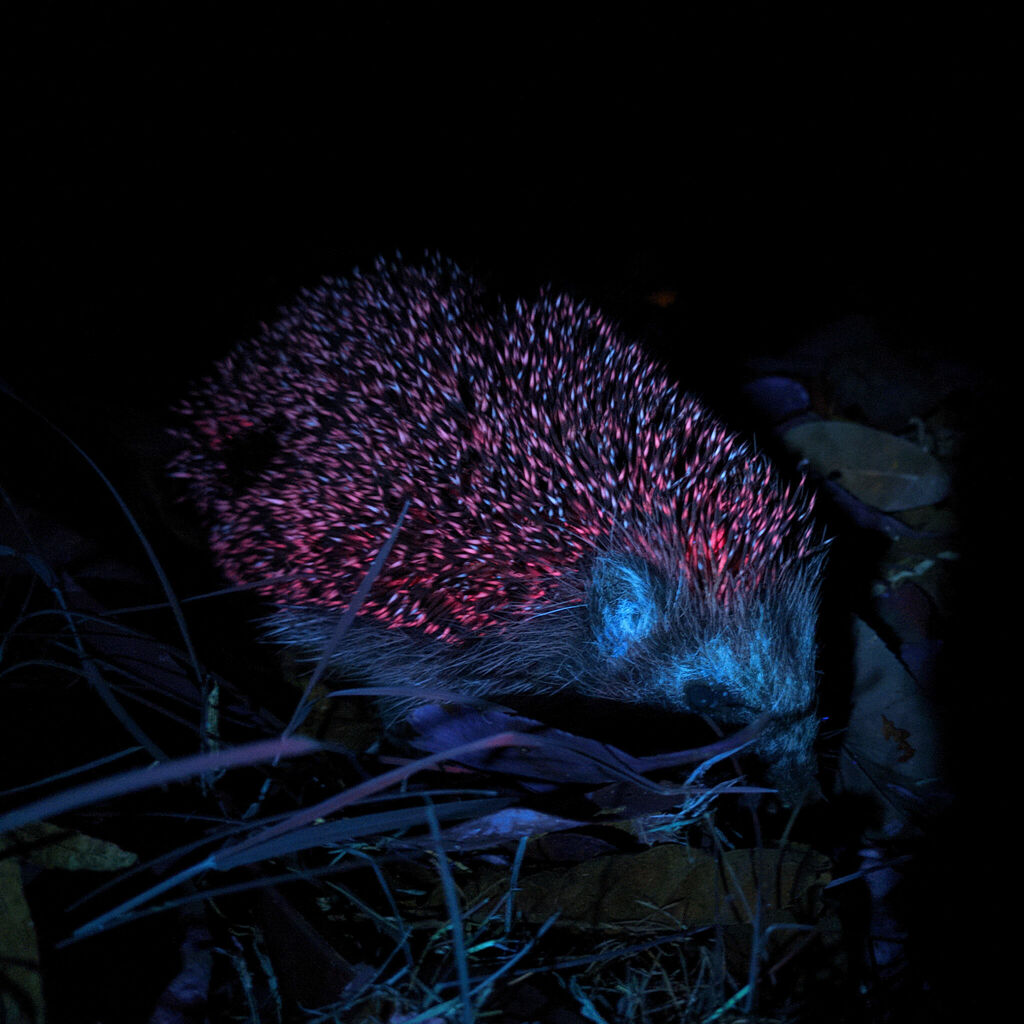 Adaptation explainer
How do hedgehogs survive winter? The biology of true hibernation
Body temperature to 2°C, heart rate to 20 beats per minute, no food for months. What actually happens inside a hedgehog's hibernaculum.
Read the guide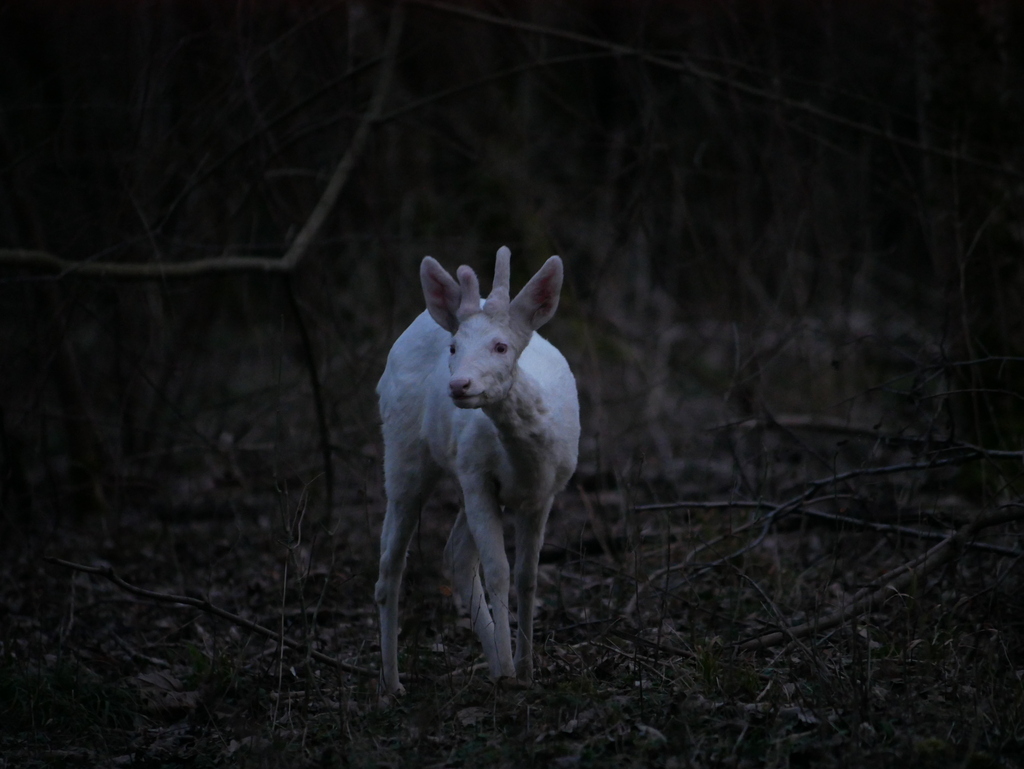 Species spotlight
The Roe Deer: the small, secretive deer living right beside you
Russet coat, cream rump, short antlers, and a rut in July that few people know about. A full field guide to Britain's most common native deer.
Read the guide Rarity ranking
The rarest animals you can actually spot in the UK: a tier ranking
From the Legendary pine marten to the common-tier robin, a frank ranking by real observation frequency using the Kaught rarity system.
Read the guide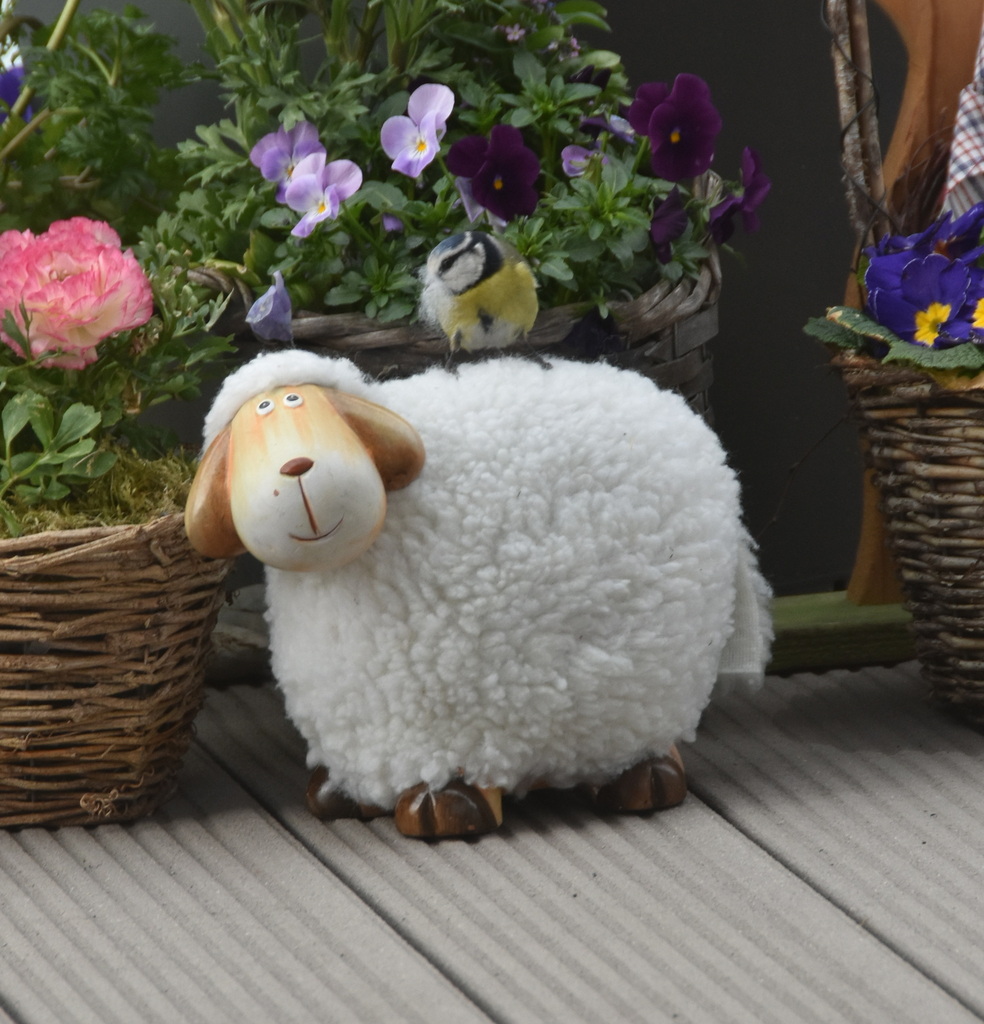 Beginner's field guide
UK garden birds: how to identify 8 species you can spot from your window
One field mark per species. Blue tit, robin, blackbird, great tit, chaffinch, house sparrow, wren and starling.
Read the guide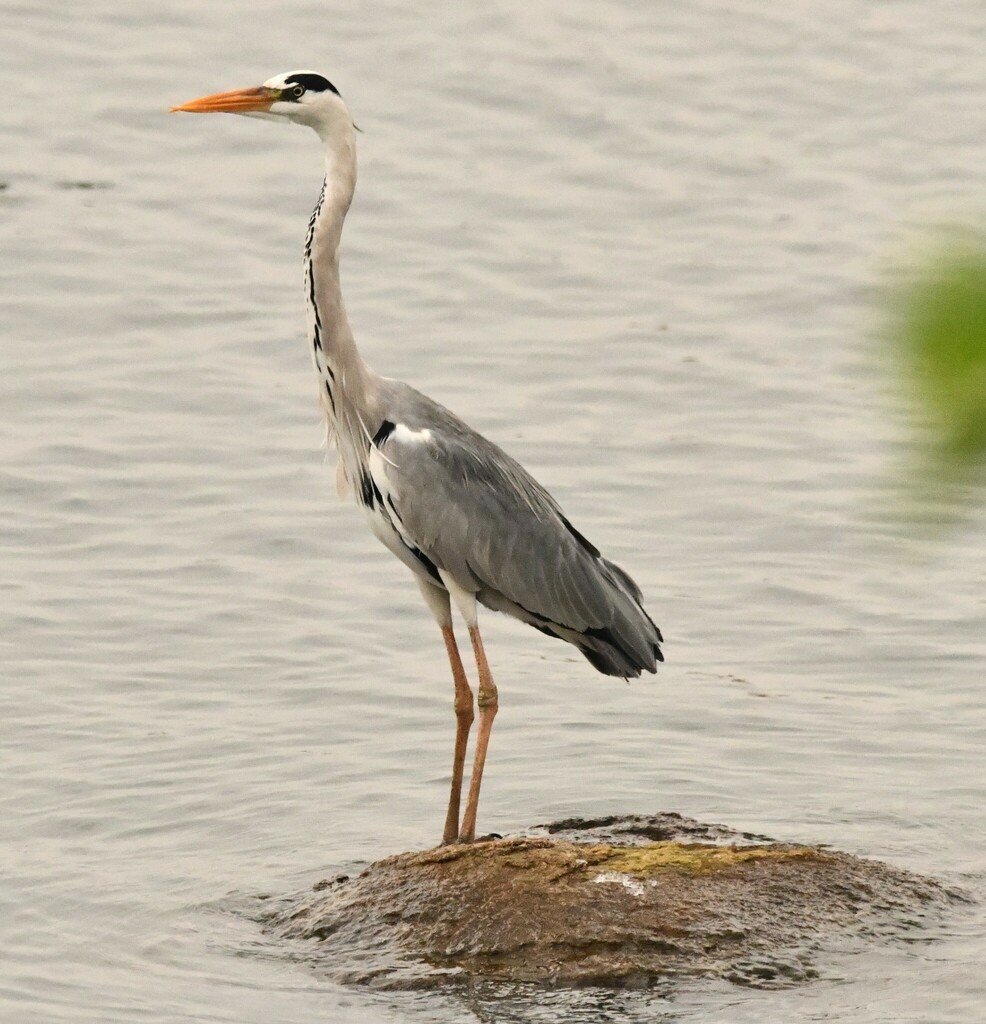 Behaviour guide
Why do herons stand still? The grey heron's hunting secret
Stillness is the weapon: how kinked neck vertebrae, lateral-line physics and absolute patience combine in one extraordinary ambush.
Read the guide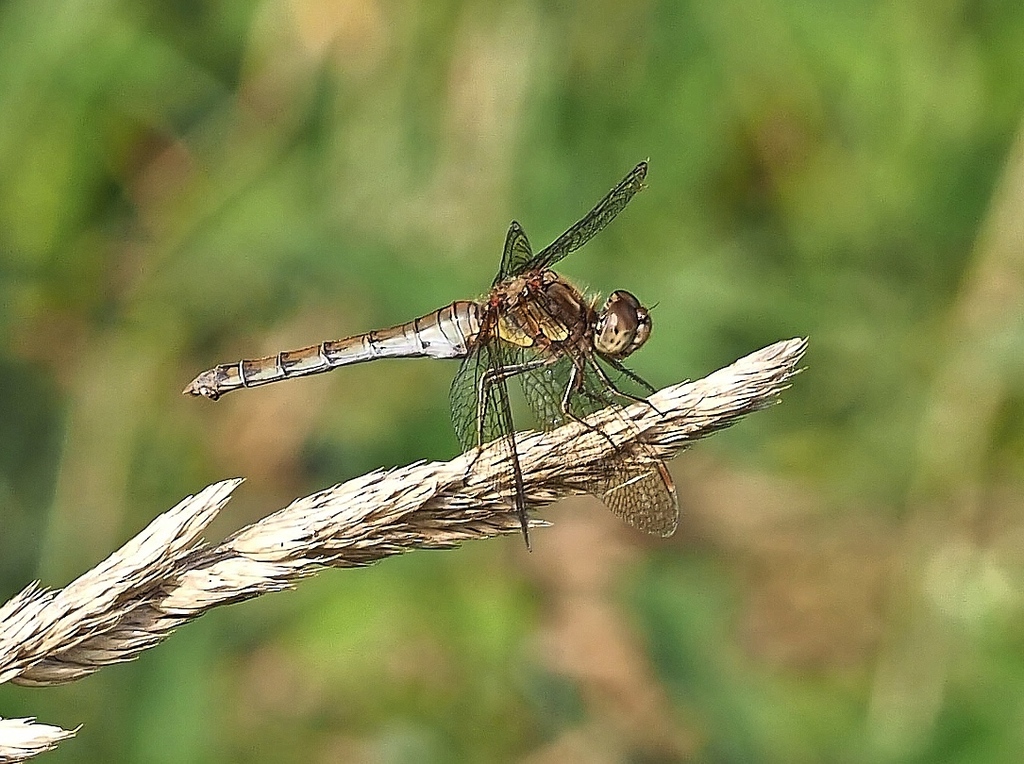 Species spotlight
Common darter dragonfly: how to identify the UK's last dragonfly of the year
Brick-red males, golden females, yellow-striped black legs, and a flight season that runs into November. Here is how to nail the ID.
Read the guide Species spotlight
The Pine Marten: the rarest mammal you could ever catch in a British wood
Chocolate-brown with a creamy yellow bib, nocturnal, and Legendary-tier in Kaught. A full guide to identifying and finding one.
Read the guide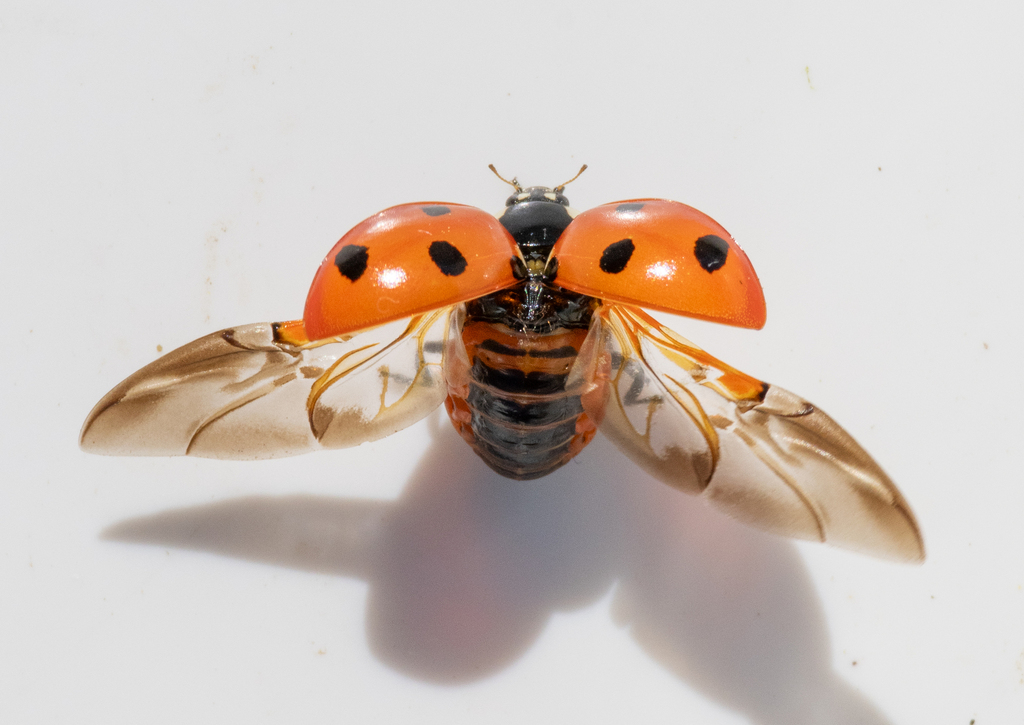 Identify safely
Seven-spot vs harlequin ladybird: the four field marks that separate them
The collar, not the spots, is the fastest way to tell these two common ladybirds apart. Here is the complete guide.
Read the guide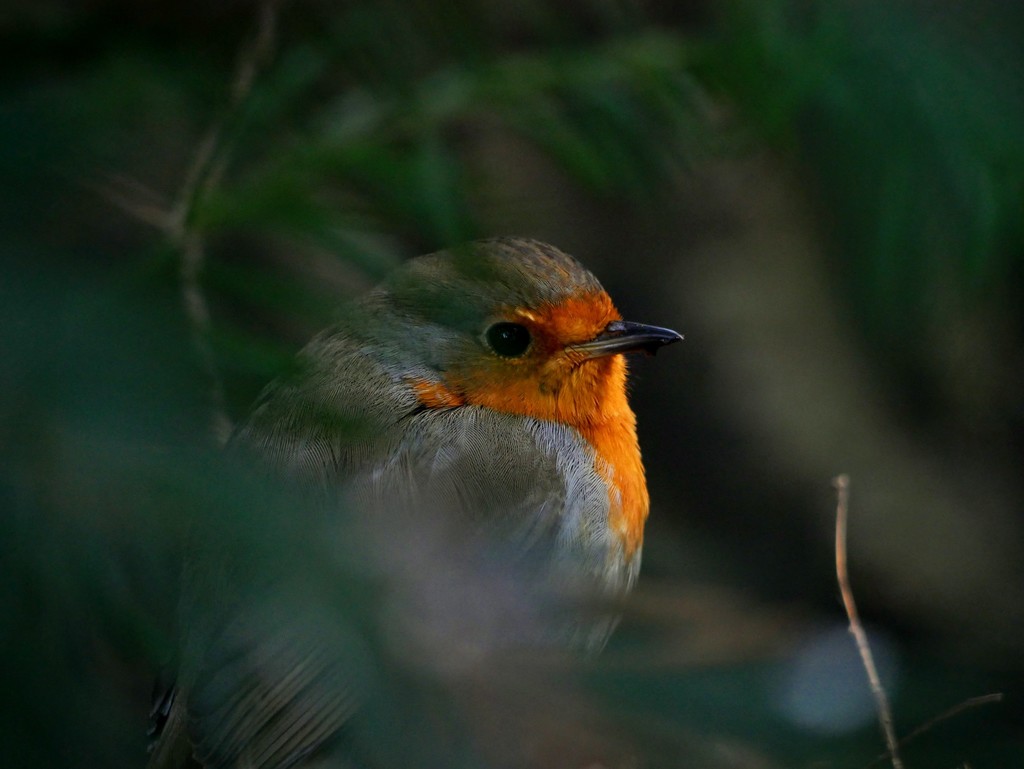 Behaviour guide
Why robins sing in winter: territory, temper, and the bird that never stops
Most birds go quiet in October. The robin does not. Here is why, including why females sing and why robins sing at night.
Read the guide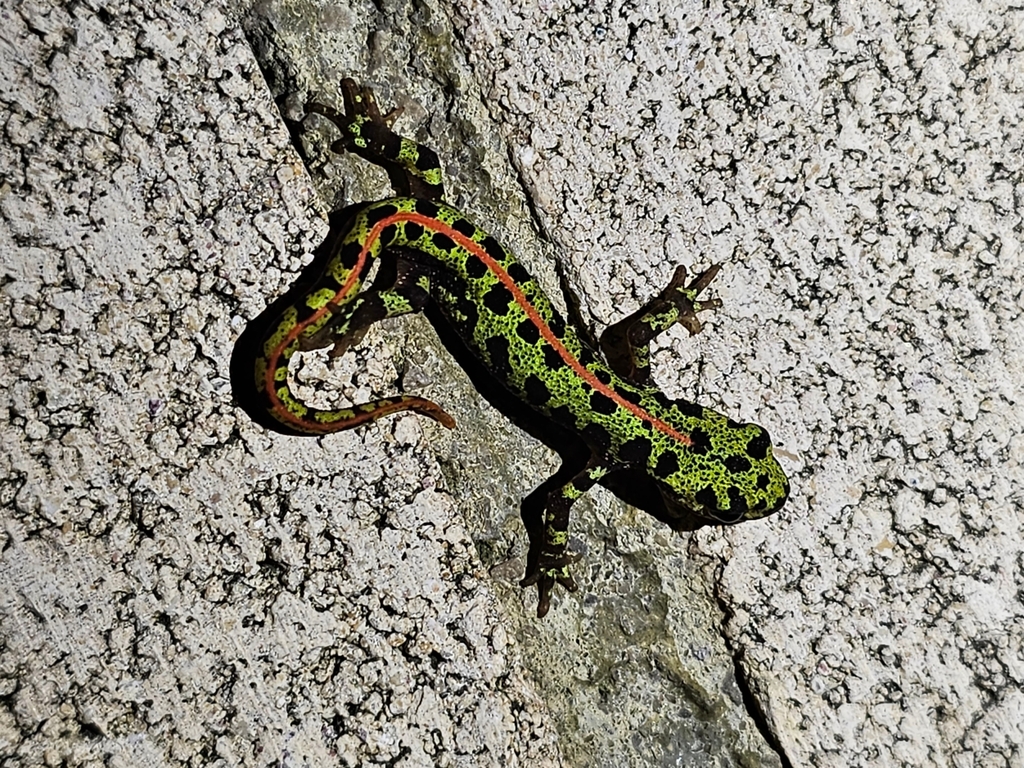 Species spotlight
The Marbled Newt: the amphibian with a crest, a marble coat, and the ability to rebuild a limb
A full guide to identifying, finding and understanding one of western Europe's most striking amphibians.
Read the guide Field comparison
Red squirrel vs grey squirrel: the field marks that actually separate them
Colour, size, ear tufts: which marks to check and in which order to nail a confident ID.
Read the guide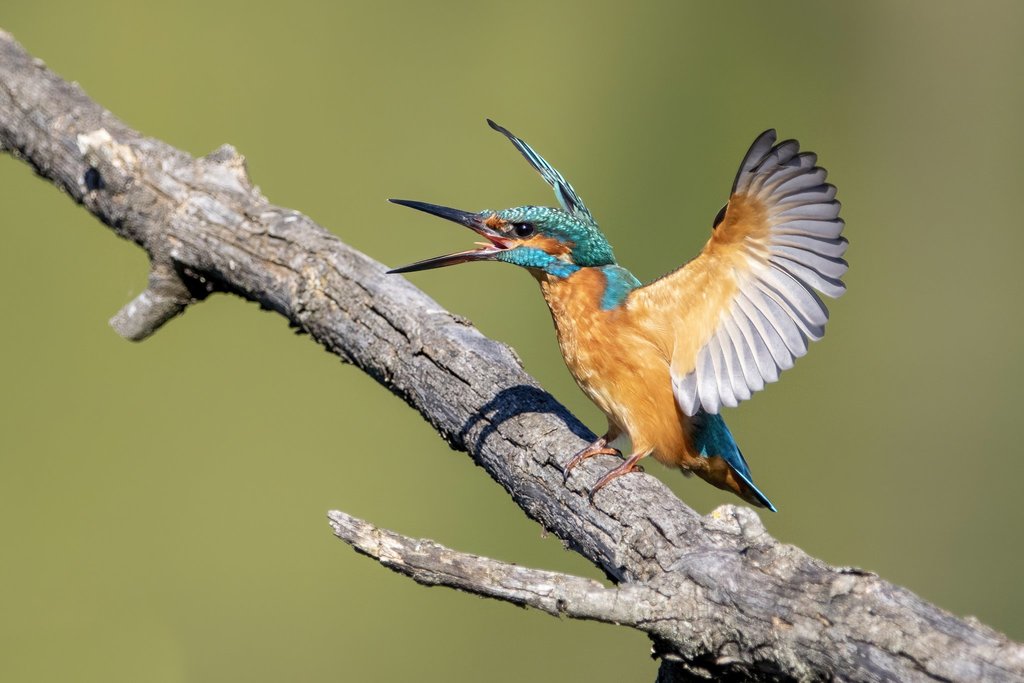 Species spotlight
The Common Kingfisher: how to find one, identify it, and understand the blue
The most striking bird on the river, and the most reliably difficult to watch. Here is how to change that.
Read the guide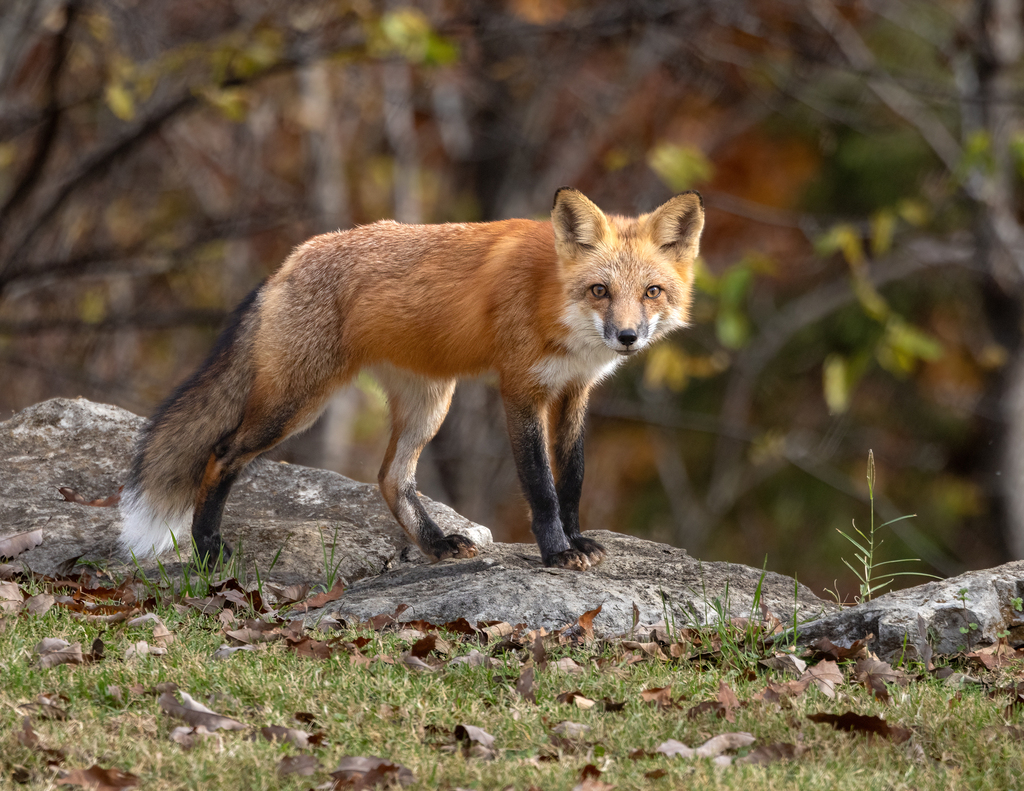 Species spotlight
The Red Fox: the wild animal most likely to be watching you back
How to identify a red fox, where it lives, what it eats, and why it thrives in the middle of cities.
Read the guide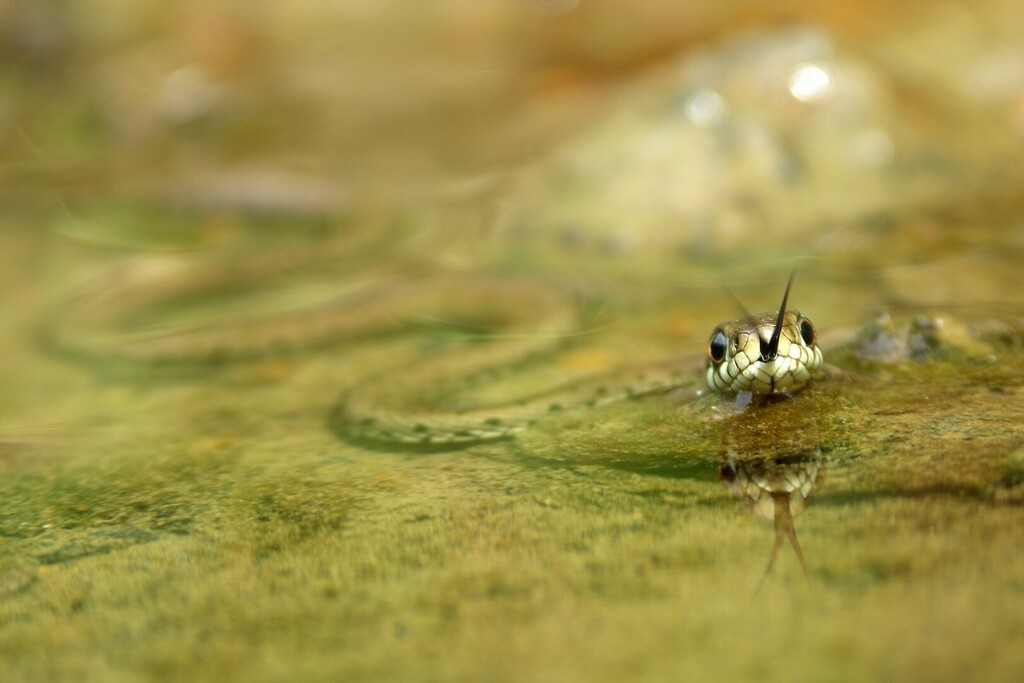 Identify safely
Is the grass snake venomous? The honest, two-second answer
No, and here's how to tell a harmless grass snake from a venomous adder, fast.
Read the guide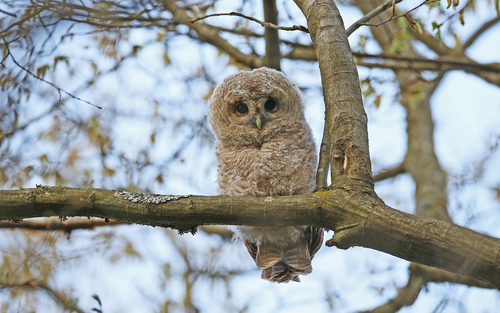 Field guide
9 nocturnal animals you can actually spot after dark
Owls, hedgehogs, foxes and more, what to look and listen for, and the best time to catch each one.
Read the guideNo field notes match your search.