
Superlative ranking
Heaviest animals in the world: 7 record-holders ranked by confirmed body mass
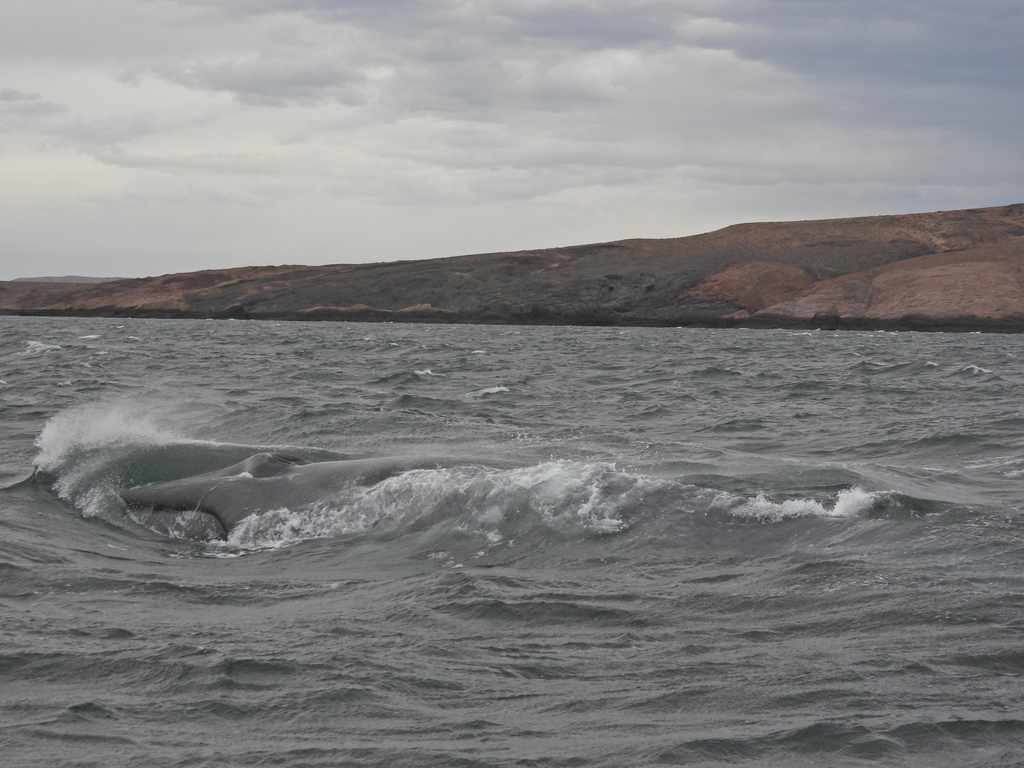
The blue whale is the heaviest animal ever known, reaching 190,000 kg: heavier than every dinosaur, every land animal, and every other sea creature combined. On land, the African savanna elephant at 6,000 kg stands in a weight class of its own. Below is the full ranking, each entry backed by a Kaught catalog card and confirmed measurements.
Mass records are hard to come by. Weighing a whale is a practical problem with no easy solution. The figures below come from direct measurements: weighed carcasses, tagged individuals, and skeletal analysis. They represent the upper end of confirmed data, not estimates.
1. Blue Whale — up to 190,000 kg
The blue whale is not the longest animal ever (that distinction belongs to the bootlace worm, a ribbon worm reaching 55 m), but it is by a wide margin the heaviest. The largest confirmed specimen, weighed in sections after stranding on the coast of Newfoundland in 1926, came to approximately 190,000 kg. Routine adults weigh 100,000 to 150,000 kg.
The scale defies intuition. A blue whale's heart is roughly the size of a small car. Its aorta is wide enough for a human to crawl through. Each heartbeat can be detected by hydrophone 3 km away. A single tongue weighs as much as an elephant. The animal fuels all of this mass by consuming up to 40 million krill per day during the summer feeding season, filter-feeding through 400 baleen plates suspended from its upper jaw.
The ocean makes this mass possible. Water supports the body: a blue whale on land would be crushed by its own weight within hours. No land environment has ever produced an animal heavier than roughly 70,000 to 80,000 kg, the upper estimate for the largest sauropod dinosaurs. The sea has no such ceiling.
2. African Savanna Elephant — up to 6,000 kg
On land, the gap between first and second place is enormous. The largest authenticated male African savanna elephant weighed 10,886 kg in Angola in 1974, but routine large males fall in the 5,000 to 6,000 kg range. No other terrestrial animal is remotely close. The white rhinoceros, in second place among land animals, peaks at around 2,300 kg.
The elephant's trunk, containing approximately 100,000 individual muscle fascicles and no bone, can lift 300 kg or pick up a single coin. The brain, at 5 kg, is the largest of any land animal. The femur bones are positioned directly below the body (not splayed like a crocodile's) to bear the weight without muscular effort, the same engineering solution used by load-bearing pillars.
3. Common Hippopotamus — up to 3,500 kg
The hippo is the third-heaviest land animal, at up to 3,500 kg for large males, though most adults fall between 1,500 and 3,000 kg. It holds a separate record: it is almost certainly the most dangerous large animal in Africa by number of human deaths per year, a statistic driven not by any predatory instinct but by territorial aggression and the fact that it shares rivers with people. Its canine teeth reach 50 cm and its bite force exceeds 8,100 Newtons.
Despite its bulk, the hippo can run at up to 30 km/h on land for short bursts, faster than most people expect of an animal that spends 16 hours a day submerged. It does not swim in the conventional sense but walks along the riverbed and bounces off it in slow motion.
4. White Rhinoceros — up to 2,300 kg
The white rhinoceros is the largest living rhinoceros species and the second-heaviest land animal after the elephant and hippo, at up to 2,300 kg. The name is a mistranslation: the Afrikaans wyd (wide), referring to the square lip adapted for grazing, became "white" in English, though the animal is grey.
The white rhino's horn is made entirely of keratin, the same protein as human fingernails. It can grow to 1.5 m but has no structural bone. The horn is used in territorial displays and to guide calves. Despite its mass, the white rhino can reach 40 km/h in a charge and is capable of turning rapidly for its size.
5. Southern Giraffe — up to 1,930 kg
The giraffe is the tallest land animal, reaching 5.5 m, and the heaviest even-toed ungulate after the hippo, at up to 1,930 kg for large males. Its neck alone can weigh 270 kg. The cardiovascular challenge of pumping blood 2 m up the neck is solved by a heart that weighs up to 11 kg and generates roughly twice the blood pressure of a human heart. When the giraffe lowers its head to drink, a set of pressure-regulating valves and rete mirabile prevents the blood surge from causing a blackout.
Males fight by swinging their long necks to deliver blows with the ossicones (the horn-like skin-covered protrusions), a technique called necking. The neck also functions as a cooling radiator, dissipating excess heat through its large surface area.
6. Brown Bear — up to 600 kg
The brown bear is the largest land predator outside of the polar bear, and the heaviest carnivore on any continent except Antarctica. The largest individuals are Kodiak bears from Alaska, reaching over 600 kg in late autumn before hibernation. Coastal bears have access to salmon runs that inland bears lack, and the caloric surplus from a good salmon season can add 100 kg to a single bear's autumn weight.
Despite their bulk, brown bears can sprint at 55 km/h and are competent swimmers. A forelimb swipe can generate forces exceeding 5,000 Newtons. They are omnivores: plant material, insects, fish and mammals all feature in the diet, with the seasonal emphasis shifting toward calorie density as winter approaches.
7. Saltwater Crocodile — up to 1,000 kg
The saltwater crocodile is the heaviest living reptile and the largest living crocodilian, with exceptional males confirmed at around 1,000 kg. Large individuals are rare and rarely weighed directly, but skeletal analysis of historical specimens suggests that exceptional animals may have exceeded these figures.
The saltwater crocodile holds the record for the strongest measured bite force of any living animal: approximately 16,000 Newtons, enough to crush bone. By contrast, its jaw-opening muscles are so weak that a person could hold the jaws shut with their hands. The engineering is entirely asymmetric: crushing is the function, not opening.
Why the ranking matters: proprietary data behind each entry
Every species above is cataloged in Kaught by primary type, rarity tier (based on observation frequency, not conservation status) and the Lineage field that places each animal on the tree of life. The saltwater crocodile and brown bear sit at Legendary (four diamonds) despite very different observation frequencies from the blue whale, which is Common (one diamond). The rarity tier reflects how often each species is seen by real observers, not how impressive or dangerous it is.
See how these heavyweights compare to the fastest at fastest animals in the world, the strongest at strongest animals in the world, the deepest divers at deepest-diving animals in the world, and the ones built upward rather than outward at tallest animals in the world.
Heaviest animals: frequently asked questions
What is the heaviest animal in the world?
The blue whale (Balaenoptera musculus) is the heaviest animal ever recorded, with confirmed specimens reaching 190,000 kg. It is not only the heaviest living animal but the heaviest animal in the history of life on Earth, outweighing all dinosaurs.
What is the heaviest land animal?
The African savanna elephant (Loxodonta africana) at up to 6,000 kg. No land animal comes close: the next heaviest, the white rhinoceros, peaks at around 2,300 kg, less than half an elephant's weight.
What is the heaviest reptile?
The saltwater crocodile (Crocodylus porosus) at up to 1,000 kg. It is also the largest living reptile by length, reaching up to 6 m, and holds the record for the strongest measured bite force of any living animal.
Is the blue whale heavier than any dinosaur?
Yes. The heaviest dinosaur estimates reach around 70,000 kg for species like Patagotitan. The blue whale at up to 190,000 kg is more than twice as heavy. The ocean allows body masses impossible on land: water supports the body, so there is no structural weight limit.
What is the second heaviest animal?
The fin whale (Balaenoptera physalus) at up to 70,000 kg, followed by the sperm whale at up to 57,000 kg. The first non-whale is the African savanna elephant at up to 6,000 kg, more than ten times lighter than the fin whale.
The next thing you see could be
your first catch.
Kaught is live on the App Store and Google Play. Free to start, and your first catch is one photo away.
Free to start · Live on the App Store and Google Play
Species data, type, rarity tier and measurements, is drawn from the Kaught catalog, built on open biodiversity records from GBIF and iNaturalist. Rarity reflects how often a species is observed in the wild, not its conservation status.