
Behaviour explainer
Monarch Butterfly Migration: the Journey No Single Butterfly Finishes
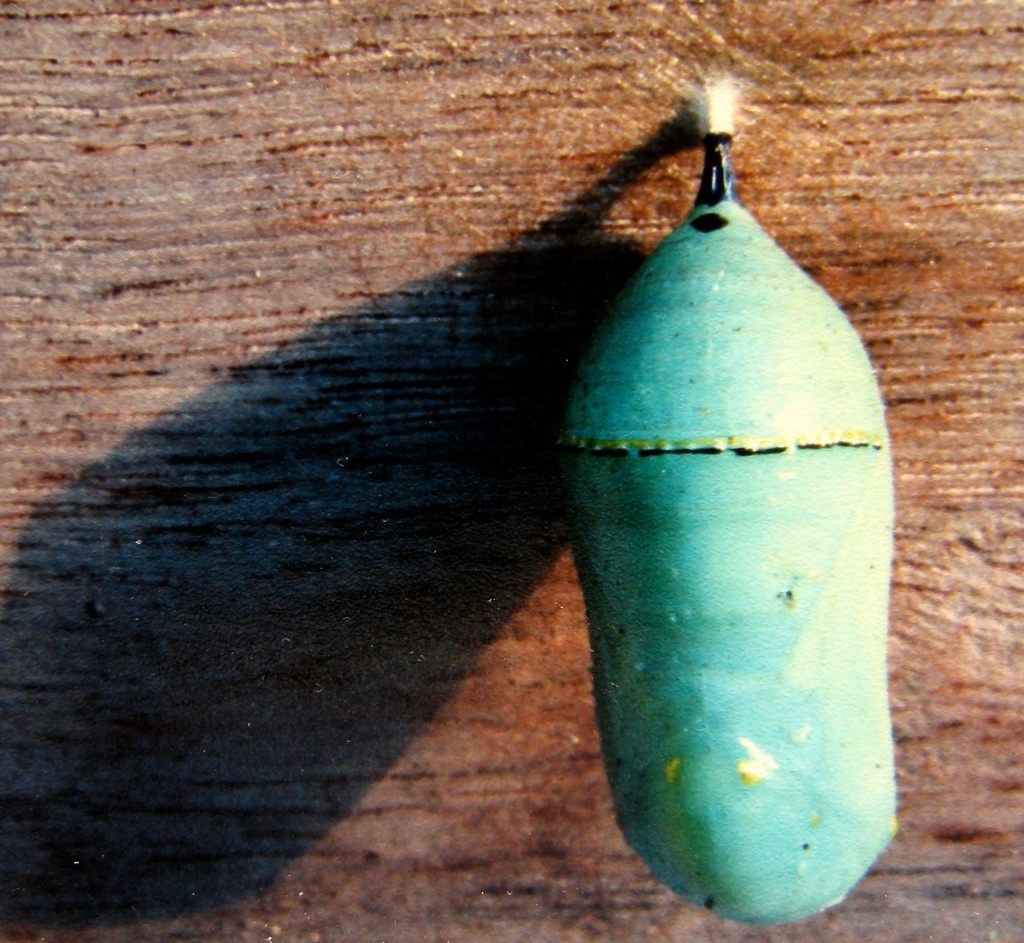
Monarch butterfly migration covers up to 3,000 miles between North America and central Mexico, but no single monarch (Danaus plexippus) makes the round trip. A late-summer "super generation" lives up to nine months, migrates south alone, and finds overwintering groves it has never seen.
Every autumn, millions of monarch butterflies leave the fields and roadsides of the United States and Canada and fly south, some as far as 3,000 miles, without a map, a mentor, or a return ticket. The insect that lands in a Mexican fir forest each November has never made the trip before in its life. It can't have. Here's the relay that actually gets it there.
How monarch butterfly migration actually works
Monarch migration isn't one butterfly's journey, it's a project handed down across an entire year, run by four separate generations. East of the Rocky Mountains, the cycle looks like this:
- Generations one through three are born between spring and mid-summer. Each adult lives just 4 to 6 weeks, long enough to mate, push the population one leg further north, and lay eggs on milkweed before dying.
- Generation four hatches in late summer and does something completely different: it delays reproduction, fattens up on nectar, and flies the entire way south to overwintering sites in the oyamel fir forests of central Mexico's Sierra Madre mountains.
West of the Rockies, a separate population makes a shorter run, typically 300 to 1,000-plus miles, to coastal groves in California between Mendocino and San Diego. Either way, the butterfly that completes the southbound leg is always several generations removed from the one that flew north the previous spring. See our guide to the longest animal migrations in the world for how the monarch's distance compares to migrating birds, whales and fish.
The "super generation": nine months instead of six weeks
That fourth generation is sometimes called the Methuselah generation, and the name fits. Where its parents and grandparents lived a matter of weeks, it lives 7 to 9 months, entering a hormonal state called reproductive diapause that puts egg-laying on hold until spring. It roosts communally in trees overnight by the thousand, glides on rising air to save energy, and can cover roughly 50 miles on a good day. For more animal abilities that sound made up but aren't, see animal abilities that sound impossible.
Come spring, these same long-lived adults finally mate and lay eggs, usually somewhere in the southern United States or Mexico, then die. Generation one of the new year takes over from there.
How do they find a place they've never seen?
No monarch alive has personally scouted the route, yet each fall's migrants land within the same patch of Mexican forest their great-great-grandparents used the winter before. The navigation is built in, not learned.
Monarchs steer with a time-compensated sun compass. One region of the compound eye, the main retina, tracks the sun's position in the sky; a specialised strip called the dorsal rim area reads the pattern of polarised light instead, which still works under thin cloud. Because the sun moves through the day, that heading has to be constantly corrected, and the clock doing the correcting sits in the antennae, not just the brain. Researchers have also found evidence that monarchs fall back on the Earth's magnetic field for direction when the sky is overcast, though exactly how that sense works is still being studied. It's a navigation toolkit that rivals the one described in how bees navigate, built into an insect that weighs about as much as a paperclip's worth of ink.
Why monarch caterpillars only eat milkweed
A monarch caterpillar is a specialist, not a generalist: it eats milkweed (Asclepias species) and essentially nothing else. Milkweed sap carries toxic compounds called cardenolides, and the caterpillar stores rather than breaks them down, carrying that chemical defence straight through metamorphosis into the adult butterfly. That's the real reason for the bold orange, black and white pattern on both the caterpillar and the wing: it's a warning label, learned fast by any bird that tries a bite.
Monarch vs viceroy: telling them apart
The viceroy butterfly (Limenitis archippus) is close enough in colour and pattern that the pairing became a textbook mimicry example. For decades it was taught as one-way mimicry, a harmless viceroy borrowing a toxic monarch's warning colours. Research since has found viceroys are unpalatable to birds in their own right, carrying defensive chemicals from the willow-family plants their caterpillars eat, so both species are now understood to reinforce the same warning signal rather than one faking the other.
The field mark that actually separates them: a viceroy has one extra black line running horizontally across the veins of its hindwing that a monarch never shows. Viceroys also tend to be a touch smaller and fly closer to the ground, near the willows and poplars their caterpillars need.
Why is the monarch butterfly "Common" in Kaught?
With a life story like this, "Common" can look like an undersell. It isn't a comment on how remarkable the journey is, and it isn't a statement about how threatened the species is either. In the Kaught catalog, rarity tracks one thing only: how often a species is actually logged in real-world sightings. The monarch shows up in the catalog's observation data more than almost any other insect, migrating in open, visible daylight through backyards, parks and roadsides across an entire continent, which is exactly why it sits at the Common tier, one diamond out of four.
Monarch butterfly migration: frequently asked questions
How far do monarch butterflies migrate?
Eastern North American monarchs travel up to 3,000 miles between the US and Canada and their overwintering groves in central Mexico. Western monarchs make a shorter trip, typically 300 to 1,000-plus miles, to the California coast.
Why does monarch migration take four generations to complete?
Spring and summer monarchs live only 4 to 6 weeks, just long enough to move the population one leg north before laying eggs and dying. Only the fourth, late-summer generation lives long enough, 7 to 9 months, to fly the whole way south.
How do monarch butterflies find their way if they've never made the trip?
They use a time-compensated sun compass: one part of the eye tracks the sun's position, another reads polarised light, and a clock in the antennae corrects for the time of day. The route itself appears to be inherited, not learned.
Why do monarch caterpillars only eat milkweed?
Milkweed is their only host plant. Caterpillars sequester its toxic cardenolides in their own tissue and carry that chemical defence into adulthood, which is why both caterpillar and butterfly wear bold warning colours.
What's the difference between a monarch and a viceroy butterfly?
A viceroy is slightly smaller and has one extra black line crossing the veins of its hindwing that a monarch lacks. Both are unpalatable to predators; the viceroy carries its own chemical defence from willow-family host plants, not a borrowed one.
When do monarch butterflies migrate?
Southbound migration runs roughly August through November, peaking in September and October across most of the US and Canada. The return north begins the following spring as overwintered adults leave Mexico and California.
Why is the monarch butterfly "Common" in Kaught despite the epic journey?
Kaught's rarity tier tracks how often a species is actually logged in sightings, not how remarkable its life story is. The monarch is one of the most frequently recorded insects in the catalog, so it sits at the Common tier.
The next thing you see could be
your first catch.
Kaught is live on the App Store and Google Play. Free to start, and your first catch is one photo away.
Free to start · Live on the App Store and Google Play
Species data, type, rarity tier and measurements, is drawn from the Kaught catalog, built on open biodiversity records from GBIF and iNaturalist. Rarity reflects how often a species is observed in the wild, not its conservation status.