
Adaptation explainer
How do hedgehogs survive winter? The biology of true hibernation
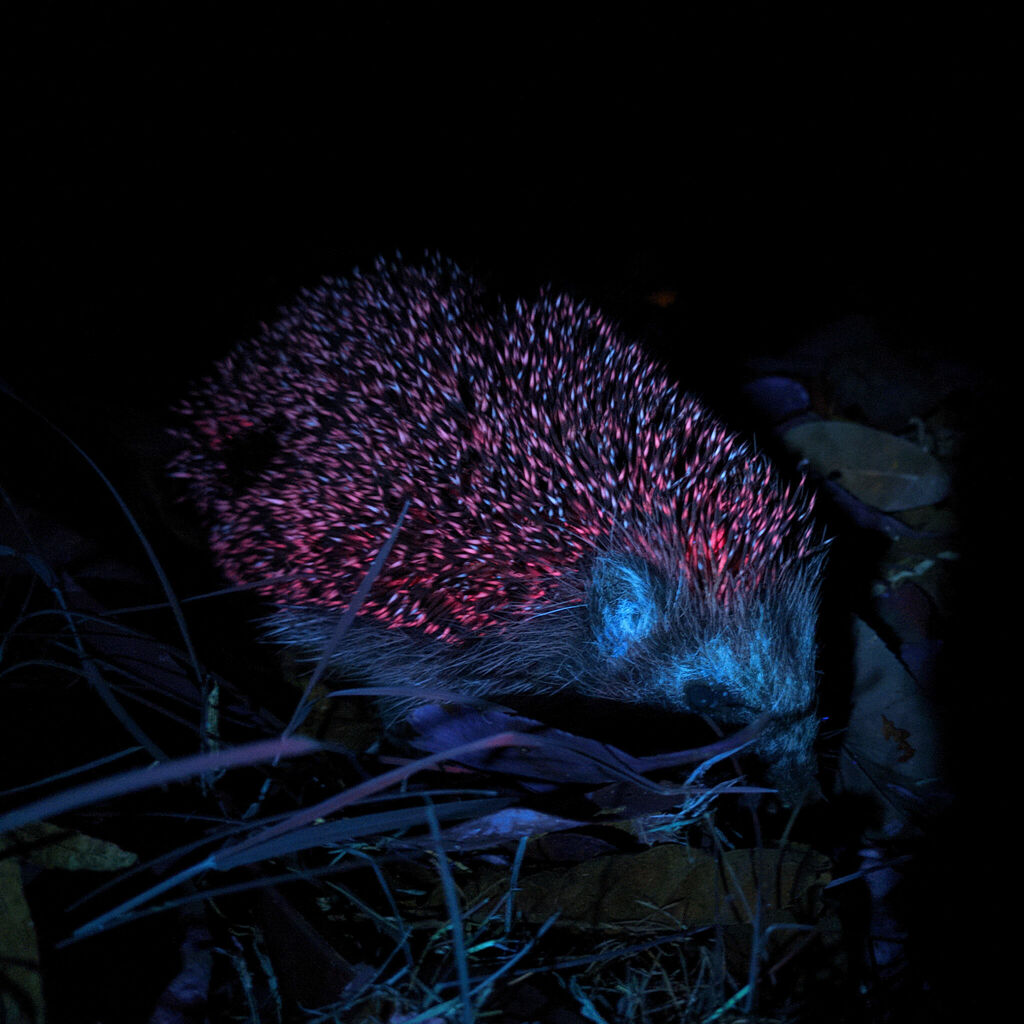
The European hedgehog (Erinaceus europaeus) enters true hibernation: body temperature drops to near ambient (sometimes 2°C), heart rate falls from roughly 190 to about 20 beats per minute, and the animal survives entirely on fat built up through autumn. A well-timed, fat-rich autumn is the difference between waking in spring and not.
In late October the hedgehogs in your garden start to disappear. They do not migrate, they do not move to a warmer spot. They pull themselves into a ball in a carefully constructed leaf nest, and they essentially stop. What happens next is one of the most dramatic physiological feats in British wildlife.
What hibernation actually means for a hedgehog
Hibernation is often used loosely to mean "sleeping through winter." For hedgehogs it means something far more radical. The animal enters a state of torpor in which nearly all metabolic processes slow to a fraction of their normal rate.
- Body temperature: drops from around 35°C when active to within one or two degrees of the surrounding air, sometimes as low as 2°C.
- Heart rate: falls from roughly 190 beats per minute to about 20, sometimes fewer.
- Breathing: becomes very slow and irregular. Intervals of a minute or more between breaths are normal.
- Metabolic rate: drops by roughly 98 per cent.
The hedgehog lives entirely off its stored fat from this point until spring. It takes in no food and no water. By the time it emerges, it will have lost between 25 and 35 per cent of its pre-hibernation body weight.
The fat race: why autumn matters
The single most important factor in a hedgehog's winter survival is how heavy it is when it enters the hibernaculum. Research puts the threshold at around 450 g minimum, with 600 g or above giving a comfortable margin for a full British winter. A hedgehog that weighs 350 g in late October is in serious trouble.
This means August, September and October are a critical feeding window. Hedgehogs that can access a good supply of beetles, earthworms, slugs and caterpillars in those months build enough brown fat (a thermogenic fat used by hibernating mammals) to bridge the winter. Those that cannot, do not make it.
An adult hedgehog carries around 5,000 to 7,000 spines, each a modified hair, but the spines offer no insulation during hibernation. It is the fat and the insulating nest that matter.
The hibernaculum: where they sleep and why
A hibernating hedgehog builds a hibernaculum: a tight, roughly football-sized bundle of dry leaves and grass packed around the curled animal. Favoured sites include the base of dense hedgerows, under log piles, beneath piles of garden debris, inside compost heaps (the outer insulating layers, not the hot centre), and in the untidy corners of gardens that people usually tidy away.
The nest's insulating value is critical. A hibernaculum under a metre of leaf litter can maintain a temperature several degrees above ambient air on a cold night, keeping the hedgehog just above the point where its heart would stop.
Triggers: what sends a hedgehog to bed
The trigger is temperature rather than day length. A consistent run of cold nights, typically below about 5°C, combined with a drop in available invertebrate prey, signals that the time has come. Most UK hedgehogs are in hibernation somewhere between late October and mid-December, and most re-emerge between March and April. Late entries (October) and early exits (February) are both possible in mild years.
The problem with mild winters
A warm spell in January or February can rouse a hibernating hedgehog from torpor. Coming round from deep hibernation costs a significant amount of energy, so an aroused hedgehog immediately starts burning fat that it can ill afford to lose. With little insect food available and cold nights likely to resume, it must either feed enough to compensate before returning to torpor, or risk running out of reserves before spring.
Repeated arousals through a mild, unsettled winter are a genuine survival risk. A hedgehog that surfaces five or six times through the season may arrive at March lighter than it needs to be.
What this means if you find one in winter
A hedgehog found wandering in daylight during winter is a concern. A healthy hibernating hedgehog is invisible. One that is out and moving in cold weather may be underweight, disturbed from its nest, or simply not yet found a good spot. The best immediate move is to weigh it (a kitchen scale and a box will do): anything below 400 g in November or December needs help from a local hedgehog rescue.
Finding a sleeping hedgehog in a bonfire pile is more common than people realise, particularly in autumn. Check before you light.
How rare is the hedgehog in Kaught?
The European hedgehog sits at Rare in the Kaught catalog: two diamonds from four. Kaught's rarity is observation-derived. Hedgehogs are nocturnal and spend much of the year out of sight, whether snuffling through leaf litter in the dark or sealed in a hibernaculum under a log pile. A clear, confirmed hedgehog sighting is genuinely less common than a daily garden bird, which puts it at Rare. See our guide to spotting nocturnal animals for tips on timing your best chances.
Hedgehog hibernation: frequently asked questions
Do hedgehogs really hibernate?
Yes. The European hedgehog enters true hibernation. Body temperature drops to near ambient (sometimes 2°C), heart rate falls from about 190 to roughly 20 beats per minute, and breathing becomes slow and irregular. It lives entirely on stored fat for weeks at a time without eating or drinking.
When do hedgehogs hibernate?
Most UK hedgehogs enter hibernation between October and December and emerge between March and April. The trigger is falling night temperatures below around 5°C, not a fixed date. Mild autumns push entry later; cold snaps push it earlier.
How do hedgehogs prepare for winter?
They eat heavily through August, September and October to reach a safe weight, ideally 600 g or above. They also build a hibernaculum: a dense nest of dry leaves and grass, usually under a log pile, hedge base, or garden debris pile.
What happens to a hedgehog's body during hibernation?
Metabolic rate drops around 98 per cent. Body temperature falls to near ambient. Heart rate slows to about 20 beats per minute. Breathing becomes very slow and irregular. The hedgehog loses 25 to 35 per cent of its body weight by spring, entirely from fat.
What happens to hedgehogs in a mild winter?
Warm spells rouse hedgehogs from torpor, burning fat reserves. With little insect food available, they must feed enough to compensate before returning to hibernation. Repeated arousal through a mild winter can deplete reserves to a dangerous level before spring arrives.
How rare is the hedgehog in Kaught?
Rare: two diamonds out of four. Kaught's rarity measures how often a species is actually recorded in the wild, not whether it is threatened. Hedgehogs are nocturnal and spend much of the year hidden, so a clear sighting is less common than an everyday garden bird.
The next thing you see could be
your first catch.
Kaught is live on the App Store and Google Play. Free to start, and your first catch is one photo away.
Free to start · Live on the App Store and Google Play
Species data, type, rarity tier and measurements, is drawn from the Kaught catalog, built on open biodiversity records from GBIF and iNaturalist. Rarity reflects how often a species is observed in the wild, not its conservation status.