
Identify safely
Brown Recluse Spider: the mark that matters, and the bites that usually aren't
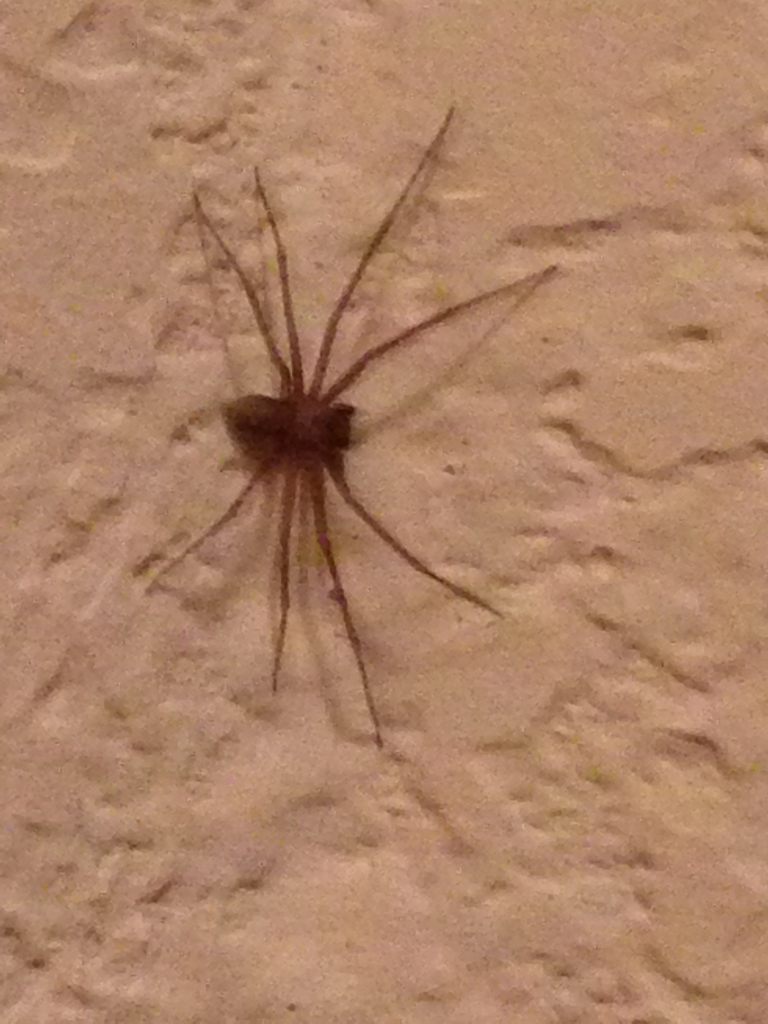
The brown recluse (Loxosceles reclusa) is a small brown spider with six eyes instead of eight and, often, a violin marking on its back. Its bite can occasionally cause a slow-healing wound, but only inside its real range: the central and southern US. Most reported bites elsewhere are something else.
No spider in North America carries a bigger reputation gap than the brown recluse. It's blamed for wounds across the entire country, yet it only actually lives in a fairly narrow band of it. Here's how to tell a real one from the many things it gets mistaken for, what its bite does and doesn't do, and why the diagnosis is wrong so much more often than people expect.
How to identify a brown recluse spider
The reliable marks take a closer look than the famous one:
- Six eyes, not eight: arranged in three pairs in a small semicircle near the front of the head. This is the single most trustworthy field mark, though it usually takes a magnifier or a sharp photo to check.
- Uniform colour: plain tan to dark brown all over, with long, thin legs that carry no bands, spines or stripes.
- The violin mark: a darker, violin-shaped patch on the front body section, neck pointing toward the rear. It's genuinely present on many individuals, but it fades in younger or recently moulted spiders and shows up on plenty of unrelated species too, so it should never be the only clue you trust.
- Size: a body around 6-20 mm with a leg span to roughly 3 cm, small enough to fit under a bottle cap.
Where do brown recluse spiders actually live?
Within a defined band of the central and southern United States: roughly from central Texas and western Georgia north to Kentucky and southern Ohio, Indiana, Illinois and Iowa. Inside that range it's genuinely common, sheltering by day in woodpiles, cardboard, closets, cellars and crawl spaces, drawn indoors to cardboard because it mimics the loose bark it hides under in the wild. Outside that range, confirmed sightings are almost nonexistent. The species has never established a population in California or the northeastern US, no matter how often "found in my garage" reports suggest otherwise.
Why so many "brown recluse bites" are diagnosed outside its range
Because most of them aren't brown recluse bites. A multi-year survey of California, a state with no established population, drew 581 spiders submitted by the public as suspected brown recluses; only one turned out to be genuine. Meanwhile, poison centres in states like Georgia and South Carolina have logged hundreds of clinically diagnosed "bites" a year, against a historical record of only a few dozen confirmed spiders ever found there. The likeliest real cause of most of those wounds is a bacterial skin infection, commonly MRSA, which produces a necrotic lesion that looks alarmingly similar without a spider anywhere near it.
Is a brown recluse bite actually dangerous?
Usually not severely. Most bites cause nothing worse than local redness, itching or mild swelling that resolves without treatment. The venom contains a dermonecrotic enzyme called sphingomyelinase D, which can break down tissue at the bite site; in one clinical study this progressed to a genuinely necrotic wound in roughly a third of confirmed cases. Left alone, that wound can take weeks to heal and occasionally needs medical care, but severe systemic reactions and deaths are rare, and the great majority of bites, real ones included, never reach that point.
How does a brown recluse actually hunt?
Not with its web. The irregular, non-sticky silk it spins is a daytime retreat, not a trap for prey. After dark the spider leaves that shelter entirely and hunts insects on foot across the floor or ground. That habit is also the most common reason people get bitten at all: not from an ambush, but from a wandering spider that ends up trapped against skin inside a shoe, a stack of folded laundry or bedding that hasn't been shaken out.
What to do if you're bitten
Wash the site with soap and water, apply a cold compress to slow the venom's spread, and keep the area elevated. See a doctor if you notice spreading redness, a blistering or discoloured centre, or a wound that isn't improving after a day or two, especially if you can identify the spider or live inside its actual range. Skip the folk remedies: don't cut the skin, don't apply heat, and don't try to draw out the venom. None of it helps, and cutting in particular raises the risk of infection.
How rare is the brown recluse in Kaught?
In the Kaught catalog the brown recluse sits at the Common tier, one diamond out of four. That might seem low for a spider with this much reputation, but Kaught's rarity reflects how often a species is actually confirmed in the wild, not how dangerous or notorious it sounds. Inside its real range it turns up reliably in sheds, closets and woodpiles, so confirmed records accumulate quickly, exactly the pattern behind a Common rating.
For a very different spider with an equally exaggerated reputation, the black widow spider guide covers the hourglass mark that actually matters. The most venomous animals in the world ranking puts this spider's toxin in context against the rest of the animal kingdom, how spiders spin silk explains the glands behind every web on this page, and the jumping spiders guide shows a harmless arachnid that hunts by sight instead.
Brown recluse spider: frequently asked questions
Is a brown recluse spider bite dangerous?
Usually not severely. Most bites heal on their own with no more than local redness and irritation. In a minority of cases, roughly a third in one clinical study, the bite develops into a slow-healing necrotic wound as the venom's dermonecrotic toxin breaks down tissue at the site.
How do you identify a brown recluse spider?
Look for a small, uniformly tan to dark brown spider with long, plain legs (no bands or spines) and six eyes arranged in three pairs, rather than the eight most spiders have. A dark violin-shaped marking often sits on its back, but it can fade or vanish, so don't rely on it alone.
Where do brown recluse spiders actually live?
In a defined band of the central and southern United States, roughly from central Texas and western Georgia north to Kentucky and southern Ohio, Indiana, Illinois and Iowa. It has never established populations in California or the northeastern US, despite persistent rumours.
Why are so many "brown recluse bites" diagnosed outside its actual range?
Because the wounds get misdiagnosed. A landmark study found only one confirmed brown recluse among 581 spiders submitted in California, yet doctors there still report bites yearly. Most of those lesions turn out to be bacterial infections such as MRSA, not spider venom.
Does a brown recluse build a web to catch prey?
No. Its irregular, non-sticky web is a daytime shelter, not a trap. After dark it leaves the web entirely and hunts insects on foot, which is also why bites usually happen when a wandering spider gets trapped against skin, in bedding, clothing or shoes.
What should you do if you're bitten by a brown recluse?
Wash the site, apply a cold compress, elevate the area, and see a doctor if you notice spreading redness, a blistering centre or the wound isn't improving after a day or two. Skip folk remedies like cutting the skin or applying heat, they make outcomes worse, not better.
Why is the brown recluse "Common" in Kaught?
Kaught's rarity tier tracks how often a species is actually confirmed in the wild, not how alarming its reputation is. Within its real range the brown recluse turns up reliably in sheds, closets and woodpiles, so confirmed records add up quickly, placing it at the Common tier.
The next thing you see could be
your first catch.
Kaught is live on the App Store and Google Play. Free to start, and your first catch is one photo away.
Free to start · Live on the App Store and Google Play
Species data, type, rarity tier and measurements, is drawn from the Kaught catalog, built on open biodiversity records from GBIF and iNaturalist. Rarity reflects how often a species is observed in the wild, not its conservation status.