
Evolution story
The Great Spotted Cuckoo: the parasite that never evicts, and the magpies that still take the bait
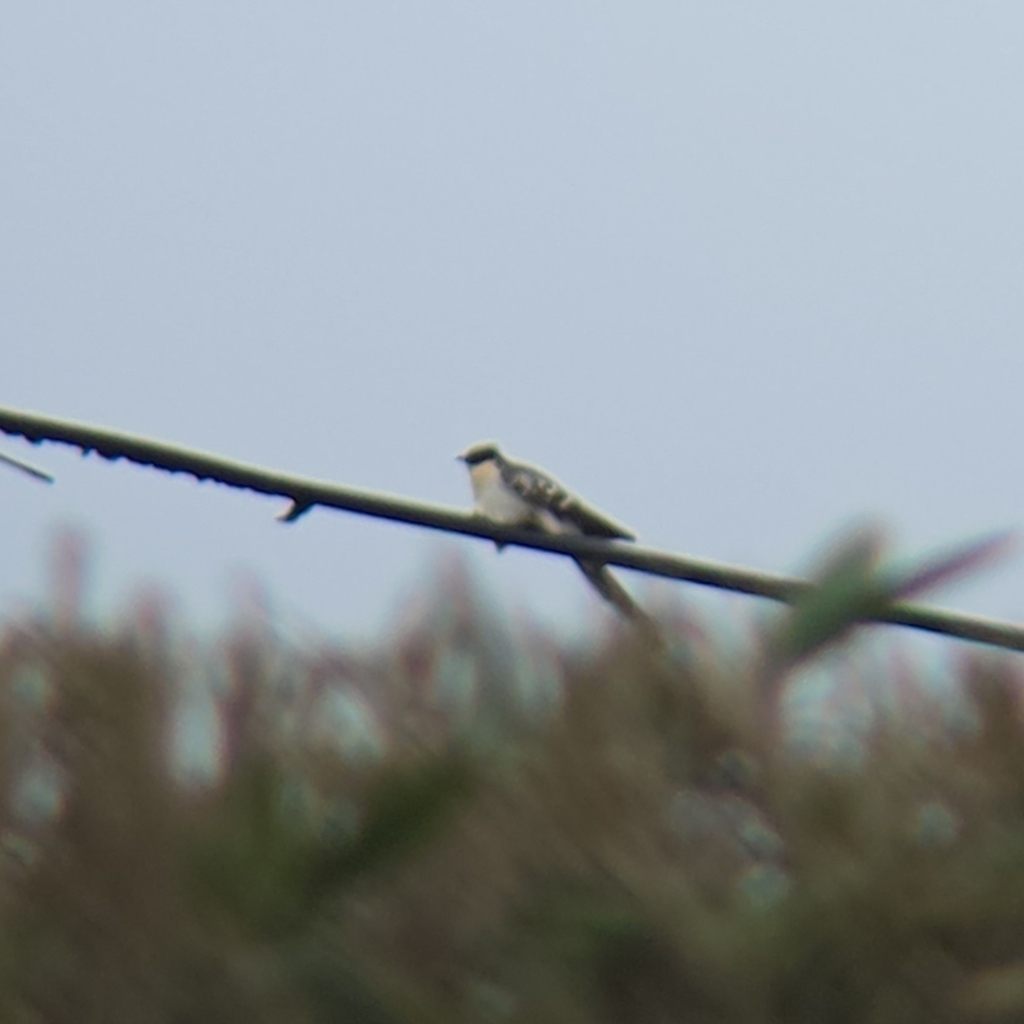
The great spotted cuckoo (Clamator glandarius) lays its eggs in magpie nests but, unlike the common cuckoo, never evicts the host's own eggs or chicks. Its egg hatches about four days early instead, letting the chick out-beg its nest-mates for food. Magpies that reject the egg often lose the whole nest soon after, a pattern researchers call the "mafia hypothesis".
Every schoolyard version of the cuckoo story ends the same way: an impostor egg hatches, the chick shoves every rightful egg out of the nest, and the foster parents raise a single fat impostor to the exclusion of all else. The great spotted cuckoo, one of the largest cuckoos in the world and a specialist parasite of the Eurasian magpie, breaks that script entirely. Its chick shares the nest. It just refuses to lose.
A cuckoo that shares the nest
Across four disjunct populations spanning the Mediterranean Basin and Africa, the great spotted cuckoo makes its living the same way: a female slips into an unattended magpie nest, removes nothing, and leaves behind a single egg among the host's own clutch. That alone sets it apart from its more famous relative. The common cuckoo chick hatches, and within hours its bare back develops a reflex that heaves every other egg and chick over the rim, one at a time, until it has the nest entirely to itself. The great spotted cuckoo chick does none of that. It hatches, stays put, and grows up alongside the magpie chicks it was smuggled in among.
Winning by four days, not by force
Sharing a nest sounds like a fairer fight, until the timing is accounted for. A great spotted cuckoo egg incubates roughly four days faster than a magpie's own egg, so by the time the host chicks break their shells, the parasite chick is already bigger, louder and better coordinated. It uses that head start to out-beg its nest-mates at every feeding, monopolising the food the parents bring back. The magpie chicks are rarely killed outright. They simply lose often enough, meal after meal, that many starve before fledging, an outcome the cuckoo never has to lift a wing to cause.
The nests it chooses
Great spotted cuckoos do not parasitise magpie nests at random. Studies of Iberian populations, where the magpie is the primary host and the carrion crow an occasional second choice, show a clear preference for large, well-built nests over smaller, flimsier ones. A big nest signals a capable, well-resourced pair, exactly the kind of foster parents most likely to keep a demanding extra chick alive to fledging. It creates an odd tension for the magpies themselves: building an impressive nest helps attract a mate, but it also paints a target for the one predator-shaped inconvenience that can turn up uninvited.
The "mafia hypothesis"
The most striking finding in this system has nothing to do with the egg itself. Researchers working with Spanish magpie populations experimentally removed cuckoo eggs from parasitised nests, the same rejection a suspicious magpie might attempt on its own, and then tracked what happened next. Nests linked to a removed cuckoo egg were destroyed at far higher rates than nests where the egg had been left alone. The pattern is consistent enough that it now has a name in the scientific literature: the "mafia hypothesis", the idea that adult cuckoos monitor the nests they parasitise and retaliate against hosts that reject their egg, destroying the clutch and forcing the pair to build again, this time with another chance to accept a replacement.
It reframes the whole relationship. A magpie tolerating a cuckoo egg it can probably detect is not necessarily being fooled. It may be making the safer bet.
Where it lives, and when it leaves
The great spotted cuckoo breeds through Iberia, southern Europe, North Africa and pockets of the Middle East, keeping to warm open country studded with scattered trees, exactly the mix of visibility and cover that suits both an ambushing egg-layer and the magpies it depends on. Outside the breeding season it withdraws to sub-Saharan Africa, tracking a migration route shaped less by its own needs than by the seasonal movements of the hosts it will need again come spring. Its diet away from the parasitism headline is almost entirely insects, spiders, small reptiles and hairy caterpillars other birds find too distasteful to bother with.
How rare is the great spotted cuckoo in Kaught?
In the Kaught catalog the great spotted cuckoo sits at the Legendary tier, four diamonds out of four, a sharp contrast with the common cuckoo's own Common rating. That gap is not about which bird is more threatened; Kaught's rarity is purely a measure of how often a species is actually logged by real observers in the field. The common cuckoo announces itself with a call heard across Europe every spring. The great spotted cuckoo is quieter, more localised to warm southern range edges, and easy to overlook among the magpies and crows it lives alongside, which keeps confirmed sightings genuinely scarce.
Three things worth knowing about the great spotted cuckoo
- Its genus name, Clamator, sits apart from Cuculus, the common cuckoo's genus. Egg-laying brood parasitism evolved more than once inside the cuckoo family, and these two very different strategies, evict everything versus out-compete from within, are the result.
- Juveniles look nothing like the adults: where a grown bird shows a soft grey cap and back, a young great spotted cuckoo is blackish above with chestnut flight feathers, a plumage difference sharp enough to confuse first-time observers into logging it as a separate species.
- Chicks under threat in the nest secrete a foul-smelling substance thought to deter predators, a defence that, unusually for a parasite, appears to protect the host's own chicks sitting right beside it too.
The common cuckoo's evict-everything strategy still gets most of the attention, and its role among Europe's most extreme animal parents is well earned. But among the birds sharp enough to notice a swapped egg, the ones doing the noticing matter just as much: magpies rank among the smartest birds in the world, which only sharpens the question of why so many still take the bait. And for a species that crosses the Mediterranean and the Sahara twice a year just to keep the arrangement running, it is a modest entry next to the truly epic distances covered in the longest animal migrations.
Great spotted cuckoo: frequently asked questions
What is a great spotted cuckoo?
A large, slender cuckoo (Clamator glandarius) of the Mediterranean Basin and Africa, grey above with a small crest, a yellowish face and white underparts. It is a brood parasite that lays its eggs in the nests of magpies and, occasionally, carrion crows.
Does the great spotted cuckoo kill magpie chicks?
Not directly. Unlike the common cuckoo, it never evicts host eggs or chicks from the nest. Its chick simply hatches first and begs harder, and magpie chicks often starve from losing the competition for food rather than being physically removed.
How is it different from the common cuckoo?
The common cuckoo chick ejects every host egg and chick within hours of hatching, leaving the nest to itself. The great spotted cuckoo chick does the opposite: it stays alongside the host's own young, winning by out-competing them for food rather than by eviction.
What is the "mafia hypothesis" in cuckoos?
Research on this species found that magpie nests where a cuckoo egg was experimentally removed suffered much higher rates of total nest destruction afterward. The pattern suggests parasitising cuckoos punish rejection, pushing magpies to re-nest and accept a replacement egg.
Why do magpies keep accepting its egg?
Partly because the egg is hard to tell apart from a magpie's own, and partly, researchers argue, because rejecting it can carry a cost: nests linked to rejected eggs are destroyed far more often, which may make acceptance the safer short-term option.
Where does the great spotted cuckoo live?
It breeds across Iberia, southern Europe, North Africa and parts of the Middle East in warm open country with scattered trees, then migrates to sub-Saharan Africa outside the breeding season, following the same broad routes as its magpie and crow hosts.
Why is the great spotted cuckoo "Legendary" in Kaught?
Kaught's Legendary tier reflects how rarely a species is actually logged by real observers, not conservation status. Despite a wide range, the great spotted cuckoo is quiet outside spring, easy to miss among magpies and crows, and genuinely uncommon to record with confidence.
The next thing you see could be
your first catch.
Kaught is live on the App Store and Google Play. Free to start, and your first catch is one photo away.
Free to start · Live on the App Store and Google Play
Species data, type, rarity tier and measurements, is drawn from the Kaught catalog, built on open biodiversity records from GBIF and iNaturalist. Rarity reflects how often a species is observed in the wild, not its conservation status.