
Seasonal
Why spiders seem bigger in autumn, and which one is actually behind it
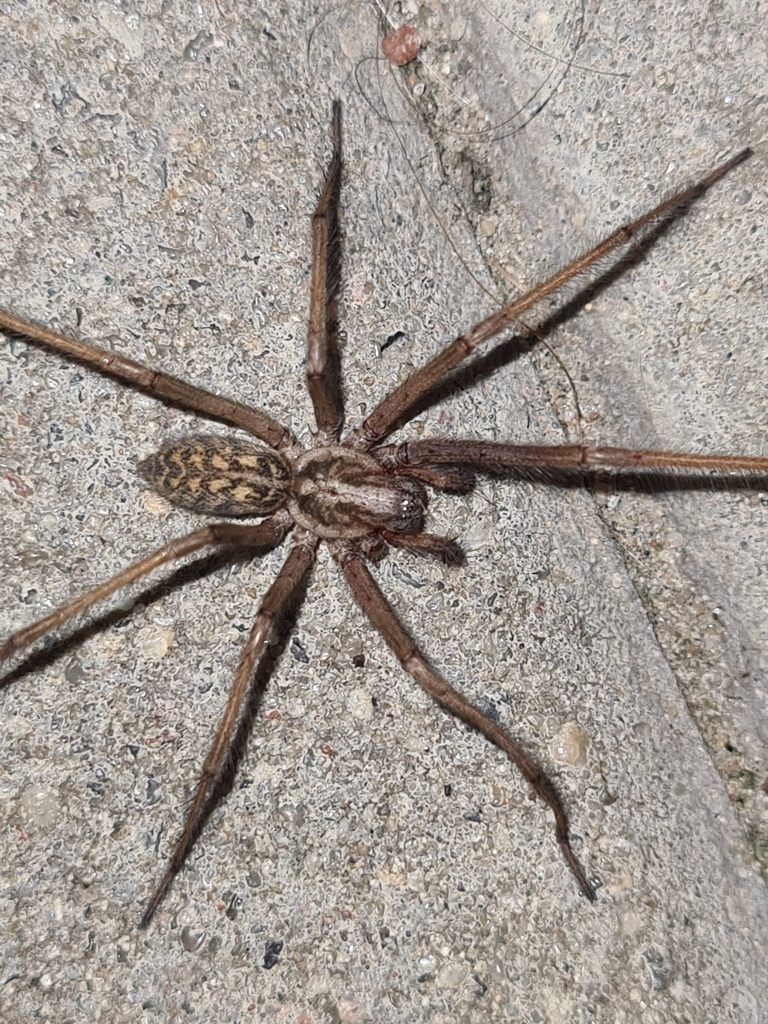
Spiders haven't grown overnight. Every September and October, mature male giant house spiders (Eratigena atrica) abandon their webs to roam the house at night searching for a mate. Their legs can span up to 7.5 cm, far longer than a female's, which is what makes autumn's spiders look suddenly huge.
Every September, the same message goes round: the spiders have gotten huge. Long-legged, fast across the floor, and suddenly everywhere, the bathtub, the skirting board, the middle of the kitchen at 2am. They haven't grown overnight, and there typically aren't more of them than there were in August either. One particular spider has simply stopped hiding, and here's exactly which one, and why.
Why do spiders seem bigger in autumn?
It's a change in behaviour, not a change in size. Spiders hatched the previous spring spend the summer feeding and growing out of sight, in sheds, garages, under decking and behind furniture, reaching full adult size by late summer. The sudden autumn "invasion" almost always traces back to one species doing one specific thing: mature male giant house spiders abandon their webs entirely each autumn and go wandering across open floor looking for a mate. A spider that spends all summer tucked inside a funnel web is far easier to miss than the same spider sprinting across a kitchen tile in full view.
The spider behind autumn's "big spider season"
The giant house spider is the largest spider commonly found inside houses across Europe, and since around 1900 it has also been established in the Pacific Northwest of North America. It builds a flat, densely woven sheet web with a funnel-shaped retreat tucked to one side, usually low down in a shed, garage, cellar or behind furniture, and waits just inside the funnel for the vibration of an insect crossing the sheet before rushing out to grab it.
Females have a body around 10 to 18.5 mm long and a leg span of roughly 4.5 cm. Males have a slightly smaller body, but their legs are disproportionately long and can span up to 7.5 cm, nearly double. That leg length, combined with a male at a full sprint across open floor, is most of what makes an autumn giant house spider look so much larger than anything seen indoors the rest of the year.
Why males leave the web every autumn
A male giant house spider builds and lives in his own web through summer like any other individual of the species. Once he matures, usually from around July onward, he does something no female ever does: he leaves his web for good and never builds another one. From July through October he wanders, mostly after dark, searching floors and walls for the silk trail leading to a female's web. Finding one, he moves in, mating takes place there, and he rarely survives long afterward. Adult females, by contrast, stay in their own web and can be found there year-round.
Why you keep finding one trapped in the bath
A wandering male that drops into a bathtub or a smooth ceramic sink almost never gets back out on his own. Giant house spiders climb using tiny claw tufts that grip rough or textured surfaces, and a glazed bath or sink offers nothing for them to catch hold of. It isn't a trap built into the plumbing, and it isn't because the spider went looking for water. It's simply the first smooth-sided obstacle a ground-level sprint happens to run into.
Are giant house spiders dangerous?
No. They are not aggressive toward people and will run from you rather than toward you. A bite is rare, happens only if one is trapped or handled, and causes symptoms comparable to a bee sting: brief local pain and some swelling, nothing more. There is no medically significant venom and no reason for concern beyond the startle of finding one.
Size alone does lead to some mix-ups. For animals where the safety question actually matters, see how the harmless huntsman spider still gets blamed for a genuinely venomous lookalike, or what actually makes a black widow bite dangerous. Spiders do plenty of less dramatic things too, including spinning some of the strongest natural material known.
How fast is a giant house spider, really?
Fast enough to earn a world record. A giant house spider was once clocked running at 0.53 metres per second, about 1.2 mph, and held the Guinness World Record for the fastest spider on Earth until 1987. The catch is endurance: that speed only lasts a second or two before the spider has to stop and recover, which is exactly the burst-then-freeze pattern you'll see if one sprints across a hallway and then suddenly stops dead.
How rare is the giant house spider in Kaught?
In the Kaught catalog the giant house spider sits at the Common tier, one diamond out of four. That isn't a comment on how dramatic the autumn sighting feels. Kaught's rarity reflects only how often a species is actually confirmed in the wild, and a spider that spends every autumn sprinting across open floors in homes across an entire continent racks up confirmed sightings fast, which is exactly what keeps it at Common.
For other eight-legged field notes, jumping spiders are the small, big-eyed, harmless end of the group, and worth telling apart from the species here, the huntsman spider and the black widow round out the spiders worth actually knowing how to identify.
Spiders in autumn: frequently asked questions
Why do spiders seem bigger in autumn?
They haven't actually grown overnight. Spiders born the previous spring finish growing over summer, but the real trigger is mating season: mature male giant house spiders abandon their webs completely each autumn and wander across open floors looking for a mate, which is exactly when people start noticing them.
What is the big spider that shows up every autumn?
In Europe and parts of North America it's almost always the giant house spider, Eratigena atrica. Females stay hidden inside their funnel webs year-round, but from around July to October mature males leave their webs entirely and roam at night searching for one.
Why do giant house spiders end up trapped in the bath?
A wandering male that drops into a smooth ceramic bath or sink can't climb back out. Its claw tufts need a rough or textured surface to grip, and glazed porcelain offers nothing to hold onto, so it's stuck until it's lifted out or finds something to climb.
Are giant house spiders dangerous?
No. They avoid people, rarely bite, and when they do the result is mild local pain and swelling similar to a bee sting. There's no medically significant venom, and the only real risk is the startle of a fast-moving spider crossing the floor.
How fast can a giant house spider run?
Up to 0.53 metres per second, a speed that once earned it the Guinness World Record for the fastest spider on Earth, a title it held until 1987. It can only hold that pace for a second or two before it has to stop and recover.
Why is the giant house spider "Common" in Kaught?
Kaught's rarity tracks how often a species is actually confirmed in the wild, not how dramatic it looks. The giant house spider is found across Europe and parts of North America and sprints across open floors every autumn, so confirmed sightings add up fast, keeping it at Common.
The next thing you see could be
your first catch.
Kaught is live on the App Store and Google Play. Free to start, and your first catch is one photo away.
Free to start · Live on the App Store and Google Play
Species data, type, rarity tier and measurements, is drawn from the Kaught catalog, built on open biodiversity records from GBIF and iNaturalist. Rarity reflects how often a species is observed in the wild, not its conservation status.